
Asphalt Mixing Plant Functions
General Facts About Asphalt Mixing Plants
Asphalt mixing plants are specialized facilities designed to produce hot asphalt, a crucial material for road and bridge construction. These plants combine raw materials like sand, fillers, bitumen, and aggregates in precise proportions to ensure high-quality asphalt suitable for various applications. This article explores the components, processes, and importance of asphalt mixing plants(planta asfalto) in construction projects.
What Are Asphalt Mixing Plants?
Asphalt mixing plants are industrial facilities that heat and mix aggregates with bitumen to create asphalt. The process involves a series of steps where materials are carefully measured and processed to achieve the desired properties. The resulting asphalt is widely used for road paving, bridge surfacing, and other infrastructure projects.
Components of an Asphalt Mixing Plant
1. Cold Aggregate Feeder Bins
Cold aggregate feeder bins store raw materials and separate them by size. These bins are equipped with feeder belts located beneath them to transfer aggregates to the drying system.
2. Conveyor System
A conveyor transports aggregates from the feeder bins to the drying system. This is a critical step to ensure the efficient movement of materials during production.
3. Drying Drum
The drying drum is equipped with a burner to remove moisture from the aggregates. Proper drying is essential to achieve the required temperature for mixing.
4. Vibrating Screens
Vibrating screens separate aggregates by size. The process ensures uniformity and enhances the final product's quality.
5. Hot Bins
Hot bins store dried and sorted aggregates temporarily before they are weighed and mixed. These bins are positioned beneath the screening unit and play a vital role in maintaining material flow.
How Asphalt Mixing Plants Work
Step 1: Aggregate Preparation
Aggregates are fed into the cold aggregate bins, sorted by size, and transported to the drying drum via a conveyor.
Step 2: Drying and Heating
Inside the drying drum, aggregates are heated to remove moisture. The burner ensures the materials reach the optimal temperature for mixing.
Step 3: Screening and Storage
Once dried, aggregates pass through a vibrating screen and are separated into different sizes. They are then stored in hot bins, ready for the mixing process.
Step 4: Mixing Process
- Weighing Materials: Aggregates, bitumen, and fillers are weighed according to the desired mix ratio.
- Blending: The weighed materials are combined in the mixing unit to create the asphalt.
Step 5: Final Output
The finished asphalt mix is either stored in silos or loaded directly onto trucks for delivery to construction sites.
Environmental Considerations
Pollution Control Measures
Modern asphalt mixing plants(planta de asfalto precio) are equipped with pollution control devices, such as filter bag units. These systems:
- Trap dust and fines during production.
- Collect and reintroduce the fines into the aggregates for sustainability.
Compliance with Standards
Plants must adhere to environmental regulations to minimize emissions. This ensures the production process is eco-friendly and suitable for use in urban and rural areas.
Importance in Road and Bridge Construction
Ensuring Quality and Efficiency
Owning an asphalt plant allows construction companies to produce asphalt with consistent quality, essential for durable roads and bridges. The precise control over mix specifications enables contractors to meet the specific demands of different infrastructure projects.
Cost-Effectiveness
Investing in an asphalt plant reduces reliance on third-party suppliers, cutting down costs associated with purchasing and transporting asphalt. This is especially beneficial for large-scale projects like highways and bridge networks.
Meeting High Demand
For projects requiring substantial volumes of asphalt, such as highway expansions or urban road refurbishments, an asphalt mixing plant ensures timely delivery and continuous supply.
Final Thoughts
Asphalt mixing plants are indispensable for the construction industry, especially in road and bridge projects. They provide:
- Control over the quality and specifications of asphalt.
- Cost savings through in-house production.
- A reliable supply for large-scale infrastructure developments.
When considering purchasing an asphalt plant, it’s crucial to partner with a reputable supplier. The right equipment can streamline operations, enhance productivity, and improve profitability in the long term. By investing in an asphalt mixing plant, construction companies can position themselves for growth and success in the competitive infrastructure sector.
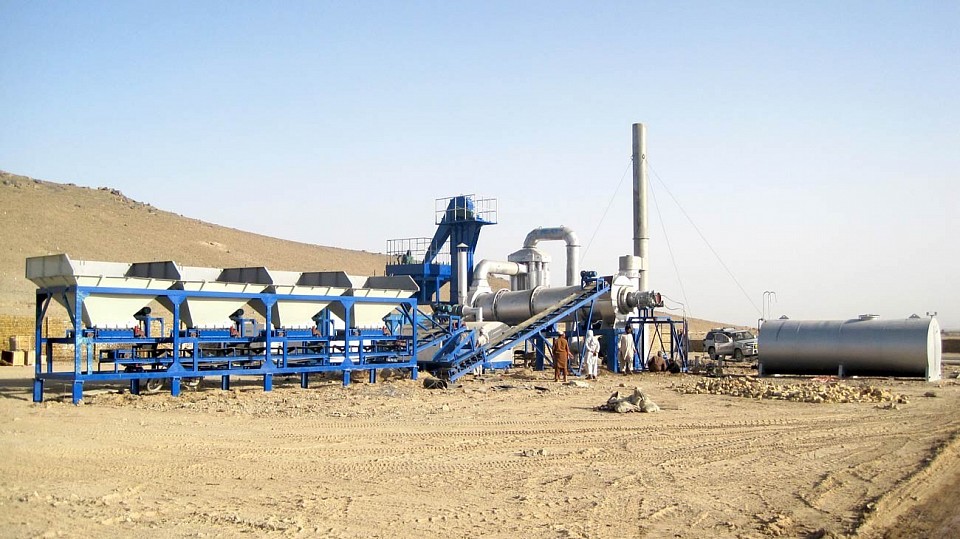
Top Mobile Asphalt Mixing Plant Features to Take into Account
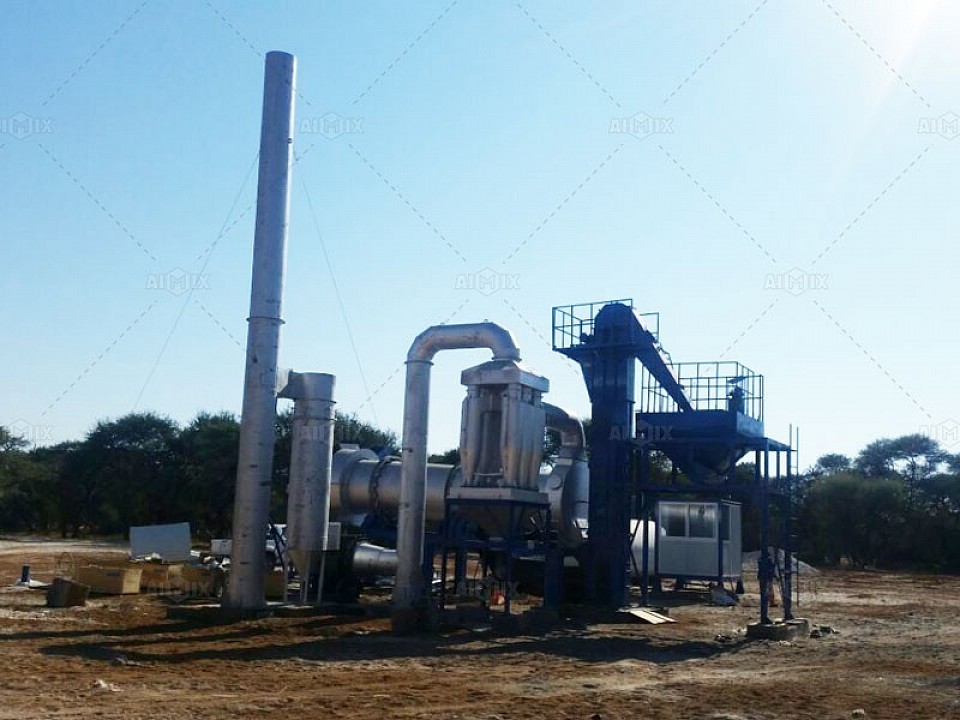
The asphalt mixing plant is a cornerstone of the road construction industry. Whether your company focuses on new road projects or repairs, having a reliable asphalt production solution is essential. For companies with diverse needs, mobile asphalt mixing plants offer flexibility, efficiency, and a way to handle multiple jobs with ease. Below, we explore the key features and considerations for choosing the right mobile asphalt mixing plant to maximize productivity in your road and bridge construction projects.
What Is a Mobile Asphalt Mixing Plant?
A mobile asphalt mixing plant(planta asfáltica móvil) is a compact, transportable unit that produces asphalt on-site. Unlike stationary plants, mobile units can be moved to different locations, making them ideal for projects requiring frequent relocation. Their portability and efficiency make them a must-have for companies handling multiple road construction and repair projects.
Key Functions of Mobile Asphalt Mixing Plants
Mobile asphalt mixing plants are used to produce asphalt for:
- New road construction: Large-scale projects that require continuous asphalt production.
- Road repairs: Quick and efficient solutions for patching and resurfacing damaged roads.
These plants ensure a steady supply of asphalt, reducing the need for transportation from off-site facilities, which can lead to cost savings and faster project completion.
Essential Features of Mobile Asphalt Mixing Plants
High Production Efficiency
Modern mobile asphalt plants are equipped with advanced mixing drums and systems that allow for the rapid production of asphalt. The speed at which they mix materials directly impacts how quickly projects can progress.
- Capacity considerations: Choose a plant(planta de asfalto) with the right output capacity to match your project size. For larger projects, higher capacity units are preferable.
- Consistency in mixing: Look for features that ensure uniform mixing to produce high-quality asphalt.
Mobility and Flexibility
Mobility is the defining feature of these plants. They can be easily transported to job sites, reducing logistical challenges.
- Compact design: Mobile units are designed for quick setup and breakdown, saving time during transitions between projects.
- Versatility: Suitable for a variety of projects, from small-scale repairs to large-scale road construction.
Advanced Features
Many mobile asphalt mixing plants come with additional features that enhance their efficiency and usability.
- Cold aggregate supplying system: Ensures a steady flow of raw materials.
- Drying and heating system: Prepares materials for optimal mixing conditions.
- Dust removal system: Maintains environmental compliance by reducing emissions.
- Mixing tower and vibrating screen system: Ensure precise aggregate separation and thorough mixing.
- Hot aggregate lifting system: Facilitates the efficient transfer of materials during production.
Benefits of Mobile Asphalt Mixing Plants in Road and Bridge Construction
Cost Efficiency
By producing asphalt directly on the job site, mobile plants eliminate transportation costs and minimize material waste. Additionally, they reduce downtime, allowing projects to be completed on schedule.
On-Site Customization
Different projects may require variations in asphalt composition. Mobile plants allow you to adjust the mix on-site, ensuring that the asphalt meets project-specific requirements.
Scalability
Mobile asphalt mixing plants support scalability, enabling companies to handle projects of various sizes and complexities. Whether it's a local road repair or a large-scale highway project, these units provide the necessary flexibility.
How to Choose the Best Mobile Asphalt Mixing Plant
Evaluate Your Needs
Consider the following when selecting a mobile asphalt mixing plant:
- Project scope: The size and type of projects you typically handle.
- Output requirements: Ensure the plant's capacity aligns with your production needs.
- Site conditions: Assess the ease of transport and setup for different terrains.
Compare Features and Costs
Obtain estimates from manufacturers and compare the features of various models. While cost is an important factor, prioritize quality, durability, and advanced features to maximize your investment's value.
Manufacturer Support
Select a manufacturer known for excellent customer support, including pre-sales consultations, training, and after-sales service. Reliable support can ensure smooth operations and reduce downtime.
Conclusion
Investing in a mobile asphalt mixing plant is a strategic move for companies involved in road and bridge construction. These plants offer unparalleled flexibility, efficiency, and cost-effectiveness, enabling you to expand your business operations and handle diverse projects. By carefully evaluating features, production capacity, and your specific needs, you can select the ideal plant to drive your business growth and meet the demands of the industry.
How to Operate a Mobile Asphalt Plant Safely and Efficiently
Operating a mobile asphalt plant requires both safety and efficiency to ensure smooth production and high-quality asphalt mix. Proper operation not only protects workers but also reduces costs and downtime, which are critical for maintaining productivity. This guide outlines best practices for operating a mobile asphalt plant, covering safety measures, efficiency tips, and operational steps to help you achieve optimal performance on-site.
Importance of Safe and Efficient Asphalt Plant Operation
A mobile asphalt plant is an investment that allows for on-site asphalt production, providing flexibility and reducing the need for material transport. However, managing this equipment requires adherence to safety protocols and efficient operation to prevent hazards and maximize output. Following a structured operational plan will ensure that your plant(planta asfaltica movil) remains productive and safe.
Essential Safety Measures for Mobile Asphalt Plant Operation
Operating an asphalt plant involves certain risks due to high temperatures, heavy machinery, and potentially hazardous materials. Implementing safety precautions is crucial for protecting your team and equipment.
1. Conduct Regular Safety Training
Ensuring that all personnel understand the safety procedures and equipment functionality is essential for a safe work environment.
- Training Programs: Provide ongoing training on safety protocols, emergency response, and the proper handling of hot asphalt. Make sure all workers are familiar with operating procedures and emergency exits.
- PPE (Personal Protective Equipment): Equip workers with appropriate protective gear, including hard hats, gloves, goggles, ear protection, and heat-resistant clothing to minimize the risk of injury.
2. Maintain Clear Communication
Clear communication is necessary to prevent accidents and ensure everyone knows their responsibilities.
- Establish Communication Protocols: Use radios or hand signals for clear communication between operators and other workers, especially when equipment is in motion or during material loading and unloading.
- Designate a Safety Supervisor: Assign a dedicated safety supervisor to oversee operations, enforce protocols, and handle any potential safety issues that arise.
3. Monitor for Hazards
Potential hazards, such as hot surfaces, moving parts, and dust, can lead to serious injuries if not properly managed.
- Identify Risk Zones: Clearly mark areas around the plant(fabricas de asfalto) where workers should exercise caution, such as near the drum dryer, mixer, or conveyor systems.
- Regular Inspections: Conduct frequent safety checks on the machinery, fuel systems, and dust collection components to detect issues early and prevent potential accidents.
Steps for Efficient Operation of a Mobile Asphalt Plant
Efficiency in operating a mobile asphalt plant not only reduces production costs but also ensures the quality of the asphalt produced. Following the correct operational procedures and optimizing each step can lead to significant improvements in productivity.
1. Prepare the Site and Position the Plant Correctly
Choosing the right location and positioning the plant properly are fundamental for efficient operation.
- Site Preparation: Ensure the site is level, stable, and has adequate space for all necessary components. Proximity to the worksite is beneficial to reduce transport time.
- Optimize Material Flow: Position the aggregate feeders, fuel tanks, and conveyor belts in a way that minimizes the distance for material transport, which saves time and energy.
2. Calibrate and Test Equipment Before Starting Production
Calibration is crucial for maintaining quality and consistency in the asphalt mix.
- Check Aggregate Ratios: Set the feeders to provide the correct aggregate ratios according to the mix design. Accurate proportions contribute to the quality of the final product.
- Temperature Settings: Adjust the burner temperature in the drying drum to ensure proper drying and mixing. Properly dried aggregates improve the adhesion and durability of the asphalt mix.
- Run a Test Batch: Conduct a trial run to check the equipment’s performance and identify any adjustments needed in settings or material proportions.
3. Optimize the Mixing Process
The mixing process is central to producing a high-quality asphalt mix. Efficient mixing helps save fuel and improves batch consistency.
- Set Mixing Time: Adjust the mixing time according to the batch size and material type. Over-mixing can waste energy, while under-mixing may lead to poor asphalt quality.
- Monitor Material Levels: Keep an eye on aggregate and bitumen levels to ensure they are replenished as needed without causing delays in production.
- Control Dust and Emissions: Use dust collection systems to manage emissions and prevent dust buildup, which can negatively affect both plant efficiency and air quality.
Maintenance Tips for Continuous and Reliable Operation
Routine maintenance is essential to keeping your mobile asphalt plant running efficiently and avoiding unexpected breakdowns.
1. Implement a Maintenance Schedule
Regular maintenance checks prevent mechanical failures and ensure that the equipment performs at its best.
- Daily Checks: Inspect belts, drums, and mixer components for wear and tear. Clean any dust and debris that could affect performance.
- Weekly Inspections: Conduct a more detailed inspection, checking fluid levels, calibrations, and sensor functionality.
- Monthly Service: Schedule comprehensive maintenance to lubricate moving parts, clean filters, and replace any worn components as needed.
2. Keep Spare Parts on Hand
Stocking essential spare parts minimizes downtime in case of equipment failure.
- Identify Essential Parts: Keep a stock of frequently used components such as belts, filters, and lubricants.
- Establish Supplier Contacts: Maintain good relationships with suppliers for quick access to replacement parts and technical support.
3. Monitor Fuel Efficiency
Fuel is a significant cost in asphalt production, so monitoring fuel consumption can lead to considerable savings.
- Adjust Burner Settings: Ensure the burner operates at optimal efficiency to reduce fuel usage.
- Minimize Idle Time: Avoid leaving the plant running when not in use, as this leads to unnecessary fuel consumption and equipment wear.
Conclusion
Operating a mobile asphalt plant safely and efficiently requires a combination of safety protocols, proper setup, and maintenance practices. By ensuring the safety of personnel, calibrating the equipment accurately, and following a well-structured operational plan, you can maximize productivity and reduce operational costs. Regular training, monitoring for hazards, and preventive maintenance will help extend the plant’s life and maintain the quality of the asphalt mix, ensuring success in your construction projects.
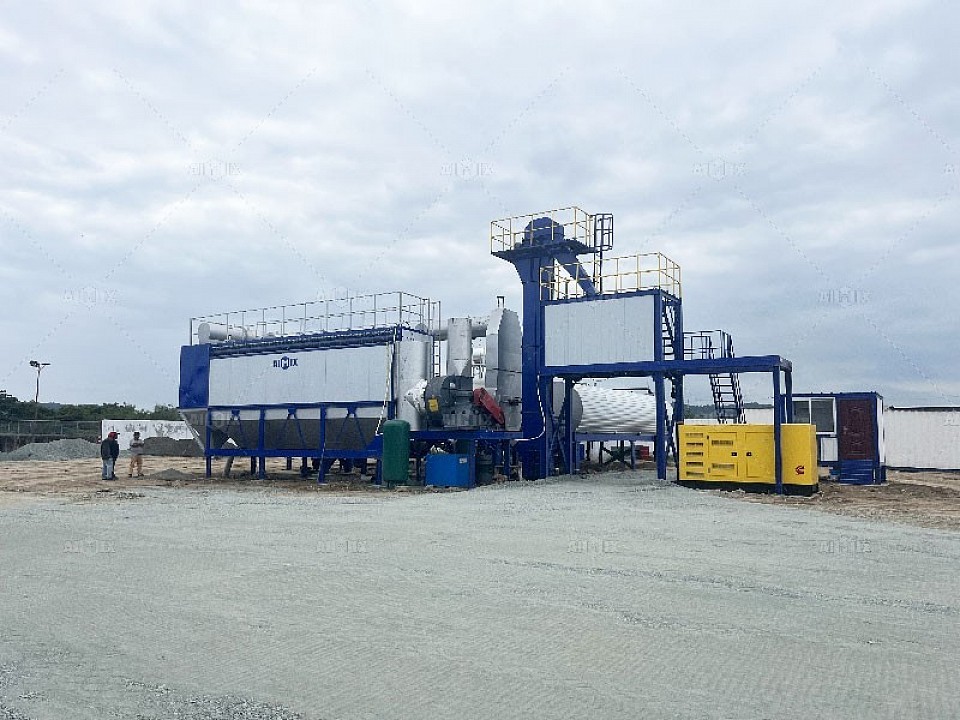
How to Evaluate the Price of a Mobile Asphalt Plant
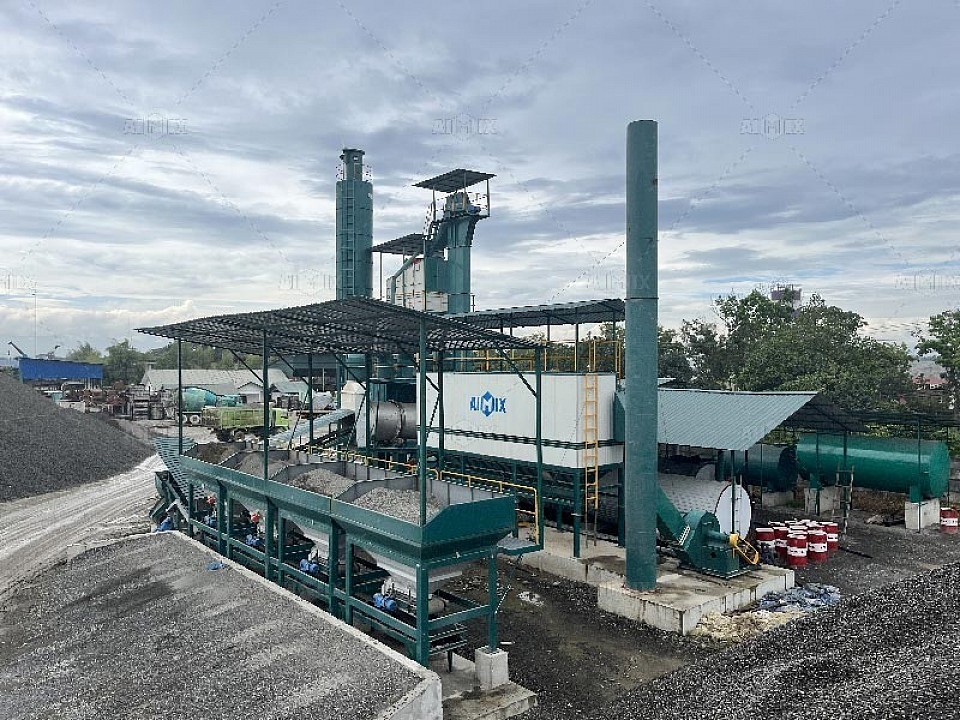
When purchasing a mobile asphalt plant, finding the right price is essential, but it’s also crucial to consider the quality and efficiency of the equipment. A well-chosen plant can improve the productivity and profitability of road and bridge construction projects. Here’s a comprehensive guide to help you evaluate mobile asphalt plant prices and make the best choice for your business needs.
Define Your Requirements and Specifications
Assess Project Needs and Capacity Requirements
Before exploring prices, define the specifications of the mobile asphalt plant(especificaciones de la planta móvil de asfalto) that aligns with your project needs. Buying a plant with more capacity than necessary can significantly raise costs without adding value. For example:
- Small-scale projects might only need a mobile asphalt plant with an 80 TPH (Tons Per Hour) capacity, costing approximately $200,000.
- Larger projects may require a 160 TPH plant, often priced at $300,000 or more.
Knowing the necessary capacity allows you to avoid overspending on equipment you don’t need and helps you better budget for road and bridge construction projects.
Key Technical Specifications
Identify the specific technical features needed, such as:
- Total Power and Production Capacity: Consider your typical project size.
- Mixer Capacity and Fuel Consumption: Ensure that the mixer size and energy use are efficient and economical for your projects.
- Trailing Speed and Trailer Quantities: Evaluate the equipment’s mobility and transport logistics.
- Optional Features: Decide if you need add-ons, such as mobile bitumen tanks or mobile filler storage, which can enhance plant versatility and impact price.
Evaluate Operational Efficiency and Cost Factors
Compare Fuel Consumption and Weighing Precision
A plant’s fuel efficiency and weighing precision are crucial, as they affect operational costs and asphalt quality. To optimize expenses in road and bridge construction:
- Fuel Consumption: Ensure it aligns with your budget, especially if projects are in remote locations.
- Weighing Accuracy: Accurate material measurement ensures quality output and reduces waste, which can save on costs long-term.
Finished Product Quality and Temperature Control
To maintain high-quality asphalt for structural longevity, select a plant(planta continua de asfalto) that allows precise control over the final product’s temperature. Some projects may demand specific temperature consistency to enhance asphalt stability, which impacts both road and bridge resilience and overall project durability.
Find Reliable Suppliers
Look for Direct Manufacturers for Better Pricing and Support
Purchasing from a direct manufacturer rather than a distributor often leads to better prices, reliable customer service, and streamlined maintenance. Direct manufacturers are also likely to provide faster response times for spare parts and support, which minimizes downtime on construction sites.
Explore Global Trading Platforms for More Options
Global trading sites like Alibaba are excellent resources for sourcing asphalt plants at competitive prices, especially from manufacturers in countries like China, where prices may be more affordable. When using such platforms:
- Compare Customer Ratings: Assess reliability and equipment quality based on verified buyer reviews.
- Examine Shipping and Warranty Options: Confirm the supplier provides warranty options and transparent shipping terms to avoid hidden costs.
Assess Customer Support and Maintenance Services
Purchasing asphalt plants from suppliers with dependable after-sales service can be invaluable, especially for long-term projects. Ask about customer support availability and maintenance policies to ensure smooth operation and minimal downtime. Access to technical assistance ensures prompt troubleshooting and repairs, crucial for projects with tight schedules.
Compare Offers for the Best Value
Gather Multiple Quotes for Price Comparison
Obtaining at least three quotes from different suppliers helps you understand the pricing landscape and avoid paying above market rates. Analyze:
- Price and Production Capacity: Check if prices correlate with the plant’s productivity and output level.
- Included Features: Ensure each quote clearly specifies which add-ons or support options are included, like fuel efficiency enhancements or dust control systems.
Consider Financing Options and Warranty Coverage
Some manufacturers offer financing plans that can help with budgeting. When comparing prices, consider whether the plant’s warranty covers critical components, such as the mixer and dryer drum. Comprehensive warranties protect your investment and reduce future repair expenses.
Additional Considerations for Road and Bridge Construction
Environmental Compliance and Dust Control
For road and bridge construction projects in sensitive areas, ensuring environmental compliance is essential. Evaluate the plant’s dust control capabilities, as dust-collecting systems can impact both regulatory compliance and worker safety. Choose between options like:
- Bag-Type Dust Collectors: Ideal for projects requiring high dust filtration.
- Water Dust Collectors: Suitable for humid environments or projects near water sources.
Mobility and Accessibility for Remote Projects
In many road construction projects, accessibility is critical, especially for remote or rural locations. Mobile plants should allow easy transportation and setup to maximize project efficiency. Assessing the speed of setup, relocation capabilities, and trailer functionality can help ensure that the plant supports quick mobilization and minimal downtime between sites.
Conclusion: Achieving the Right Balance of Cost and Quality
Selecting the right mobile asphalt plant requires balancing cost with functionality, efficiency, and quality. By carefully defining project requirements, evaluating supplier options, and comparing multiple offers, you can find a mobile asphalt plant that provides optimal value for your investment. This approach will help ensure your equipment is well-suited to support your projects, from rural road construction to large-scale bridge installations, while maintaining budget control and enhancing overall productivity.
Summary of the Constituents of a Mobile Asphalt Batch Plant
When operating within industries like road and bridge construction, the equipment you use plays a critical role in ensuring efficiency and meeting project demands. One of the essential tools in the asphalt industry is the mobile asphalt batch plant, which offers both flexibility and performance. Mobile asphalt plants are designed to be easily transported and set up on different job sites, making them highly valuable for contractors working on multiple or remote projects. This article explores the key components of a mobile asphalt batching plant and provides insights into how to assess these components for optimal use.
Key Components of a Mobile Asphalt Batching Plant
Every mobile asphalt batch plant(AIMIX planta de asfalto portátil) is built with several essential components, each playing a vital role in the production process. Understanding these elements helps in evaluating the efficiency and suitability of the equipment for various construction projects.
1. Dryer Drum
The dryer drum is a critical component in the asphalt production process, where the aggregates (sand, gravel, or crushed stone) are heated and dried. The drying phase ensures the removal of moisture from the materials, which is essential for a consistent asphalt mix. In mobile plants, this drum is compact yet efficient, designed to work seamlessly on various job sites. For road construction, having a reliable dryer drum ensures the right asphalt consistency to meet industry standards.
2. Mixing Tower
The mixing tower is where the heated aggregates are combined with bitumen to create asphalt. In mobile units, this tower is generally smaller than the one found in stationary asphalt plants but remains highly efficient. The mixing tower’s design allows for quick assembly and disassembly, which is vital for road and bridge projects that require rapid mobilization between different locations.
3. Sack Channel
The sack channel filters the air during the production process, ensuring that dust and fine particles are collected, preventing them from entering the atmosphere. This component is crucial in mobile units to ensure that the plant(planta de asfalto en venta) complies with environmental regulations, which are particularly stringent in construction projects, especially those near urban or environmentally sensitive areas.
4. Control System
Modern mobile asphalt batch plants come equipped with automated control systems that allow operators to monitor and adjust the production process. This system ensures that the mixture maintains the correct temperature and consistency, which is essential when working on time-sensitive projects such as bridge deck paving or road resurfacing.
How to Assess Mobile Asphalt Plants by Their Components
Assessing mobile asphalt plants involves evaluating how well their components perform and determining whether they meet the specific needs of your construction projects.
1. Production Capacity
When selecting a mobile plant, one of the most critical factors is its production capacity. You need to ensure that the plant can produce enough asphalt for the scale of your projects. For instance, if you're involved in large-scale road construction or bridge work, choosing a plant with a higher output is essential. Evaluate how much asphalt the dryer drum and mixing tower can handle within a given time frame.
2. Portability and Setup Time
Since the primary advantage of a mobile asphalt plant is its portability, you should consider how quickly the unit can be transported and set up. The ease of assembly and disassembly is key, particularly when moving between job sites. A plant that takes too long to set up could hinder project timelines, especially in fast-paced industries like highway construction.
3. Durability and Maintenance
While it's essential to look for an affordable option, the durability of the components should not be overlooked. Mobile plants may be exposed to rough handling during transport, so robust construction materials are necessary to ensure longevity. Regular maintenance of parts like the dryer drum, mixing tower, and sack channel is also critical to avoid unexpected breakdowns that could delay road or bridge projects.
Finding the Best Mobile Asphalt Plants for Your Business
When searching for a mobile asphalt batch plant, it's essential to consider both quality and price. Many manufacturers offer competitive pricing, but not all of them meet the standards required for road and bridge construction projects.
1. Reputation of the Manufacturer
Always investigate the reputation of the manufacturer before making a purchase. Ensure the company has a proven track record in the production of high-quality asphalt batching plants. Reliable companies often provide better warranties and after-sales services, which are crucial when managing large infrastructure projects.
2. Comparing Prices and Features
Once you have identified a few reputable manufacturers, request detailed quotes and compare prices and features. Ensure that you are not only focusing on the cost but also on the equipment's functionality and ability to meet the demands of various construction projects.
3. Consider Long-term Costs
While it might be tempting to opt for the cheapest plant, consider the long-term costs associated with maintenance, operation, and possible downtime. Investing in a quality mobile asphalt plant may cost more initially, but it will likely save money over time due to fewer repairs and more consistent production.
Conclusion
Investing in a mobile asphalt batching plant can significantly improve your operational capabilities in the road and bridge construction sectors. By understanding the key components of these plants—such as the dryer drum, mixing tower, sack channel, and control system—you can make an informed decision when choosing the best unit for your needs. Carefully assessing production capacity, portability, and durability will help ensure you select the right plant for efficient asphalt production, ultimately allowing you to take on more jobs and expand your business.
Step-by-Step Process: How Asphalt Plants Produce Quality Pavement Material
Asphalt is an essential material in road construction, ensuring durability and a smooth driving experience. But how exactly is this crucial material made? Asphalt plants play a vital role in producing high-quality asphalt mix for paving roads, highways, and other infrastructure projects. In this article, we will walk through the step-by-step process of how an asphalt plant produces top-quality pavement material.
What Is an Asphalt Plant?
An asphalt plant is a facility designed to manufacture asphalt by combining aggregate materials, bitumen, and other additives at high temperatures. These plants come in different types, including batch and drum mix plants, but the basic process remains the same: turning raw materials into a consistent, durable asphalt mix. And you can click this link for more information about asphalt plans: https://aimixgrupo.com/planta-de-asfalto/
Step 1: Feeding the Aggregates
Cold Feed Bins
The process begins with the raw materials, specifically aggregates, which include sand, gravel, crushed stone, and other minerals. These materials are stored in cold feed bins, where they are separated based on their size and type. Each bin contains a different type of aggregate, ensuring the proper balance in the final asphalt mix.
Conveyor System
Once the aggregates are loaded into the cold feed bins, they are transferred via conveyor belts to the drying section of the plant. This step is crucial for ensuring the right proportions of each aggregate type are used.
Step 2: Drying and Heating the Aggregates
Drying Drum
The next step in the asphalt production process involves drying the aggregates. The materials are sent to a large rotating drum, known as the drying drum, where they are heated to remove any moisture. Moisture in the aggregates can affect the quality of the final asphalt mix, so this step ensures that the materials are completely dry before further processing.
Burner
To heat the aggregates, the drying drum is equipped with a burner, which typically runs on gas, oil, or coal. The burner provides the high temperatures needed to ensure that the aggregates are dried efficiently. The temperature in the drum can reach up to 160°C (320°F), ensuring the materials are ready for the mixing process.
Step 3: Screening the Aggregates
Screening System
After drying, the aggregates pass through a screening system, where they are separated based on size. This ensures that only the correct sizes of aggregates move forward in the process. The screening system plays a crucial role in ensuring the uniformity of the final asphalt mix. Fine aggregates and larger materials are both used, depending on the specifications of the project.
Step 4: Mixing with Bitumen
Mixing Tower or Drum
Once the aggregates are dry and sorted, they are moved into the mixing section of the plant(planta asfáltica). In a batch mix asphalt plant, the materials are transferred to a mixing tower, where they are combined with bitumen in specific proportions. In a drum mix asphalt plant, the mixing happens continuously within the same drum where the drying took place.
Bitumen Addition
Bitumen, a sticky, black petroleum byproduct, is the binding agent used to hold the aggregates together. It is heated separately to ensure it is at the right temperature for mixing. Once the bitumen reaches the desired temperature, it is added to the heated aggregates. The amount of bitumen used is crucial to ensure the asphalt’s strength, flexibility, and durability.
Additional Additives
In some cases, additives like polymers or anti-stripping agents are introduced during this stage to enhance the properties of the asphalt mix. These additives can improve the mix’s resistance to weathering, enhance its flexibility, or reduce the likelihood of cracking.
Step 5: Storage and Transport
Asphalt Silos
After mixing, the finished asphalt mix is stored in heated asphalt silos. These silos are designed to keep the asphalt at the appropriate temperature until it is ready to be loaded onto trucks. The temperature must be maintained to prevent the asphalt from hardening prematurely.
Loading Trucks
Once the asphalt is ready for delivery, it is loaded into trucks specially designed to transport hot asphalt. The trucks are equipped with insulated beds that help maintain the temperature during transport to the construction site.
Step 6: Quality Control and Testing
Sampling and Testing
Before the asphalt is delivered to the construction site, samples are taken from the final mix for quality testing. Asphalt plants have rigorous quality control procedures in place to ensure that the asphalt meets the required specifications. Tests are performed to check the asphalt’s temperature, bitumen content, and overall consistency.
Adjustments
If any issues are found during testing, adjustments can be made to the production process. This ensures that the asphalt plant consistently produces high-quality material that will stand up to the demands of modern road construction.
Conclusion
The process of producing quality pavement material at an asphalt plant involves several critical steps, from feeding and drying the aggregates to mixing them with bitumen and additives. Proper temperature control, material proportioning, and testing are essential to ensuring that the final asphalt mix is durable, flexible, and capable of withstanding heavy traffic and weather conditions. Understanding the step-by-step process helps highlight the complexity and precision involved in asphalt production, ensuring roads and highways are built to last.
Principios Básicos que Debes Conocer Sobre Plantas de Asfalto Móviles
¿Tienes una planta de asfalto que utilizas para tu empresa? Tal vez deberías considerar invertir en una planta de asfalto móvil. Comprender los fundamentos de cómo funcionan y por qué deberías adquirir una es crucial. En general, estas plantas ofrecen más opciones y flexibilidad. Por ejemplo, si trabajas con clientes que no están en tu área inmediata, puedes simplemente enganchar la planta a tu camión y llevarla a la ubicación del proyecto. Esto te permitirá ahorrar mucho dinero al no tener que transportar asfalto a lugares remotos. Además, pueden usarse como respaldo cuando tu planta principal de asfalto no puede producir lo necesario. A continuación, te presentamos los conceptos básicos que debes conocer sobre las plantas de asfalto móviles y cómo adquirirlas a un precio razonable.
¿Cómo Funcionan las Plantas de Asfalto Móviles?
Funcionamiento y Beneficios
Las plantas de asfalto móviles te ofrecen una variedad de opciones. Como se mencionó antes, te permiten aceptar trabajos que no están en tu área local, permitiéndote viajar grandes distancias para proporcionar asfalto a los clientes. Esto puede ser para un propietario de una vivienda unifamiliar o para una empresa en otra ciudad o pueblo. Funcionan de manera similar a las plantas de asfalto tradicionales, pero a una escala mucho menor. Simplemente agregas los diferentes componentes como betún, agregados y otros materiales, y estarás listo para preparar el asfalto y comenzar a verterlo.
Componentes y Energía
Estas plantas de asfalto en venta suelen utilizar motores eléctricos que pueden funcionar con la energía del camión, proporcionando energía a cada unidad. También pueden usar combustible diésel, dependiendo de cómo estén construidas, lo que te ofrece diversas opciones según tus necesidades. Este tipo de planta es ideal para proyectos de construcción de carreteras y puentes, especialmente en zonas donde la construcción de una planta estacionaria sería inviable o demasiado costosa. Su capacidad de movilización les permite acceder a proyectos en áreas rurales o en obras de infraestructura donde la rapidez y la adaptabilidad son esenciales.
Cómo Encontrar Empresas que las Vendan a un Precio Asequible
Búsqueda y Evaluación de Proveedores
Encontrar empresas que vendan estas plantas a un precio accesible es relativamente fácil. De hecho, este es un mercado muy competitivo. Si nunca has comprado una antes, te sorprenderá saber que son una fracción del costo de una planta de asfalto normal debido a su tamaño compacto. Al solicitar cotizaciones de los diferentes modelos que encuentres en línea, deberías recibir varias ofertas de diferentes empresas que pueden satisfacer tus necesidades. Generalmente, encontrarás una opción prometedora en cuestión de minutos. Si la empresa tiene una buena reputación en el mercado, puedes sentirte confiado en tu compra, incluso con el precio reducido.
Ventajas Competitivas en la Industria de la Construcción
Una vez que decidas comprar una planta de asfalto móvil, podrás recibirla en un par de semanas. Estas plantas vienen listas para usarse, y una vez que comprendas cómo cargar los componentes y producir asfalto, podrás comenzar a aceptar más trabajos. En el contexto de la construcción de carreteras y puentes, esta capacidad de movilización no solo aumenta la eficiencia operativa, sino que también permite una respuesta rápida a proyectos urgentes. Además, es probable que descubras que necesitas más plantas para manejar el creciente número de clientes que solicitan tus servicios. En esencia, estas plantas te proporcionan una fuente adicional de ingresos al permitirte realizar trabajos remotos de tamaño pequeño a mediano de manera regular.
Conclusión
Las plantas de asfalto móviles son una inversión estratégica para cualquier empresa involucrada en la construcción de carreteras y puentes. Ofrecen flexibilidad, eficiencia y la capacidad de abordar proyectos en áreas donde las plantas estacionarias no serían prácticas. Al seguir los principios básicos y considerar cuidadosamente tus necesidades y las opciones disponibles en el mercado, estarás mejor preparado para tomar una decisión informada y expandir tus capacidades operativas.
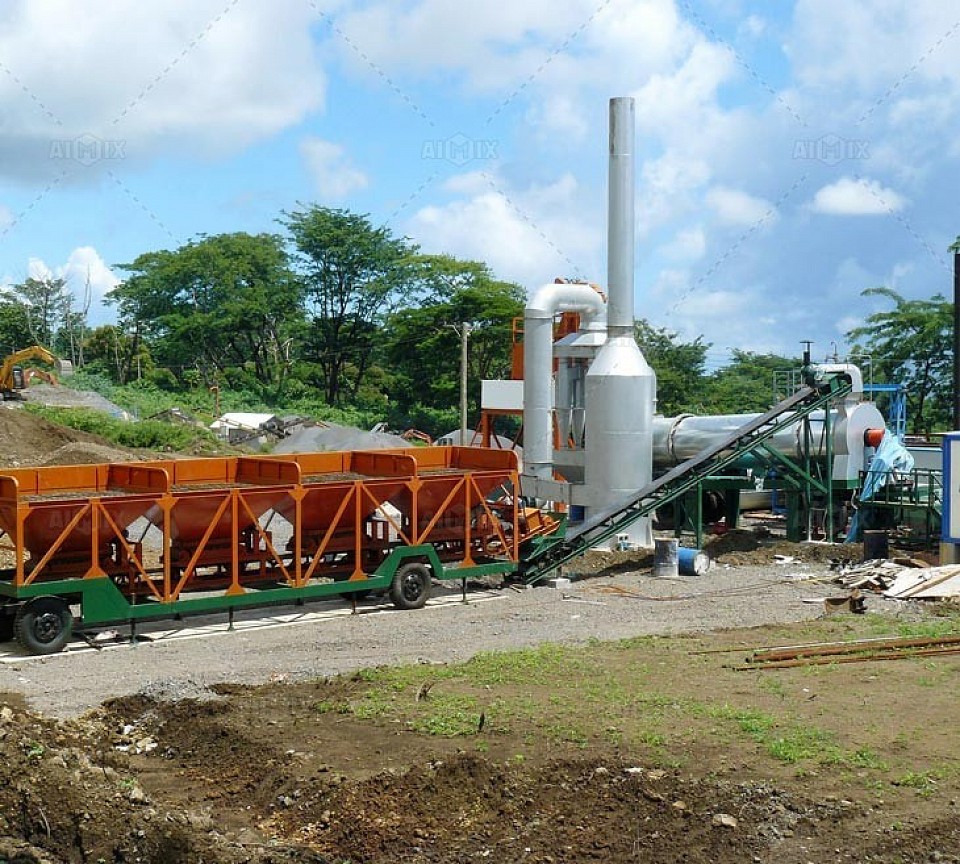
Por Qué Tu Empresa Necesita una Planta de Asfalto Móvil
Las plantas de asfalto móviles se han convertido en herramientas esenciales en proyectos de construcción de carreteras y pavimentación de superficies de mediana y pequeña escala. La portabilidad de estas máquinas ha contribuido a mejorar la eficiencia en la industria de la construcción. Hoy en día, los contratistas de carreteras pueden producir asfalto en caliente de alta calidad en el lugar y momento que se necesite. Esto ha eliminado los desafíos asociados con la obtención de concreto de un proveedor o de una planta fija ubicada lejos del sitio de construcción.
Dado su carácter portátil, es posible trasladar la planta con la frecuencia que se necesite con un esfuerzo y costo mínimos. Sin embargo, es fundamental recordar que, a pesar de los beneficios de una planta móvil de asfalto, se trata de una inversión financiera considerable, por lo que es importante realizar una investigación adecuada antes de invertir tu dinero en una de estas máquinas.
Beneficios de Comprar una Planta de Asfalto Móvil de Calidad
i) Transporte Fácil
La planta de asfalto móvil está diseñada con la facilidad de transporte en mente. Es más compacta y viene equipada con una plataforma portátil, lo que facilita su traslado de un lugar a otro. Puede ser arrastrada fácilmente por un camión, minimizando los costos de combustible. Si necesitas cambiar frecuentemente el sitio de construcción, este es el equipo adecuado para ti.
ii) Instalación Rápida
A diferencia de las plantas de asfalto en venta fijas, la versión móvil no requiere la construcción de una base de concreto sólida. Puede ser instalada fácilmente en el lugar designado y el trabajo puede comenzar en poco tiempo. Además, no necesitas maquinaria pesada para el movimiento, lo que puede reducir los costos generales de tu proyecto.
iii) Control del Proceso de Producción
Una planta de asfalto móvil te permite tener tu propia planta de mezcla de asfalto en el sitio de construcción. Esto te permite producir asfalto en caliente según tus propias especificaciones. Si obtienes el asfalto de un proveedor o de una planta fija ubicada lejos del sitio de construcción, solo tendrás que lidiar con lo que recibes, lo que podría afectar tu reputación.
iv) Facilidad de Uso
En comparación con las plantas fijas, la versión móvil es más fácil de usar. Los trabajadores solo necesitan una formación básica para familiarizarse con su funcionamiento. Además, dado que su funcionalidad se utiliza en una escala menor, es mucho más sencilla de manejar.
v) Mínimos Retrasos y Pérdida de Tiempo
Tener la capacidad de producir asfalto en caliente donde y cuando se necesita es invaluable para los contratistas, y esto es lo que ofrece la planta de asfalto móvil. Con esta planta, tendrás un suministro continuo y fiable de asfalto. No tendrás que preocuparte por retrasos debido al tráfico o largos tiempos de espera en la planta del proveedor. Al garantizar mínimos retrasos, tu proyecto puede continuar sin interrupciones y terminar dentro del plazo establecido.
vi) Requisitos de Mantenimiento Bajos
Las plantas de asfalto móviles están fabricadas con materiales industriales de alta calidad. Son capaces de resistir entornos de construcción difíciles. Además, el acabado a prueba de óxido garantiza que los componentes principales de la planta no se dañen por la humedad. Una vez que compres una planta de asfalto móvil de calidad, durará muchos años, brindándote un valor máximo por tu inversión.
Aplicaciones en la Construcción de Carreteras y Puentes
En el sector de la construcción de carreteras y puentes, una planta de asfalto móvil ofrece ventajas significativas. La capacidad de producir asfalto en caliente directamente en el sitio permite a los contratistas realizar trabajos en áreas remotas o en proyectos que requieren ajustes rápidos. La portabilidad de la planta facilita la respuesta a necesidades imprevistas y reduce el tiempo de espera asociado con la entrega de materiales.
En conclusión, una planta de asfalto móvil no solo mejora la eficiencia operativa y reduce costos asociados con el transporte y la espera, sino que también ofrece flexibilidad y control en la producción de asfalto. Al considerar la compra de una planta de asfalto móvil, evalúa los beneficios mencionados para asegurar que haga una inversión que optimice tus operaciones de construcción y apoye el crecimiento de tu negocio.
Planta de Asfalto Continua: Rendimiento y Ahorro
La planta de asfalto continua se ha convertido en una solución clave para la industria de la construcción debido a su capacidad para ofrecer un rendimiento excepcional y significativos ahorros operativos. Este tipo de planta, también conocida como planta asfáltica continua, destaca por su eficiencia en la producción de asfalto y su impacto positivo en los costos de operación. En este artículo, analizaremos cómo la planta de asfalto continua maximiza el rendimiento y contribuye al ahorro en proyectos de construcción.
Ventajas en el Rendimiento de la Planta de Asfalto Continua
AIMIX planta continua de asfalto ofrece varios beneficios en términos de rendimiento que la diferencian de otras tecnologías. Estos beneficios incluyen una producción constante de asfalto y una capacidad mejorada para manejar grandes volúmenes de material.
Producción Constante de Asfalto
La principal ventaja de la planta de asfalto continua es su capacidad para producir asfalto sin interrupciones. A diferencia de las plantas de asfalto por lotes, que producen asfalto en intervalos, la planta continua mezcla los ingredientes de manera continua. Esto permite una entrega ininterrumpida del material, lo que resulta en una mayor eficiencia en la producción y una reducción de los tiempos de inactividad.
Mejora en la Calidad del Asfalto
La tecnología de mezcla continua asegura una calidad uniforme del asfalto. La mezcla constante de los ingredientes permite un control más preciso sobre los parámetros de producción, como la temperatura y la proporción de materiales. Esto se traduce en un producto final que cumple con las especificaciones técnicas y estándares de calidad requeridos para diversas aplicaciones.
Capacidad para Proyectos a Gran Escala
Las plantas de asfalto continua son ideales para proyectos de gran envergadura debido a su alta capacidad de producción. Pueden manejar grandes volúmenes de material sin necesidad de interrupciones, lo que las hace adecuadas para obras de infraestructura extensas que requieren una producción constante de asfalto.
Ahorro Operativo con la Planta de Asfalto Continua
El ahorro operativo es otro aspecto fundamental que destaca en la planta de asfalto continua. Esta tecnología no solo mejora la eficiencia, sino que también contribuye a una reducción significativa de los costos operativos.
Reducción de Costos de Mano de Obra
La operación continua de la planta asfáltica reduce la necesidad de ajustes y paradas frecuentes, lo que a su vez disminuye la necesidad de intervención manual. Esto se traduce en una menor necesidad de mano de obra para supervisar y ajustar el proceso de producción, lo que contribuye a un ahorro significativo en los costos laborales.
Optimización del Uso de Materiales
La planta continua optimiza el uso de materiales al mantener una mezcla constante y precisa. Esto minimiza el desperdicio de ingredientes y asegura que la producción se ajuste de manera óptima a las especificaciones del proyecto. La reducción de desperdicios y la utilización eficiente de los materiales contribuyen a una disminución general de los costos.
Menor Mantenimiento y Menos Tiempo de Inactividad
La tecnología continua también reduce la frecuencia de mantenimiento y el tiempo de inactividad. Al operar sin interrupciones, la planta experimenta menos desgaste en los componentes y requiere menos mantenimiento en comparación con las plantas por lotes. Esto se traduce en menores costos de mantenimiento y una mayor disponibilidad operativa.
Comparación con la Planta Asfáltica Discontinua
Al comparar la planta de asfalto continua con la planta asfáltica por lotes, es evidente que la tecnología continua ofrece ventajas significativas en términos de rendimiento y ahorro.
Producción y Eficiencia
Mientras que la planta asfáltica por lotes puede ser adecuada para proyectos más pequeños o aquellos que requieren diferentes tipos de mezclas en intervalos regulares, la planta continua es más eficiente para proyectos grandes que requieren una producción constante. La capacidad de la planta continua para operar de manera continua sin interrupciones mejora significativamente la eficiencia y reduce los tiempos de inactividad.
Costos Operativos
Los costos operativos de la planta continua suelen ser más bajos debido a su capacidad para optimizar el uso de materiales y reducir la necesidad de mano de obra y mantenimiento. La planta por lotes, por otro lado, puede presentar costos más altos debido a la frecuencia de ajustes y la producción en lotes que puede generar más desperdicio.
Conclusión
La planta de asfalto continua ofrece un rendimiento superior y significativos ahorros operativos en comparación con otras tecnologías de plantas asfálticas. Su capacidad para producir asfalto de manera constante y eficiente no solo mejora la calidad del producto final, sino que también contribuye a la reducción de costos operativos. Al considerar una planta de asfalto continua para tus proyectos, estarás invirtiendo en una solución que maximiza el rendimiento y optimiza el ahorro en la producción de asfalto.
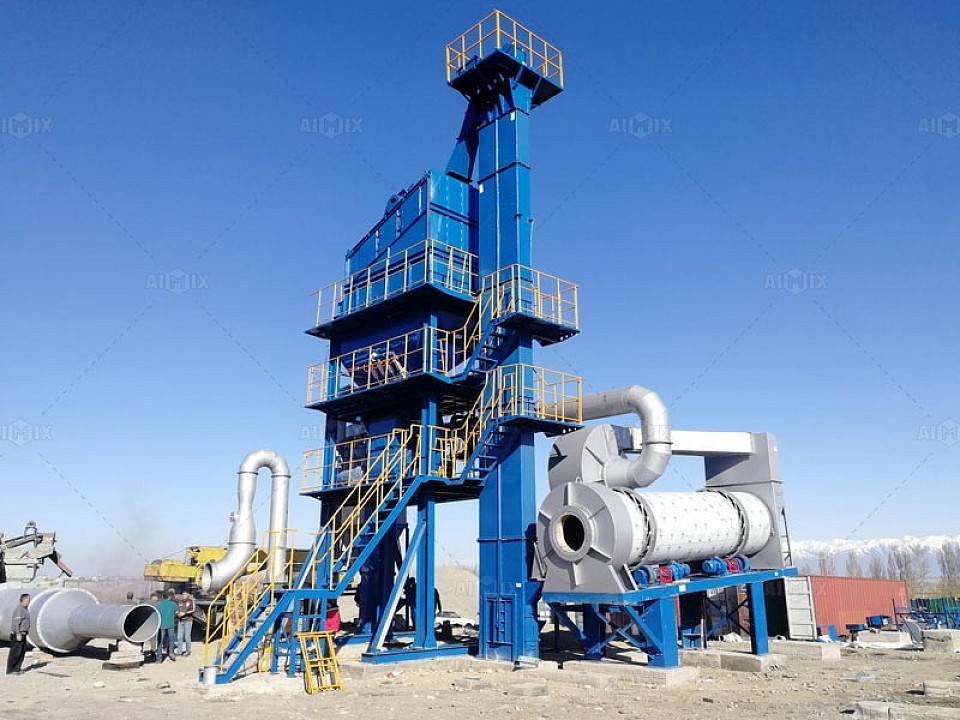
Las Diferentes Aplicaciones de una Planta Móvil de Asfalto
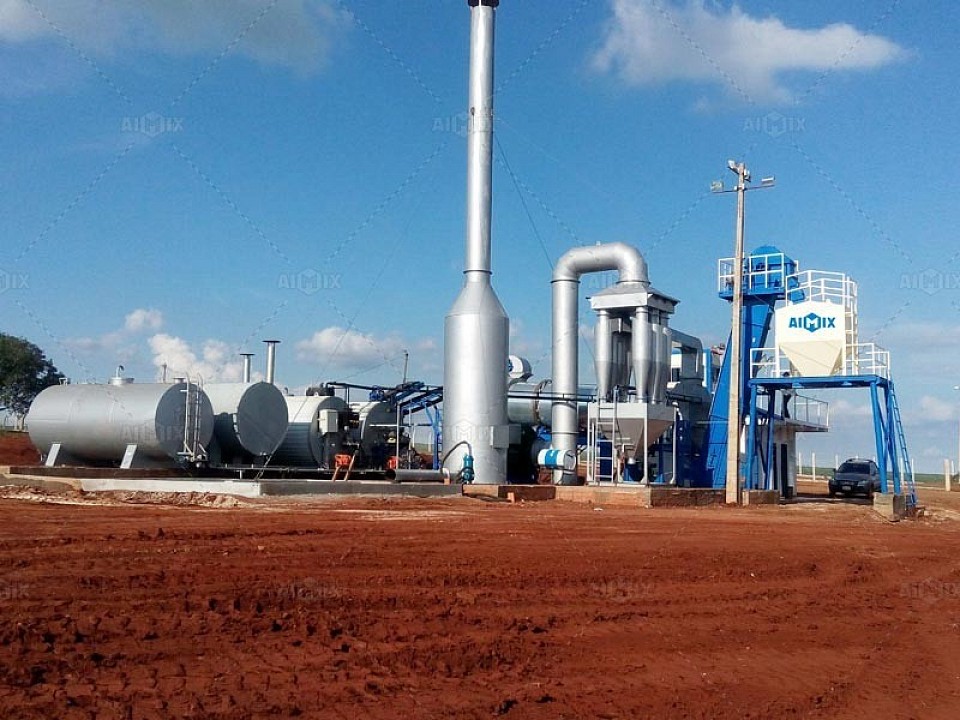
Una planta móvil de mezcla de asfalto es un equipo de construcción esencial utilizado para producir mezcla de asfalto en caliente, un material crítico en la pavimentación. La movilidad de la planta permite que se transporte de un sitio de trabajo a otro, ofreciendo flexibilidad a los contratistas que trabajan en múltiples proyectos. Este artículo explora las aplicaciones, beneficios y funcionalidad de las plantas móviles de mezcla de asfalto, particularmente en la industria de la construcción de carreteras.
Aplicaciones de las Plantas Móviles de Mezcla de Asfalto
Proyectos de Construcción
Las planta de asfalto portátil se utilizan comúnmente en varios proyectos de construcción, incluyendo:
- Autopistas: Asegurando un suministro constante de asfalto para extensas redes viales.
- Puentes: Proporcionando la mezcla de asfalto necesaria para superficies de puentes duraderas y seguras.
- Proyectos a Gran Escala:
Apoyando desarrollos de infraestructura como aeropuertos, estacionamientos y terminales.
Ubicaciones Remotas
La portabilidad de las plantas de asfalto móviles las hace ideales para áreas remotas o rurales donde transportar asfalto desde una planta estacionaria sería poco práctico. Esta movilidad asegura que incluso los sitios de construcción distantes puedan recibir asfalto de alta calidad sin desafíos logísticos significativos.
Ventajas de las Plantas Móviles de Mezcla de Asfalto
Versatilidad y Movilidad
Fácil Reubicación
Una de las principales ventajas de las plantas móviles de mezcla de asfalto es su capacidad para ser reubicadas fácilmente. Esta flexibilidad permite a los contratistas mover la planta de asfalto definición a diferentes sitios de trabajo según sea necesario, reduciendo costos y tiempo de transporte.
Montaje y Desmontaje Rápidos
Las plantas móviles pueden montarse y desmontarse rápidamente, lo que las hace perfectas para proyectos con horarios ajustados. Esta eficiencia es particularmente beneficiosa en la industria de la construcción, donde los plazos de los proyectos son cruciales.
Rentabilidad
Menores Costos Operativos y de Mantenimiento
Las plantas de asfalto móviles generalmente cuestan menos de operar y mantener que las plantas estacionarias. Esta rentabilidad las convierte en una opción atractiva para los contratistas que buscan optimizar sus presupuestos mientras mantienen altos estándares de producción.
Reducción de Costos de Transporte
Dado que la planta puede trasladarse más cerca del sitio de construcción, se minimiza la necesidad de transportar la mezcla de asfalto caliente. Esta reducción en el transporte no solo ahorra dinero, sino que también reduce el desgaste de las carreteras públicas.
Beneficios Ambientales
Menores Emisiones
Las plantas móviles de mezcla de asfalto tienden a emitir menos contaminación en comparación con las plantas estacionarias. Su capacidad para ubicarse cerca del sitio de trabajo reduce la necesidad de transporte de materiales a larga distancia, contribuyendo a menores emisiones generales.
Utilización de Materiales Reciclados
Muchas plantas móviles son capaces de procesar asfalto reciclado, lo que las hace más amigables con el medio ambiente. Esta capacidad apoya prácticas de construcción sostenibles y reduce la demanda de materias primas nuevas.
Funcionalidad de las Plantas Móviles de Mezcla de Asfalto
Componentes Clave
Mezclador
El mezclador combina y calienta los materiales a la temperatura adecuada, asegurando una mezcla de asfalto de alta calidad.
Torre de Control
La torre de control alberga los controles de la planta y monitorea el proceso de producción, asegurando una salida y calidad consistentes.
Tolvas de Almacenamiento de Agregados
Estas tolvas almacenan los diversos materiales de piedra y arena utilizados para producir la mezcla de asfalto caliente (HMA). El almacenamiento adecuado asegura que los materiales estén disponibles para la mezcla.
Capacidad de Producción
Una planta móvil de mezcla de asfalto típica puede producir alrededor de 400 toneladas de HMA por hora. Esta capacidad es suficiente para la mayoría de los proyectos de construcción, proporcionando un suministro constante de asfalto según sea necesario.
Beneficios en la Industria de la Construcción de Carreteras
Mejora de la Eficiencia del Proyecto
Las plantas móviles de mezcla de asfalto mejoran la eficiencia del proyecto al asegurar un suministro continuo de asfalto en el sitio. Esta continuidad minimiza los tiempos de inactividad y acelera la finalización del proyecto, lo cual es crucial para los proyectos de construcción de carreteras.
Mejora del Control de Calidad
Al producir asfalto en el sitio, los contratistas pueden mantener un mejor control sobre la calidad de la mezcla. Este control es esencial para cumplir con los requisitos específicos del proyecto y asegurar la longevidad y durabilidad del pavimento.
Adaptabilidad a las Demandas del Proyecto
Las plantas móviles pueden adaptarse a las diversas demandas del proyecto, ya sea una reparación a pequeña escala o la construcción de una autopista grande. Esta adaptabilidad las convierte en un activo versátil para cualquier empresa de construcción de carreteras.
Conclusión
Las plantas móviles de mezcla de asfalto ofrecen numerosas ventajas, incluyendo versatilidad, rentabilidad y beneficios ambientales. Su capacidad para reubicarse rápidamente, montarse y desmontarse las convierte en una opción ideal para los contratistas, especialmente aquellos que trabajan en ubicaciones remotas o en proyectos con espacio limitado. En la industria de la construcción de carreteras, estas plantas aseguran la ejecución eficiente de los proyectos, mejoran el control de calidad y se adaptan a diversas demandas, consolidándose como una herramienta valiosa en la construcción moderna.
Exactly Why Do We Choose Mobile Asphalt Mixing Plants?
For those contemplating investing in a mobile asphalt mixing plant, the first question often involves the machine's quality. Why is this the go-to choice for many in the road construction industry?
Here are the primary reasons why it's advisable to choose a mobile asphalt mixing plant as soon as possible.
Reasonable Results
The reasonable results provided by mobile asphalt mixing plants(plantas mezcladoras de asfalto móviles) will win businesses over as they look to boost their bottom line. Asphalt is often needed in various locations, and it's more efficient to move the plant around. This is what a mobile solution delivers, making it a valuable addition to any construction project.
- Financial Efficiency
Mobile asphalt plants are cost-effective due to their ability to be transported directly to the job site. This reduces the need for multiple transport trips of asphalt, thus saving on logistics costs. The flexibility of having the plant on-site ensures that asphalt is available when needed, preventing delays and improving project timelines.
- Versatility in Application
Whether for a small patch job or a medium-scale paving project, the versatility of mobile asphalt plants allows contractors to handle various types of projects efficiently. This adaptability ensures that contractors can take on a broader range of jobs, increasing their marketability and potential revenue.
Quick Output
Time is always important, and this doesn't change with asphalt mixing plants(mini planta de asfalto). A mobile asphalt mixing plant is designed to provide quick output, meeting the scheduling needs of construction projects.
- Rapid Production
Mobile plants can start production almost immediately upon setup. This rapid production capability ensures that asphalt is available as soon as construction begins, reducing downtime and maintaining project momentum.
- Consistent Supply
The ability to produce asphalt on-demand ensures a consistent supply, crucial for projects with tight deadlines. This consistency helps in maintaining a steady workflow, preventing bottlenecks and ensuring that project milestones are met.
Immaculate Mixtures
The mixtures produced by mobile asphalt mixing plants are of the highest quality. This quality makes mobile solutions as impressive as their stationary counterparts in providing real-world value.
- High-Quality Asphalt
Mobile asphalt plants produce impeccable mixtures that meet industry standards. The quality of asphalt is vital for the durability and longevity of the constructed roads. High-quality mixtures ensure that the paved surfaces can withstand heavy traffic and adverse weather conditions.
- Customizable Mixes
These plants offer the flexibility to create custom mixes tailored to specific project requirements. This customization is essential for projects that need unique asphalt compositions to address particular challenges such as high-stress areas or varying climatic conditions.
Easy to Maneuver
The primary goal of a mobile solution in terms of mixing plants is ease of maneuverability. On larger construction sites, the ability to move from point A to point B without issues is crucial.
- Site Accessibility
Mobile asphalt plants can be easily transported to remote or challenging locations where stationary plants might not be feasible. This accessibility is crucial for infrastructure projects in rural or hard-to-reach areas, ensuring that no location is too difficult to service.
- Simplified Logistics
The mobility of these plants simplifies logistics by reducing the need for extensive transport planning and coordination. This simplicity translates into lower operational costs and streamlined project management.
Professionally Designed
There is a sense of professionalism that comes with these asphalt mixing plants, which is important. Choosing a solution made by reputable manufacturers ensures reliability and efficiency.
- Advanced Engineering
Mobile asphalt mixing plants are designed with advanced engineering techniques to ensure optimal performance. This professional design ensures that the plant operates efficiently, producing high-quality asphalt with minimal downtime.
- User-Friendly Operation
These plants are designed to be user-friendly, requiring minimal training for operators. This ease of use reduces the learning curve and ensures that the plant can be operated effectively from the start, maximizing productivity.
Durable
Durability is a significant aspect of mobile asphalt mixing plants. These plants are built to withstand the rigors of construction environments and provide consistent performance over time.
- Robust Construction
Mobile asphalt plants are constructed using high-quality materials that ensure longevity and durability. This robust construction means that the plant can endure harsh conditions and continuous use without significant wear and tear.
- Low Maintenance
Durable mobile asphalt plants require less maintenance, reducing operational costs and downtime. This low maintenance need ensures that the plant remains productive, contributing to the overall efficiency of construction projects.
Importance in the Road Construction Industry
The road construction industry relies heavily on efficient and reliable asphalt production. Mobile asphalt mixing plants play a crucial role by providing on-site production capabilities, which are essential for the timely completion of projects.
- Enhanced Project Efficiency
Mobile asphalt plants enhance project efficiency by reducing the time and costs associated with transporting asphalt from distant locations. This efficiency is vital for meeting project deadlines and ensuring high-quality construction.
- Adaptability to Project Needs
These plants can adapt to various project sizes and requirements, making them suitable for a wide range of road construction activities. This adaptability ensures that contractors can handle diverse projects with ease.
- Environmental Benefits
By reducing the need for transportation, mobile asphalt plants help lower the overall carbon footprint of construction projects. This reduction in emissions aligns with the industry's move towards more sustainable practices.
Final Thoughts
Investing in a mobile asphalt mixing plant is a strategic decision that offers numerous benefits. These plants provide reasonable results, quick output, immaculate mixtures, and easy maneuverability. Professionally designed and durable, they are essential for enhancing the efficiency and adaptability of road construction projects. With a mobile asphalt mixing plant, businesses can ensure high-quality asphalt production, timely project completion, and long-term profitability.
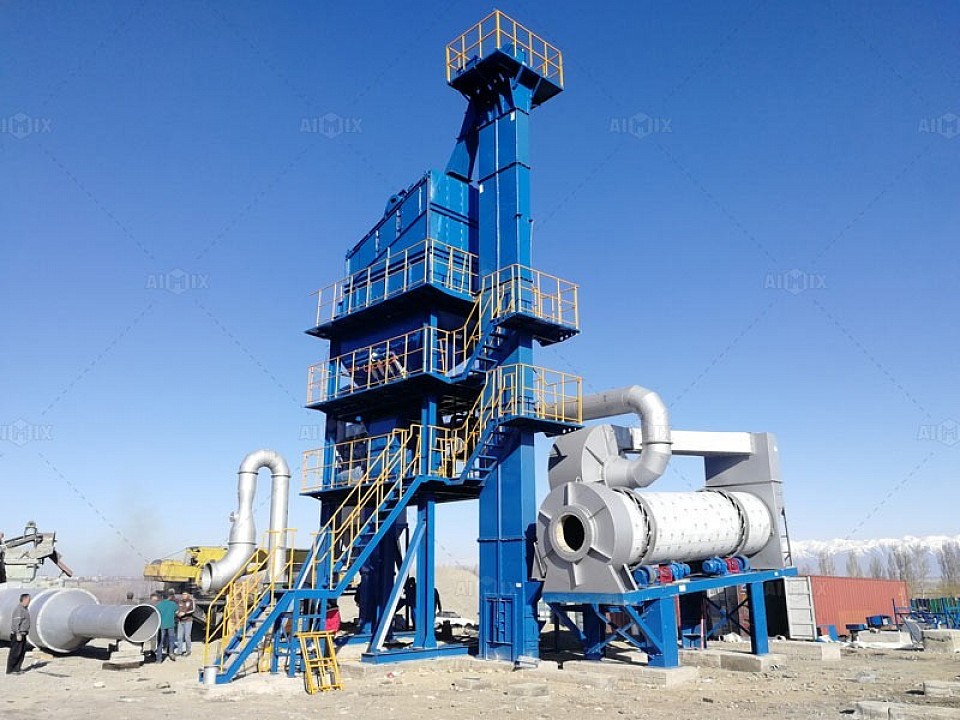
Understanding the Working Principle of Continuous Asphalt Plants
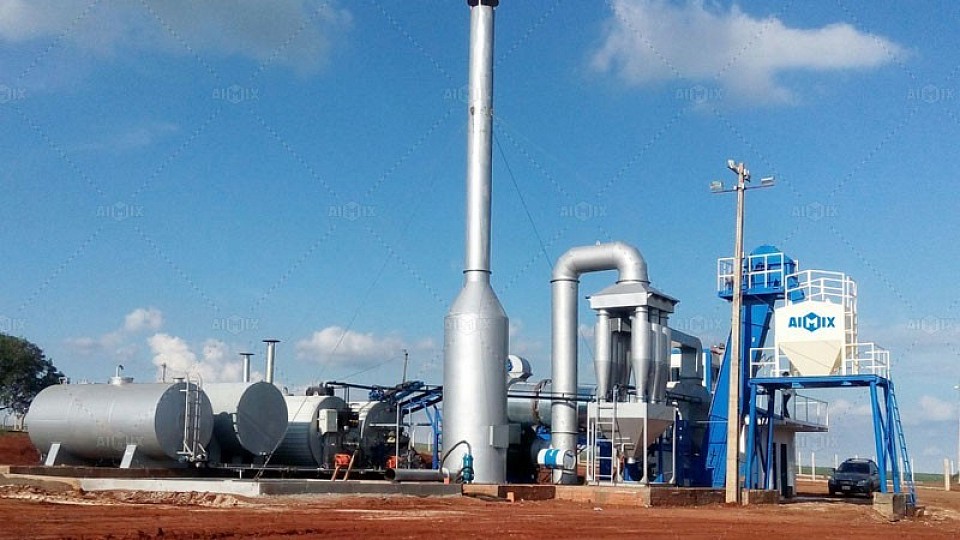
Continuous asphalt plants are a critical component in the infrastructure development industry, playing a pivotal role in the efficient production of high-quality asphalt for roads, airport runways, and various construction projects. This article delves into the working principles of continuous asphalt plants and their significance in meeting the demands of large-scale asphalt production.
The Core Principles of Asphalt Production
- Efficiency and Quality
The design and operational framework of continuous asphalt plants revolve around two key principles: efficiency and quality. These plants are engineered to maximize output without compromising the asphalt's integrity, ensuring that each batch meets rigorous standards required for durable and sustainable infrastructure.
- Cost-Effectiveness
While the initial investment in a continuous asphalt plant(planta de asfalto continua) may be higher than its counterparts, the long-term savings on maintenance and operations make it a cost-effective solution for large-volume production needs. The automated processes and reduced downtime contribute significantly to operational cost savings over time.
Why Choose a Continuous Asphalt Plant?
- Non-Stop Operation
Dubbed "continuous" for their ability to operate seamlessly for extended periods, these plants are designed with automation in mind. Their capability to produce asphalt continually, with minimal human intervention, sets them apart from batch mix plants which require periodic stops for cleaning and maintenance.
- Enhanced Productivity
The continuous nature of these plants means they can keep up with the demands of large-scale projects without sacrificing speed or quality. This constant production flow is especially beneficial for time-sensitive projects where delays can lead to increased costs and logistical challenges.
- Adaptability to Large Projects
Given their size and production capacity, continuous asphalt plants are an ideal choice for substantial industrial operations. They offer the scalability necessary to tackle extensive road construction projects, ensuring a steady supply of asphalt that meets project specifications.
Key Components and Their Functions
Continuous asphalt plants feature several integral components that work together to ensure smooth operation and consistent output:
- Cold Feed Bins: Store and meter different aggregate sizes into the production process.
- Drum Mixer: Aggregates are heated and mixed with bitumen and filler material to produce the final asphalt mix.
- Dust Collection System: Ensures environmental compliance by capturing and filtering dust particles generated during the mixing process.
- Control Room: Houses the computer systems and controls that operators use to monitor and adjust the plant(planta de asfalto caliente)'s production parameters.
Conclusion
The decision to invest in a continuous asphalt plant should be grounded in an understanding of your project's scale, budget, and quality requirements. By appreciating the working principles of these sophisticated machines, companies in the road construction sector can make informed choices that align with their operational goals and contribute to the development of robust infrastructure. Continuous asphalt plants stand out as a highly efficient, cost-effective, and reliable solution for meeting the growing demands of modern road construction projects, providing a seamless supply of high-quality asphalt for various applications.
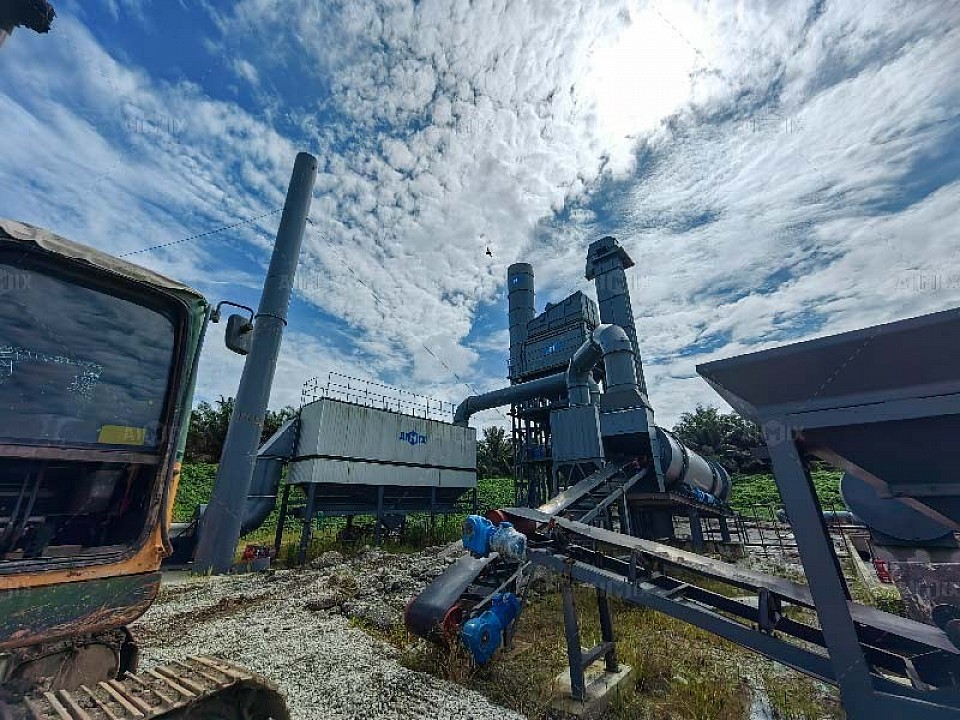
What You Should Know About Basic Asphalt Mixing Plant Functions
When an asphalt mixing plant is functioning properly, it may produce 1000s of gallons of asphalt each day. Whether this really is a portable unit or perhaps a stationary system, they are designed to be as efficient as you possibly can. Generally, an asphalt mixing plant could have very specific functions. These functions are tied directly to the various components that allow it to produce this product. When something goes completely wrong, modern systems can identify what function is not really functioning properly. Let's discuss how these mixing plants work when producing the asphalt that you will want.
How Do They Produce Asphalt?
The creation of asphalt is fairly easy to understand. It includes homogenous blend of a number of different components. This can include the application of aggregate material which is dry and filtered. This should be done at temperatures which will make the bitumen to melt. From the drum in which the components will reside, they will start to amalgamate together. The last product is a viscous material that could be poured onto roadways. All of this can happen inside the context of the asphalt plant(proceso de planta asfaltica) or portable unit that you simply will purchase from a reliable source.
Common Operations Of Asphalt Mixing Plants
There are various different processes that will occur when aggregate materials, bitumen, fly ash, as well as other components are eventually mixed together to generate asphalt. There may first be an assessment and screening in the aggregates that are used. They need to be of a certain diameter for them to work correctly. This requires the screening from the aggregates, plus the drying and heating of such materials. After that, this product, along with bitumen, will likely be combined. At high temperatures, with a regular volume of rotation, the final product will probably be produced and might be kept in an asphalt silo.
How You Can Obtain The One That Is Reasonable
The least expensive systems are not necessarily those that are the most basic. Businesses focusing on the building of asphalt mixing plants will not all pay the same add up to ask them to built. The fee for each component, and also the cost of labor, may vary significantly. The location of the manufacturing plant, as well as the sources for raw materials, will invariably bring about the final price that you simply will pay. This will likely also have just how much it can cost to acquire aggregate material that may be pre-filtered to your asphalt production. The least expensive systems can be in different countries that will then require the fee for shipping. However, the whole cost will definitely be much lower whenever using these organizations.
Asphalt mixing plants from AIMIX China Group should be able to produce asphalt consistently when the functionality in the plant is not compromised. This might occur by obtaining one who is lower in price, or by compromising on the grade of the components which can be used. In any case, you should know that you will be getting one of the best systems for producing asphalt. The research may ultimately bring about asphalt mixing plant businesses that may have the actual product that you need for your business.