
Asphalt Mixing Plant Functions
How Intelligent Asphalt Plants Enable 24/7 Production and Change Latin American Construction Patterns
The landscape of Latin American infrastructure is undergoing a profound transformation. At the heart of this change is a technological revolution in one of the most fundamental elements of construction: asphalt production. The traditional image of asphalt plants as static, labor-intensive, and environmentally challenging facilities is fading, replaced by a new generation of intelligent, connected, and highly efficient systems. This shift is not merely about upgrading equipment; it's about reimagining the entire production and delivery chain. By enabling reliable, around-the-clock production, these smart asphalt plants(planta de asfalto) are directly addressing the region's pressing needs for accelerated development, cost control, and sustainable growth. They are reshaping project timelines, economic models, and the very patterns of how roads and infrastructure are built across the continent.
The Core of the Revolution: What Makes an Asphalt Plant "Intelligent"?
An intelligent asphalt plant transcends basic automation. It integrates advanced sensors, Internet of Things (IoT) connectivity, and data analytics into every stage of the production process, from aggregate feeding to final mix discharge.
Real-Time Process Control and Optimization
Sensors continuously monitor critical parameters such as aggregate moisture content, temperature zones, and bitumen ratio. The system automatically makes micro-adjustments in real-time, ensuring every ton of mix meets exact specifications. This eliminates costly waste and rework, a common challenge in variable climatic conditions found in many Latin American countries.
Predictive Maintenance and Downtime Elimination
Unplanned downtime is the arch-nemy of continuous production. Intelligent plants utilize vibration analysis, thermal imaging, and performance trend monitoring to predict component failures before they happen. This allows for scheduled maintenance during natural breaks, securing the coveted 24/7 operational window. For a contractor considering an asphalt plant for sale(planta de asfalto en venta), this predictive capability is a major financial differentiator, directly impacting return on investment.
Integrated Supply Chain and Logistics Management
GPS tracking of raw material deliveries and finished mix trucks is synchronized with the plant's production schedule. Dispatchers and project managers have live dashboards showing plant output, truck locations, and paver progress. This seamless coordination ensures the hot mix arrives at the job site at the perfect time and temperature, maximizing paving efficiency and quality.
Impact on Latin American Construction Patterns
The adoption of intelligent asphalt technology is catalyzing a shift from fragmented, project-based approaches to more strategic, continuous infrastructure development.
Enabling Large-Scale, Accelerated Corridor Projects
Nationwide connectivity projects, such as road corridors connecting mines to ports or linking regional trade blocks, require immense, consistent volumes of asphalt. Traditional plants could become bottlenecks. Intelligent plants, with their 24/7 capability and consistent quality, provide the steady "heartbeat" needed for these mega-projects, allowing multiple paving crews to work simultaneously across different sections.
Revolutionizing Urban Maintenance and Modernization
In bustling cities from Mexico City to Santiago, closing roads for maintenance causes massive disruption. The flexibility of intelligent plants, including the emergence of compact mini asphalt plant(mini planta de asfalto) setups, allows for efficient small-batch production. Cities can perform rapid, high-quality repair work during off-peak night hours, minimizing impact on traffic and commerce—a pattern moving towards true "24/7 city" maintenance cycles.
Improving Economics and Access for Medium-Sized Contractors
The high efficiency and lower operational waste of smart plants improve project margins. Furthermore, the market now offers scalable solutions. A growing contractor might invest in a highly automated mini asphalt plant for municipal work, while a larger firm might seek a full-scale modular asphalt plant for sale designed for intelligence from the ground up. This democratizes access to advanced technology, fostering a more competitive and innovative local construction sector.
Driving Sustainability Standards
Latin America is increasingly focused on sustainable construction. Intelligent plants contribute directly through precise material use, reduced fuel consumption via optimized burners, and capabilities for integrating recycled asphalt pavement (RAP). The ability to accurately control mix formulas allows for the use of more sustainable materials without compromising performance, helping projects meet emerging environmental regulations.
Key Considerations for Adoption in the Latin American Market
Adopting this technology requires strategic planning beyond the purchase of machinery.
Skilled Workforce and Training
Transitioning to an intelligent asphalt plant necessitates a parallel investment in people. Operators evolve into system managers, analysts, and data interpreters. Developing local training programs with suppliers and technical institutes is crucial for long-term success.
Robust Connectivity Infrastructure
The full benefits rely on stable internet connectivity for data transmission from sometimes remote plant sites. Partnerships with telecom providers and investments in backup systems (like satellite links) are essential components of the investment.
Lifecycle Cost Analysis Over Initial Price
The decision-making process must shift from focusing solely on the initial sticker price of an asphalt plant for sale to evaluating total lifecycle costs. The premium for intelligence is offset by dramatic savings in fuel, material, downtime, and maintenance over 5-10 years, a calculation that forward-thinking firms are now prioritizing.
The Road Ahead
The integration of intelligence into asphalt production is more than an industrial upgrade; it is a foundational change for Latin American infrastructure. It enables a faster, more resilient, and more sustainable build-out of the roads, highways, and urban networks that drive economic growth and social connectivity. As the technology becomes more accessible and understood, the pattern will shift from isolated "smart projects" to a new industry standard. Contractors and governments that embrace this change will not only build better roads but will also pave the way for a more dynamic and efficient construction era, where continuous, data-driven production meets the continent's ambitious development goals 24 hours a day, 7 days a week.
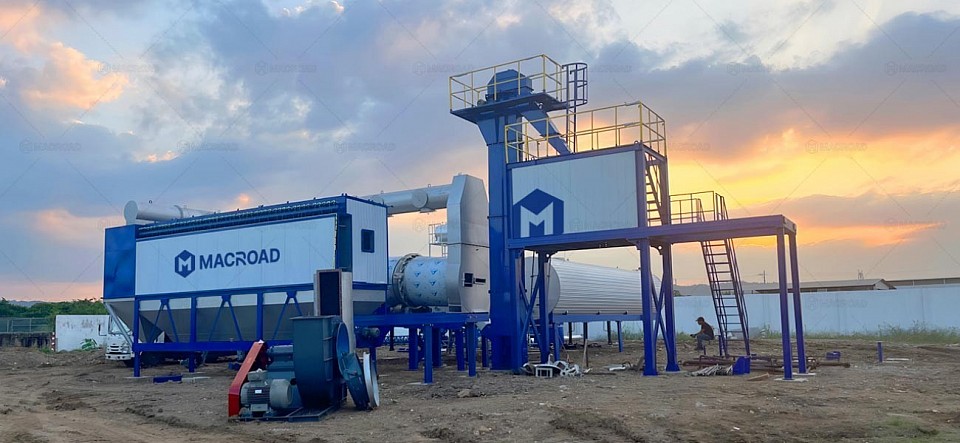
How Tariffs, Exchange Rates, and Logistics Shape Asphalt Plant Costs in Latin America
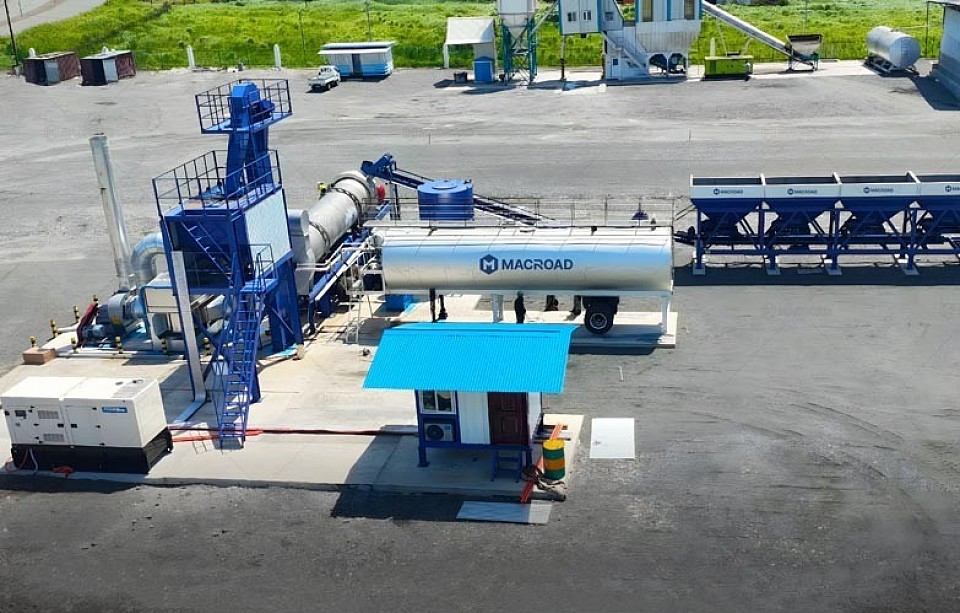
For contractors and government agencies across Latin America, procuring an asphalt plant is a major capital investment critical to infrastructure development. However, the final price paid is rarely as simple as the manufacturer's quoted figure. A complex web of international trade policies, financial market fluctuations, and logistical realities intertwines to determine the true landed cost. Understanding these factors—import tariffs, exchange rate volatility, and in-country logistics—is essential for accurate budgeting, realistic procurement planning, and ultimately, securing the best value for your project. Ignoring them can lead to budget overruns of 20% or more, turning a sound investment into a financial strain.
The Tariff Wall: Navigating Import Duties and Trade Agreements
The first major factor adding to the base asphalt plant price(planta de asfalto precio) is the import tariff, or duty, imposed by the destination country. This is a government tax on imported goods, designed to protect domestic industries, generate revenue, or regulate trade.
- Varying National Policies: Tariff rates on heavy machinery like asphalt plants vary significantly across Latin America. A country with a strong domestic manufacturing base may impose higher tariffs to protect its local industry. Conversely, a nation without local production might have lower duties or participate in trade agreements that offer preferential rates.
- The Andean Community and Mercosur: Regional blocs like the Andean Community (which includes Colombia, Peru, Bolivia) and Mercosur (Brazil, Argentina, Uruguay, Paraguay) have internal tariff benefits. However, importing a plant from outside these blocs, say from China, the United States, or Europe, typically incurs the "Most Favored Nation" (MFN) tariff, which can be substantial. For example, when evaluating the total asphalt plant Colombia price, the MFN tariff can add a significant percentage to the CIF (Cost, Insurance, and Freight) value.
- Strategic Sourcing: Savvy buyers must research these rates thoroughly. Sometimes, sourcing a plant from a country that has a free trade agreement (FTA) with the destination can dramatically reduce or eliminate the duty, making the overall deal more attractive despite a potentially higher initial manufacturer's quote.
The Currency Rollercoaster: Managing Exchange Rate Risk
Asphalt plants are typically priced and negotiated in major currencies like US Dollars (USD) or Euros (EUR). However, the purchasing entity usually operates and holds capital in local currency (e.g., Colombian Pesos, Peruvian Soles, Brazilian Reais). The fluctuation between these currencies between the time of quotation, contract signing, and final payment presents a major financial risk.
Volatility as a Cost Driver: Latin American currencies can experience periods of high volatility against the USD. A 10% depreciation of the local currency between contract signing and the final payment installment can instantly increase the local-currency cost by the same margin, blowing a hole in the procurement budget.
- Mitigation Strategies: Proactive contractors employ several strategies:
- Forward Contracts: Locking in an exchange rate with a bank for the future payment date.
- Price Escalation Clauses: Including contract clauses that share or define responsibility for currency shifts beyond a certain threshold.
- Local Currency Financing: Seeking financing in the currency of the plant's origin to match the asset and liability.
- Staged Payments: Structuring payments to coincide with project cash flow and favorable exchange rate moments.
The Final Mile: In-Country Logistics and Hidden Costs
Once the plant clears customs, the journey—and the accrual of costs—is far from over. The "final mile" logistics from the port of entry to the job site are a critical and often underestimated component of the total expenditure.
- Transportation Permits and Escorts: Moving oversized, heavy components of an asphalt plant requires special transport permits, police escorts (in some countries), and route surveys. These services come at a premium and must be factored in.
- Site Preparation and Assembly: The cost of preparing the plant foundation, providing heavy-lift cranes for assembly, and hosting the manufacturer's commissioning engineers (including their per diem, accommodation, and local travel) are all borne by the buyer. For a mini asphalt plant(mini planta de asfalto), these costs are proportionally smaller but still material.
- Spare Parts and Inventory: The long-term operational cost is affected by logistics. The lead time and import duties on critical spare parts must be considered. Establishing a local spare parts inventory requires upfront capital but mitigates future project downtime.
Developing a Holistic Procurement Budget: A Practical Checklist
-
To move from a simple quote to a comprehensive budget, procurement teams should build a cost model that includes:
- Base Equipment Cost (FOB): The ex-works price from the manufacturer.
- International Freight & Insurance (CIF): Cost to ship to the nearest major port.
- Import Duty & Taxes: Calculate based on the CIF value and the local tariff code. This is a key differentiator when comparing the final asphalt plant Colombia price(planta de asfalto Colombia Precio) versus another country's total cost.
- Port & Customs Clearance Fees: Including handling, customs broker fees, and potential storage.
- In-Land Transportation: Heavy haulage, permits, and escorts to the site.
- Assembly & Commissioning: Civil works, crane rentals, and technical support costs.
- Exchange Rate Buffer: A contingency (e.g., 5-10%) for potential currency movement during the procurement period.
- Initial Spare Parts Kit: The cost of the recommended start-up inventory.
Conclusion: Beyond the Sticker Price
Procuring an asphalt plant in Latin America is an exercise in total cost of ownership (TCO) analysis. The published asphalt plant price is merely the starting point. A disciplined procurement strategy must actively account for the "invisible" costs layered on by tariffs, the "variable" costs introduced by exchange rates, and the "surprise" costs embedded in complex logistics. By conducting thorough due diligence on trade agreements, implementing financial hedges against currency risk, and meticulously planning the inland logistics chain, contractors and public agencies can transform procurement from a risky expense into a predictable, value-driven investment. This comprehensive approach ensures that the plant that arrives on site supports the project's financial health as robustly as it supports its paving schedule.
Price Comparison Of Used And New Asphalt Plants Based On Equipment Status
The choice between a used or new asphalt plant is one of the most significant financial decisions contractors face in the road and bridge construction industry. While new equipment often comes with warranties and the latest technology, used plants can appear more attractive due to lower initial costs. However, the long-term value depends heavily on the equipment’s condition, maintenance history, and how well it matches project requirements. Understanding how the price of asphalt plant(precio de planta de asfalto) differs between used and new units can help contractors make smarter investments.
Key Factors That Influence Asphalt Plant Prices
Equipment Age And Usage History
The age of an asphalt plant directly affects its market price. A new plant carries a higher upfront cost, but it offers modern features, compliance with updated environmental standards, and typically lower operating costs. Used plants, on the other hand, vary widely in price depending on how many years they have been in service and how intensively they were used.
Maintenance And Service Records
When considering the price of asphalt plant in the used market, maintenance history is crucial. Plants with consistent service, replaced wear parts, and good documentation usually command higher prices than neglected equipment. Contractors should always request maintenance records before making a purchase.
Technology And Automation Levels
New plants often come with advanced control systems, energy-saving features, and better dust collection systems. These features not only improve efficiency but also help meet stricter environmental regulations in many regions. Used equipment may lack these upgrades, which can influence both the purchase price and long-term operating costs.
Comparing The Price Of New And Used Asphalt Plants
New Asphalt Plants
- Higher upfront cost: New plants are more expensive initially, reflecting their advanced design and warranty protection.
- Lower risk of breakdowns: Reduced maintenance issues in the first few years.
- Compliance benefits: Meets modern environmental and safety standards, which is vital for government contracts.
Used Asphalt Plants
- Lower purchase price: Attractive to contractors with limited budgets or smaller-scale projects.
- Higher risk of downtime: Older equipment is more prone to unexpected repairs, which can extend project timelines.
- Potential for hidden costs: Parts replacement, upgrades, or retrofitting may significantly increase expenses.
The Role Of Equipment Status In Price Evaluation
Well-Maintained Used Plants
A used asphalt plant that has been well maintained may offer excellent value. For contractors who need equipment quickly and cannot wait for new plant delivery, a second-hand option in good condition can be practical.
Poorly Maintained Plants
On the other hand, plants with poor upkeep often come with hidden costs. Frequent breakdowns, high energy consumption, and inefficient mixing performance can erode any initial savings from the lower purchase price.
Resale Value Considerations
Contractors should also consider future resale value. A new asphalt plant(planta de asfalto), or even a well-maintained used plant, will retain more resale value than older, neglected equipment.
Mini Asphalt Plants As An Alternative
For smaller road and bridge construction projects, a mini asphalt plant(mini planta de asfalto) can be a cost-effective option. These plants are generally more affordable than full-size models, whether new or used. Contractors benefit from:
- Lower investment: Ideal for municipalities or small contractors.
- Ease of relocation: Compact size allows for greater mobility.
- Sufficient output for local projects: Meets the needs of small-scale paving without overspending.
A mini asphalt plant, whether purchased new or used, reduces financial risk while still supporting efficient project completion.
Long-Term Financial Considerations
When comparing the price of asphalt plant, contractors must evaluate not just the purchase cost but also:
- Operating efficiency: Energy consumption and fuel usage impact ongoing expenses.
- Downtime risk: Frequent repairs in used plants can delay projects and increase labor costs.
- Project pipeline: Contractors handling continuous large projects may benefit more from new, high-capacity plants.
- Regulatory compliance: Ensuring the plant meets current environmental standards avoids fines or project rejections.
Practical Tips For Contractors
- Inspect before purchase: Always conduct a detailed inspection of used equipment.
- Review service records: Confirm that key components have been maintained or replaced.
- Compare lifetime costs: Consider purchase price, operating expenses, and resale value.
- Match plant size to project: A mini asphalt plant may suffice for small jobs, while large projects require higher-capacity models.
Conclusion
The choice between new and used asphalt plants depends on more than just the purchase price. While used plants may seem cost-effective at first glance, their long-term value is determined by equipment status, maintenance history, and suitability for project demands. New plants carry higher upfront costs but offer reliability, efficiency, and compliance with modern standards. For smaller-scale projects, a mini asphalt plant provides a practical middle ground. By carefully comparing equipment status and considering both short-term affordability and long-term performance, contractors can make well-informed decisions that support successful road and bridge construction projects.
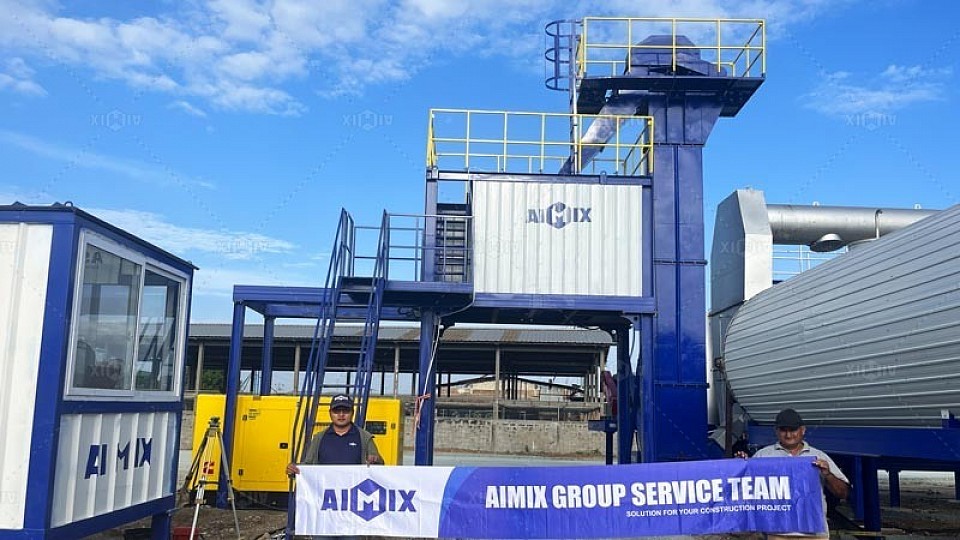
How Low Is the Relocation Cost of a Mobile Asphalt Mixing Plant?
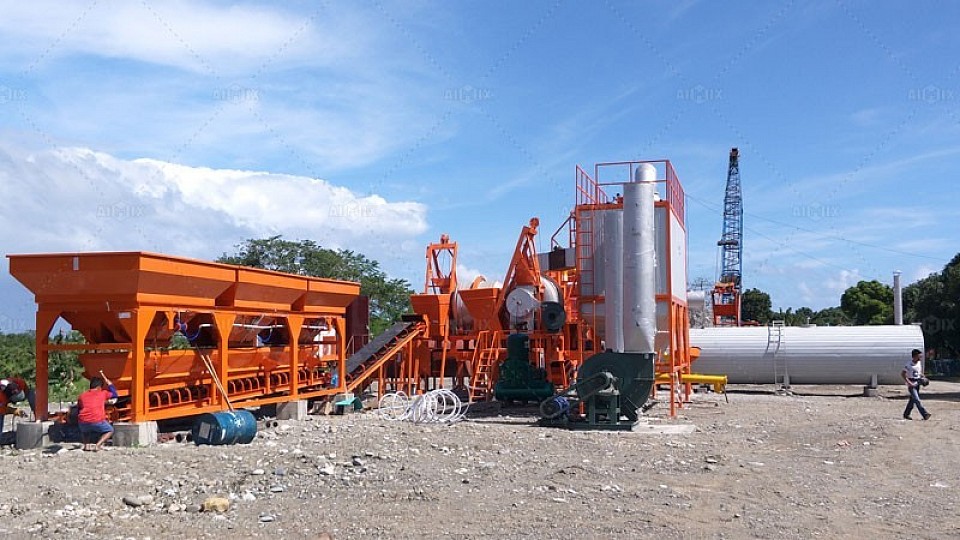
In the competitive road construction industry, contractors are constantly seeking ways to reduce operational costs without sacrificing efficiency or quality. One of the biggest advantages of a mobile asphalt plant is its ability to relocate quickly and affordably compared to a stationary unit. This feature is especially relevant in Latin America, where projects are often scattered across rural and urban locations. But just how low is the relocation cost of a mobile asphalt mixing plant(planta de asfalto movil), and why does it matter for contractors? This article explores the financial and operational benefits, highlighting scenarios where mobility creates a clear edge.
Understanding the Role of Mobile Asphalt Plants
An asphalt plant is a critical piece of equipment for producing the asphalt mixture needed in road paving, highway maintenance, and infrastructure development. In regions like Peru, Chile, and Colombia, the demand for flexible solutions has grown significantly. A traditional stationary plant is efficient for large, centralized projects, but its relocation costs are often high, involving heavy dismantling, transportation, and reinstallation.
By contrast, a mobile asphalt plant is designed with portability in mind. Mounted on trailers or semi-trailers, these plants can be transported with minimal effort, reducing downtime and saving both labor and logistical expenses. For many contractors, this difference is the key factor in maximizing profits across multiple projects.
Why Relocation Costs Matter in Road Construction
Frequent Project Changes
In Latin America, many contractors work on small to medium road construction contracts rather than single, long-term highway projects. These jobs often require equipment to move between different sites within a short period. The lower relocation cost of a mobile asphalt plant enables contractors to accept more projects without being constrained by logistics.
Reducing Downtime and Transportation Expenses
Moving a stationary plant can take weeks, which means losing valuable production time. By contrast, a mobile asphalt plant can often be dismantled, moved, and reassembled in just a few days. This not only minimizes downtime but also cuts expenses related to fuel, transport vehicles, and specialized labor.
Competitive Advantage
In markets like the asphalt plant in Peru(planta de asfalto Perú), contractors face stiff competition for government contracts and private projects. Offering faster project delivery and lower operating costs gives mobile plant users a clear edge. The ability to quickly relocate equipment often determines whether a contractor can bid competitively on multiple projects in different regions.
Factors That Influence Relocation Costs
Plant Size and Capacity
Smaller units, such as a mini asphalt plant(mini planta de asfalto), are naturally easier and cheaper to relocate. They require fewer trucks and less labor to dismantle, transport, and set up. Larger plants, while still more mobile than stationary alternatives, may require additional equipment and time.
Infrastructure and Terrain
Relocation costs also depend on the quality of roads and terrain between project sites. In mountainous areas of Peru or rural parts of Colombia, moving equipment may involve additional logistical challenges, increasing fuel and transport expenses.
Workforce and Technical Expertise
A mobile asphalt plant is designed for quicker setup, but having an experienced crew ensures relocation runs smoothly. Skilled operators reduce installation errors, minimize reassembly time, and avoid costly delays.
Comparing Relocation Costs With Stationary Plants
The cost gap between relocating a stationary plant and a mobile asphalt plant can be significant. Stationary units may require cranes, extensive dismantling, and weeks of labor, resulting in high expenses. On the other hand, mobile plants are modular, pre-assembled, and mounted for easy transport. Contractors typically save thousands of dollars per move and gain additional revenue by keeping projects on schedule.
Moreover, for contractors managing multiple small contracts, a mobile asphalt plant makes long-term financial sense. Instead of committing to one location, they can serve different regions without absorbing the prohibitive relocation costs that come with stationary plants.
Case Example: Asphalt Plant in Peru
In Peru, road development often includes projects in mountainous regions and rural communities where transporting asphalt over long distances is inefficient. A mobile asphalt plant allows contractors to relocate equipment closer to each site, significantly reducing hauling costs. The result is lower project expenses and faster delivery of high-quality asphalt.
This is especially important for municipal governments or private developers looking for affordable solutions. Contractors using mobile plants not only save money but also offer more competitive pricing, increasing their chances of winning contracts.
The Role of Mini Asphalt Plants in Cost Efficiency
For smaller projects, a mini asphalt plant offers the lowest relocation cost of all. Its compact design allows transportation with fewer trucks and faster setup. These units are ideal for municipal projects, small urban roads, or rural pathways where production needs are modest but mobility is essential.
Mini asphalt plants also provide an entry point for smaller contractors in Latin America who want to expand their service areas without committing to the higher investment of a large fixed plant. Their affordability and ease of movement make them a practical choice for cost-sensitive markets.
Conclusion
The relocation cost of a mobile asphalt mixing plant is significantly lower than that of a stationary plant, making it an attractive option for contractors in Latin America and beyond. From reducing downtime and transport expenses to enabling contractors to bid on more projects, the advantages are clear. In countries like Peru, where infrastructure projects are spread across diverse terrains, the ability to quickly relocate an asphalt plant in Peru creates real economic value. For smaller contractors or projects, a mini asphalt plant offers the same mobility benefits at an even lower cost.
Ultimately, the flexibility and affordability of mobile asphalt plants ensure they will continue to play a vital role in modern road construction, helping contractors reduce costs and improve efficiency while meeting the growing demand for infrastructure development.
How Mobile Asphalt Plants Speed Up Infrastructure Projects
In today’s fast-paced construction industry, efficiency is the key to success. As infrastructure projects grow more complex and deadlines shorten, the demand for equipment that can quickly adapt and deploy has never been higher. Mobile asphalt plants have emerged as a solution that not only addresses the need for faster project completion but also offers a unique combination of rapid installation and foundation-free design. This innovation is transforming the way infrastructure projects, including road and bridge construction, are managed across the globe.
In this article, we will explore how mobile asphalt plants(planta de asfalto movil) accelerate the construction process by enabling quick setup, minimizing project delays, and reducing the need for costly foundations.
The Importance of Speed in Infrastructure Projects
The construction of roads, highways, and bridges is often tied to tight deadlines set by government contracts, project owners, or weather conditions. For contractors, this means minimizing the time required for setting up equipment and ensuring that production begins as soon as possible. Traditional asphalt plants often require extensive site preparation, including building concrete foundations and complex assembly procedures, which can delay the overall project timeline.
In contrast, mobile asphalt plants offer a much more efficient solution, allowing for on-site production to begin within 24 hours. These plants are designed to be quickly transported, installed, and set up with minimal effort, eliminating the need for time-consuming foundation work and helping to keep projects on schedule.
Rapid Installation with Foundation-Free Design
Simple Setup, Faster Turnaround
One of the most significant advantages of mobile asphalt plants is their ease of installation. Unlike traditional asphalt plants for sale, which require extensive civil work to prepare the site for operation, mobile units are engineered for rapid setup. These plants come pre-assembled, with all major components ready to be connected and powered up on-site.
This rapid installation process enables contractors to begin asphalt production almost immediately, ensuring that the plant is up and running without delay. As a result, projects that require quick turnarounds—such as road repairs or urgent infrastructure upgrades—can be completed more efficiently, saving both time and money.
Foundation-Free Design for Cost Saving
Another major benefit of mobile asphalt plants is their foundation-free design. In traditional asphalt plants, a solid foundation is necessary to support the plant’s weight and equipment, which requires extensive excavation, concrete pouring, and curing. However, mobile plants are designed to be stable without the need for a foundation, as they are mounted on heavy-duty trailers or modular frames that provide the necessary support.
This eliminates the need for costly and time-consuming foundation work, further accelerating the installation process. Contractors can set up a mobile asphalt plant in virtually any location, whether it’s a remote construction site or an urban area with limited space, without worrying about the extra costs associated with traditional plant installation.
Flexibility for Various Construction Projects
Mobile asphalt plants are incredibly versatile and can be used for a wide range of projects, from small urban road repairs to large-scale highway construction. For smaller projects, contractors can opt for a mini asphalt plant(mini planta asfáltica), which is designed to deliver the same high-quality asphalt as larger units but in a compact, portable format. These plants can be quickly transported and set up for projects in crowded or hard-to-reach areas, where traditional plants might not fit.
For larger infrastructure projects, mobile plants offer the flexibility to be relocated as needed. Since they don’t require a permanent foundation, they can be easily moved between different project sites, reducing logistical challenges and ensuring continuous production without delay.
Reducing Asphalt Plant Costs and Enhancing Productivity
Lower Installation and Operational Costs
One of the most significant benefits of mobile asphalt plants is the cost savings they offer. Not only are installation costs dramatically reduced due to the foundation-free design, but mobile plants also require less labor to set up and operate. Traditional plants often need a dedicated team to manage the site preparation, foundation construction, and equipment assembly. In contrast, mobile asphalt plants can be set up with fewer personnel, further lowering operational costs.
Additionally, the mobility of these plants reduces transportation costs, as they can be moved from one project site to another without the need for special logistics or handling. This makes them a cost-effective solution for contractors who need to meet tight budgets while delivering high-quality asphalt.
Asphalt Plant Price Versus Long-Term Benefits
When considering an asphalt plant for sale, it’s important to weigh the upfront asphalt plant price(planta de asfalto precio) against the long-term benefits of mobility and ease of installation. While mobile plants may have a higher initial cost compared to traditional stationary plants, their flexibility, speed of deployment, and reduced operational costs often lead to significant savings over the plant’s lifecycle.
Contractors looking to invest in an asphalt plant should consider the potential for faster project completion, reduced logistics costs, and the ability to move the plant between different projects as key advantages that justify the initial investment.
Increased Production Efficiency
With the rapid installation and foundation-free design of mobile asphalt plants, contractors can significantly reduce downtime between projects. Once set up, these plants are designed for continuous operation, ensuring that asphalt production runs smoothly and efficiently. The ability to quickly move the plant to different project sites allows contractors to meet production demands without the delays that can occur when waiting for traditional plants to be set up.
Moreover, mobile asphalt plants can be equipped with advanced automation systems that streamline the production process, further enhancing efficiency. Automated controls allow for precise adjustments to the mix, ensuring that the asphalt produced meets the required specifications for each project.
Conclusion
The combination of rapid installation, foundation-free design, and operational flexibility makes mobile asphalt plants an essential tool for contractors in the road and bridge construction industry. By eliminating the need for extensive site preparation and foundation work, these plants significantly reduce setup time, allowing for faster project completion. Whether it’s a mini asphalt plant for smaller urban projects or a full-scale mobile unit for large highway construction, these plants provide an efficient and cost-effective solution for meeting tight deadlines and maximizing productivity.
For contractors looking to stay competitive in today’s fast-paced construction market, investing in a mobile asphalt plant is a smart choice. With the ability to deploy quickly, minimize costs, and maintain high-quality production, mobile asphalt plants are helping to accelerate infrastructure projects across the globe.
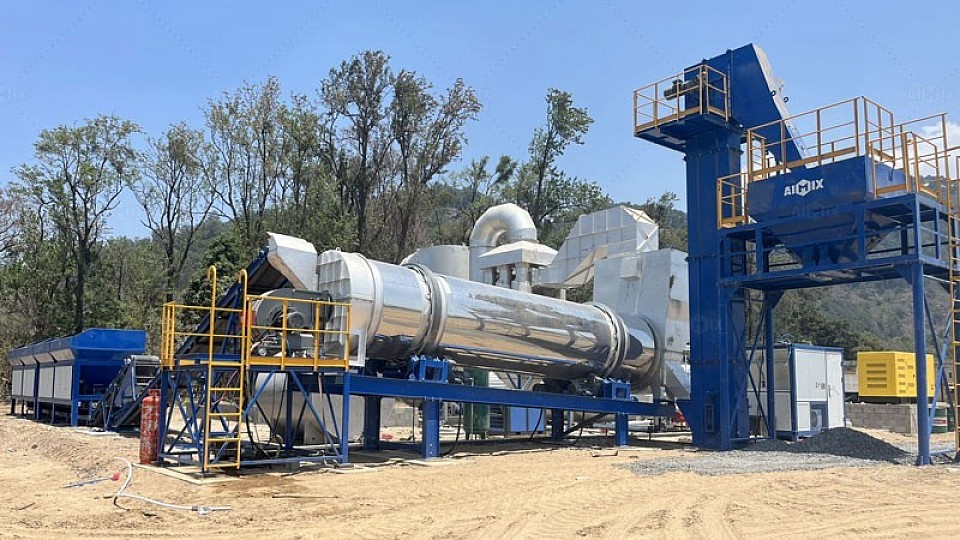
Asphalt Plant Investment Payback Cycle Analysis and Cost Control Strategy
In the highly competitive road and bridge construction industry, efficient equipment investment is crucial for ensuring project profitability. Among all construction assets, the asphalt plant stands out as a major capital expenditure, directly influencing production efficiency, mix quality, and long-term cost structures. Understanding the payback cycle and developing a robust cost control strategy are essential for contractors and investors alike, particularly in the context of rising material costs and growing demands for sustainable infrastructure.
This article will explore how to evaluate the return on investment (ROI) for asphalt plants, how different types of plants affect the payback timeline, and which strategies can help manage costs throughout the plant’s lifecycle.
Understanding the Payback Cycle of Asphalt Plants
The payback cycle refers to the amount of time it takes for an investment—such as purchasing an asphalt plant(planta de asfalto)—to recover its initial cost through profits or cost savings. In the road construction industry, this period is influenced by many variables, including project scale, plant type, material usage, and operating costs.
Key Factors That Affect ROI
Several elements play a direct role in determining how quickly an asphalt plant pays for itself:
- Production Volume: A plant that operates at or near full capacity generates more output and faster returns.
- Project Pipeline: Contractors with a steady stream of projects can justify the capital expenditure more quickly.
- Plant Type: A batch type asphalt plant typically offers greater flexibility and quality control but may involve higher initial investment and maintenance costs compared to continuous mix plants.
- Location and Logistics: Plants located closer to project sites reduce transportation costs, contributing to faster payback.
- Product Type: Some projects require higher-grade asphalt, which can be more profitable and justify faster returns.
In many real-world cases, a mid-sized asphalt plant used on multiple medium-to-large road projects can achieve ROI in as little as 12 to 24 months. However, this period may extend if the plant is underutilized or if operating costs are poorly managed.
Choosing the Right Asphalt Plant Type to Optimize ROI
Selecting the right type of plant is the foundation of any successful investment strategy. There are three main categories to consider:
Batch Type Asphalt Plant
A batch type asphalt plant(planta de asfalto discontinua) is ideal for projects that require high precision and a wide variety of asphalt mixes. These plants are commonly used in urban road construction and airport runways, where different asphalt grades may be needed for different layers. Although the batch type plant has a higher upfront cost, it offers the flexibility to meet diverse specifications, often resulting in premium project pricing.
Mini Asphalt Plant
For small-scale or remote projects, a mini asphalt plant may be the best option. These compact units are easy to transport, install, and operate, making them suitable for contractors working on municipal roads or short-term contracts. Their lower initial investment allows for quicker payback, especially when used intensively on local or rural projects with consistent demand.
Stationary vs Mobile Configurations
Mobile plants, often used in combination with mini asphalt plant(mini planta de asfalto) designs, are gaining popularity in markets with difficult logistics or decentralized project locations. Although mobile units may have slightly lower production capacity, they reduce transportation costs and allow contractors to move the plant from site to site, maximizing usage rates.
Cost Control Strategies Throughout the Plant Lifecycle
A well-managed asphalt plant investment is not only about choosing the right machine—it’s also about maintaining profitability through effective cost control. Here are several strategies that can help maximize financial returns:
Optimize Fuel and Energy Consumption
Energy costs make up a significant portion of asphalt production expenses. Using energy-efficient burners and preheating systems can substantially reduce fuel usage. Regular calibration and maintenance of the dryer drum and burner system can also prevent waste.
Implement Preventive Maintenance Plans
Downtime due to equipment failure can dramatically extend the payback period. Implementing a proactive maintenance schedule helps identify issues before they lead to costly breakdowns. For batch type asphalt plant setups, focus on mixers, elevators, and weighing systems, as these are common failure points.
Streamline Labor and Operation Processes
Automation and centralized control systems reduce the need for manual oversight and improve production consistency. Training plant operators to follow best practices can also minimize material waste and machine wear.
Monitor Raw Material Usage
The quality and consistency of input materials directly impact asphalt quality and plant efficiency. Establishing reliable sourcing and storage procedures ensures stable production and reduces the need for costly rework.
Planning for Long-Term Profitability
While initial cost and ROI timelines are important, long-term value should also be considered in the investment decision. Resale value, parts availability, upgrade potential, and after-sales support all contribute to the overall profitability of an asphalt plant.
Investors should also monitor market trends and regulatory changes. For instance, rising demand for eco-friendly asphalt mixes may prompt future upgrades, while new emission standards could require retrofitting certain plant components. Choosing a plant with upgrade flexibility helps future-proof your investment.
Conclusion
Investing in an asphalt plant is a major financial decision, but with the right planning, it can deliver substantial returns in a relatively short period. By understanding the payback cycle, selecting the appropriate plant type—whether a mini asphalt plant for rural roads or a batch type asphalt plant for high-spec projects—and implementing a smart cost control strategy, contractors can enhance their competitiveness and profitability in the road and bridge construction industry.
With infrastructure investments rising across the globe, now is the time to make informed, data-driven decisions that ensure your asphalt production operations are both efficient and profitable.
Changes in Demand for Asphalt Mixture in Latin America and the Development Prospects of Asphalt Plants
The construction industry in Latin America is witnessing a surge in infrastructure development, with a growing demand for asphalt mixtures driven by an increasing number of road and bridge construction projects. As the region strives to enhance its transportation networks, the need for efficient, cost-effective, and sustainable production of asphalt mixtures has never been more critical. In response to these demands, the evolution of asphalt plants has become a key factor in shaping the future of the industry. This article explores the changes in demand for asphalt mixtures in Latin America and the development prospects of asphalt plants(planta asfaltos), focusing on the types of plants that are increasingly popular in the region.
Rising Demand for Asphalt Mixture in Latin America
Latin America is experiencing significant growth in infrastructure development, particularly in road networks, bridges, and highways. Countries such as Brazil, Mexico, and Colombia are heavily investing in upgrading and expanding their transportation systems, contributing to the rising demand for asphalt mixture. This demand is driven by the need for durable, high-performance roads that can withstand heavy traffic and diverse climatic conditions.
The demand for asphalt mixtures is not only tied to new construction but also to the ongoing maintenance of existing infrastructure. Many road networks in the region are aging and require frequent repairs, further increasing the need for high-quality asphalt. As these projects become more complex and widespread, the region’s reliance on efficient asphalt plant solutions to meet growing demand becomes even more apparent.
Asphalt Plant Technologies: Meeting Changing Demands
As the demand for asphalt mixture grows, so does the need for more advanced and flexible production solutions. The batch mix asphalt plant(planta de asfalto discontinua) has become increasingly popular in Latin America due to its ability to produce different types of asphalt mixtures for various applications. The precision and control offered by batch mix asphalt plants make them an ideal choice for larger projects that require customized asphalt blends. These plants allow for the production of asphalt with varying specifications, ensuring that the end product meets the specific needs of each construction project.
Another growing trend is the use of the mini asphalt plant. This type of plant offers flexibility and mobility, making it an excellent choice for smaller, more localized projects. With its compact design and ability to be easily transported, a mini asphalt plant is perfect for projects in remote areas or locations where space is limited. As urbanization continues to grow and construction projects become more geographically dispersed, the need for mobile, efficient asphalt production solutions is expected to increase.
The shift toward mobile and versatile asphalt production methods is not only driven by the demand for smaller-scale projects but also by the need to reduce transportation costs and time. By using mini asphalt plants(mini planta de asfalto), contractors can produce asphalt on-site, eliminating the need for costly transportation of pre-mixed asphalt and ensuring a more streamlined and cost-effective process.
Environmental and Economic Considerations in Asphalt Production
As the asphalt industry evolves in Latin America, environmental sustainability has become a key concern. Governments and construction companies alike are focusing on reducing the environmental impact of their operations. In response, asphalt plants are increasingly adopting greener technologies and practices. For instance, using recycled asphalt pavement (RAP) is becoming more common, as it reduces the need for raw materials and minimizes waste. The ability of batch mix asphalt plants to efficiently incorporate RAP into the production process is one of the reasons for their growing popularity in the region.
In addition to environmental considerations, the rising cost of raw materials has made cost control a critical aspect of asphalt production. As oil prices fluctuate and aggregate costs rise, the pressure to reduce production costs while maintaining quality has led to increased interest in more efficient and flexible asphalt plant solutions. The introduction of mini asphalt plants has helped contractors save on transportation and material costs by producing asphalt closer to the job site, reducing the overall project expenses.
The Future of Asphalt Plants in Latin America
Looking ahead, the future of asphalt plants in Latin America appears promising, with continued growth in infrastructure development and demand for asphalt mixtures. The evolution of asphalt plants, particularly the adoption of batch mix asphalt plants and mini asphalt plants, will be driven by several factors, including the need for higher quality, cost-effectiveness, and environmental responsibility.
With urbanization accelerating in many Latin American countries, there will be an increased focus on smaller, more mobile production units like the mini asphalt plant. These plants will be crucial in meeting the demand for localized projects, offering a sustainable, efficient solution to asphalt production. Additionally, technological advancements in plant automation, energy efficiency, and recycling capabilities will play a significant role in improving the productivity and sustainability of asphalt plants in the region.
Conclusion
The demand for asphalt mixtures in Latin America is on the rise, driven by ongoing infrastructure projects and the need for road maintenance. As the industry evolves, the development of advanced asphalt plants, including batch mix asphalt plants and mini asphalt plants, will continue to play a critical role in meeting these growing demands. These plants offer greater flexibility, efficiency, and environmental sustainability, positioning them as the future of asphalt production in the region. As Latin America continues to expand its infrastructure, the prospects for asphalt plants remain strong, with technological innovation paving the way for a more sustainable and cost-effective construction industry.
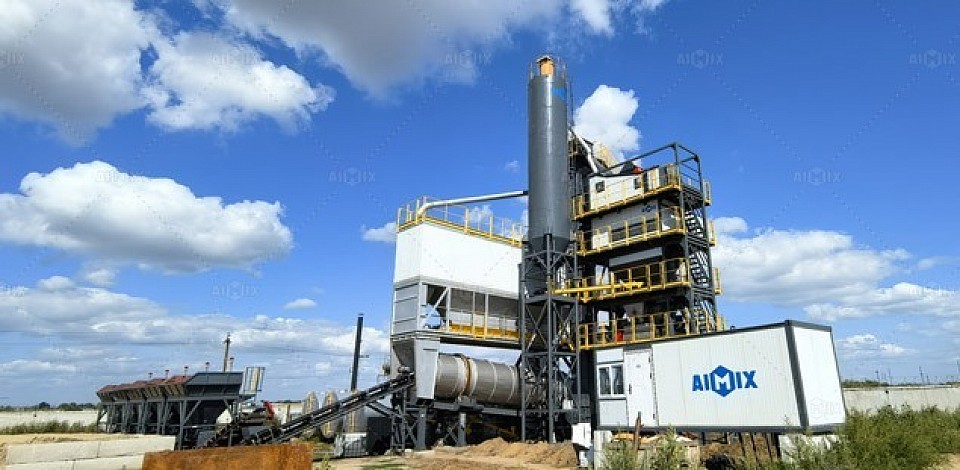
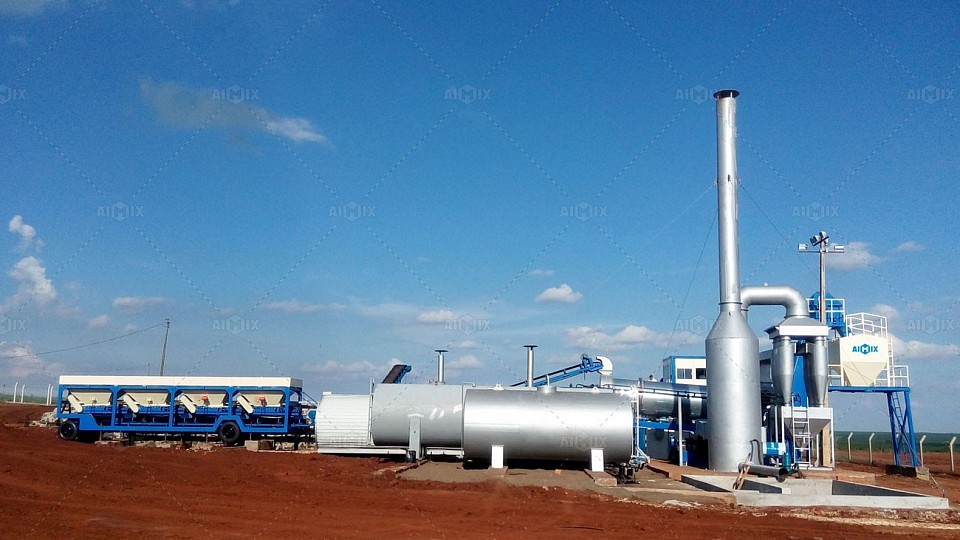
Buy or Lease? Comparison of Investment Paths for Asphalt Equipment in the Latin American Market
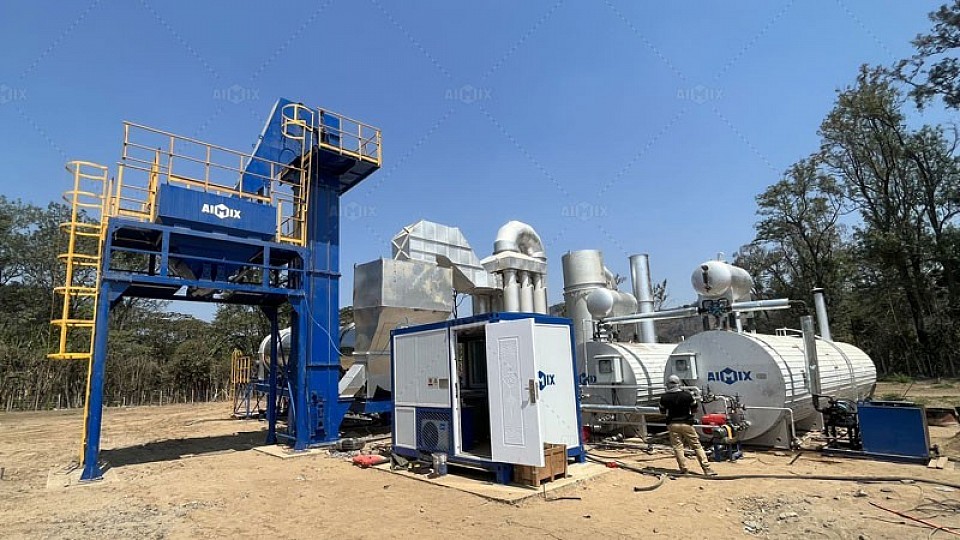
In the road and bridge construction industry, especially in Latin America, deciding whether to buy or lease asphalt equipment is a critical decision for many companies. With infrastructure projects growing rapidly across the region, businesses must assess the best way to secure asphalt plants and related machinery for their operations. Both buying and leasing have their advantages, depending on the size of the project, cash flow, and long-term business goals. This article explores the pros and cons of each approach, helping companies make an informed decision when purchasing asphalt equipment.
Understanding the Options: Buying vs. Leasing Asphalt Equipment
When considering an asphalt plant for sale(planta de asfalto en venta), companies must first evaluate the financial implications of buying versus leasing. Buying an asphalt plant involves a significant upfront cost, whereas leasing provides the flexibility of lower initial payments but includes ongoing costs over the term of the lease.
For businesses operating in asphalt plant Peru or other Latin American markets, these decisions can be heavily influenced by local economic conditions, market demand, and the availability of financing options. It is essential to weigh both the financial and operational benefits before making a final decision.
1. Benefits of Buying Asphalt Equipment
Ownership and Long-Term Investment
The primary advantage of purchasing asphalt equipment is ownership. When you buy an asphalt plant for sale, the equipment becomes an asset, adding value to your business. This can be especially beneficial in the long term, as you won’t need to worry about ongoing lease payments or the terms of a rental agreement. Additionally, owning the plant means that you can use it as collateral for future loans or investments.
For large-scale, long-term infrastructure projects, owning an asphalt plant allows full control over its maintenance and operation. Companies are free to schedule maintenance on their terms and keep track of the parts of asphalt plant(partes de una planta de asfalto) that are critical for its performance. Owning the equipment also means you won't be subject to rising lease prices or changes in lease terms.
Economical for High-Volume Use
For businesses operating in markets like asphalt plant Peru, where there is constant demand for asphalt production, buying may be more economical. If the plant is expected to be in operation for many years, the upfront cost may be offset by the long-term production benefits. With consistent demand, owning the equipment can lead to significant cost savings compared to leasing, especially when factoring in repair and replacement costs over time.
2. Benefits of Leasing Asphalt Equipment
Lower Initial Investment
Leasing asphalt equipment offers a significant advantage in terms of lower upfront costs. For companies that need to conserve capital or are unsure of their long-term needs, leasing provides an affordable alternative to buying. This option allows businesses to access the latest equipment without making a large financial commitment upfront. For small or short-term projects, leasing may be the most cost-effective option.
Leasing also helps mitigate the risks associated with owning equipment, such as depreciation and the need for large maintenance budgets. Leasing companies often take care of repairs and provide maintenance services, which can reduce the overall operational burden for the business.
Flexibility and Upgrades
Leasing provides flexibility, allowing companies to upgrade their equipment when necessary. In regions where technology is advancing rapidly, such as in the Latin American market, leasing allows businesses to stay current with the latest asphalt mixing technology without the long-term commitment of ownership. If your needs change, you can easily switch to a different model without the hassle of selling or maintaining old equipment.
This flexibility is particularly important in dynamic markets where demand can fluctuate, or construction projects may not be long-term. A company that leases may avoid the risk of owning outdated or underutilized equipment, ensuring they only pay for what they need at any given time.
3. Factors to Consider When Deciding Whether to Buy or Lease Asphalt Equipment
Financial Stability and Project Duration
One of the most important factors in the decision to buy or lease asphalt equipment is financial stability. If your company has strong cash flow and plans to use the equipment for several years, buying may be a more viable option. However, if the company is just starting or only needs the equipment for a short-term project, leasing can be a better choice to preserve capital.
Another factor is the expected duration of the project. If your project timeline is long, it may make sense to invest in an asphalt plant for sale, as the cost of ownership will be spread out over many years of use. For shorter projects or fluctuating demand, leasing allows you to adapt quickly without being locked into a long-term commitment.
Maintenance and Operational Costs
Whether you buy or lease an asphalt plant, maintenance and operational costs are inevitable. When you own the equipment, you are responsible for the upkeep, which includes repair costs and the procurement of parts of asphalt plant.
However, owning gives you more control over when and how maintenance is performed, which can extend the life of the equipment. Leasing, on the other hand, often includes maintenance as part of the agreement, reducing the risk of unexpected repair costs. Depending on the lease terms, this can be a significant advantage, particularly for businesses that want to avoid the financial risk of equipment breakdowns.
Market Demand and Local Regulations
For businesses in the Latin American market, the decision to buy or lease asphalt equipment also depends on the local market's demand for asphalt and any regulatory factors. If a company in asphalt plant Peru(planta de asfalto Perú) is operating in a market with frequent infrastructure development projects, owning equipment may provide a steady stream of income and avoid reliance on rental agreements. Conversely, in markets with irregular demand, leasing provides the flexibility to scale operations up or down based on project needs.
Conclusion
Deciding whether to buy or lease asphalt equipment in the Latin American market requires a careful assessment of your company’s financial health, project requirements, and long-term business goals. Buying provides long-term ownership and cost savings for high-volume, extended use, while leasing offers flexibility, lower upfront costs, and less financial risk for short-term or smaller projects.
Ultimately, the best choice depends on your specific operational needs and financial situation. By understanding the pros and cons of both options, businesses can make an informed decision that best supports their goals in the road and bridge construction industry. Whether you are considering purchasing an asphalt plant for sale or leasing equipment, ensuring that your investment path aligns with your project timeline and market demand is crucial for maximizing profitability.
The Demand for Mobile Asphalt Plants in Small and Medium-Sized Projects Is Exploding
In recent years, the road and bridge construction industry has witnessed a significant shift in how asphalt is produced and delivered on-site. As infrastructure development expands into rural areas, urban fringes, and shorter project timelines become the norm, mobile asphalt plants have quickly emerged as a preferred solution. The rising popularity of these plants is particularly evident in small and medium-sized projects, where flexibility, speed, and cost-efficiency are essential.
From municipal road repairs to parking lots and rural highway sections, contractors are increasingly turning away from traditional stationary models in favor of portable solutions that meet today’s construction demands.
Why Mobile Asphalt Plants Are Gaining Ground
The growth in small and mid-scale infrastructure projects has created a new set of requirements that traditional asphalt plant setups struggle to fulfill. Mobile plants(Planta de asfalto movil precio), often mounted on wheels or skids, are designed for rapid deployment and ease of transport, making them ideal for decentralized or temporary job sites.
Beyond portability, mobile plants now offer performance levels that rival their larger, stationary counterparts. Modern models are equipped with advanced control systems, environmental safeguards, and modular designs—enabling contractors to achieve high-quality asphalt production with minimal on-site setup.
Key Factors Driving the Surge in Demand
1. Urban and Rural Infrastructure Expansion
Governments and local authorities across developing regions are investing heavily in road upgrades and expansions. These projects often consist of multiple small sections spread across a wide geographic area, which makes centralized production inefficient. A mobile asphalt plant offers the unique advantage of moving from site to site without sacrificing production capacity or material quality.
This mobility significantly reduces transportation time and costs associated with hauling asphalt from a distant stationary plant. It also improves paving temperature control, ensuring better compaction and durability of the finished surface.
2. Shorter Project Timelines and Quick Turnarounds
Contractors working on smaller projects often operate under tight schedules. Time lost transporting material, setting up a traditional asphalt plant(planta asfáltica), or waiting for batch deliveries can lead to project delays and financial penalties. A mini asphalt plant or compact mobile unit can be up and running within days, allowing teams to start production and paving without delay.
This is especially advantageous for night work, emergency repairs, or remote locations where logistics are more challenging.
3. Reduced Capital Investment for Startups and SMEs
Another reason for the explosion in demand is that mobile asphalt plants offer a more affordable entry point into asphalt production. Compared to large-scale stationary asphalt plants, mobile units require a smaller upfront investment and offer quicker ROI for small and medium-sized enterprises.
This has opened the market to a wider range of contractors who can now offer asphalt paving services without relying on third-party suppliers. Owning a plant also improves scheduling flexibility and overall quality control.
Comparing Mobile Plants to Stationary Options
1. Flexibility vs. Capacity
Stationary asphalt plants are unmatched when it comes to high-capacity production. However, for many small to medium-sized projects, this level of output isn’t necessary. A mini asphalt plant(mini planta asfaltica) or mobile solution delivers adequate production volume while offering unmatched flexibility.
Contractors can adjust location, plant configuration, and mix design with much greater agility, tailoring their operations to each job site.
2. Setup and Relocation
Traditional plants may take weeks or even months to fully install, requiring large plots of land and complex infrastructure. In contrast, mobile plants can be deployed on relatively compact sites with minimal ground preparation. Relocating a mobile plant is also faster and less expensive, making them suitable for projects with rolling start points.
3. Maintenance and Environmental Considerations
Modern mobile plants are built with sustainability in mind, featuring improved dust collection, lower emissions, and energy-efficient burners. Maintenance is also simplified, with modular components that are easier to access and replace.
These improvements have helped shift the perception of mobile units from temporary stopgaps to reliable long-term solutions in road construction.
Applications Beyond Traditional Road Projects
While the primary application of mobile asphalt plants remains road and bridge construction, their versatility has led to growing use in:
- Airport runway maintenance
- Parking lot paving
- Residential development roads
- Municipal street resurfacing
- Industrial facility upgrade
Each of these scenarios benefits from the plant’s mobility, speed, and compact design—especially when only small batches of asphalt are needed.
Conclusion
The demand for mobile asphalt plants is experiencing explosive growth due to their unmatched adaptability, cost-efficiency, and compatibility with small and medium-sized projects. Whether you're a new contractor entering the asphalt industry or an experienced firm looking to expand your operations, investing in a mini asphalt plant or mobile unit can give you a decisive edge.
As the infrastructure landscape continues to evolve—favoring localized, fast-paced construction over massive, centralized builds—asphalt plant technology must follow suit. Mobile plants are not just a trend; they are rapidly becoming a necessity for the future of efficient road construction.
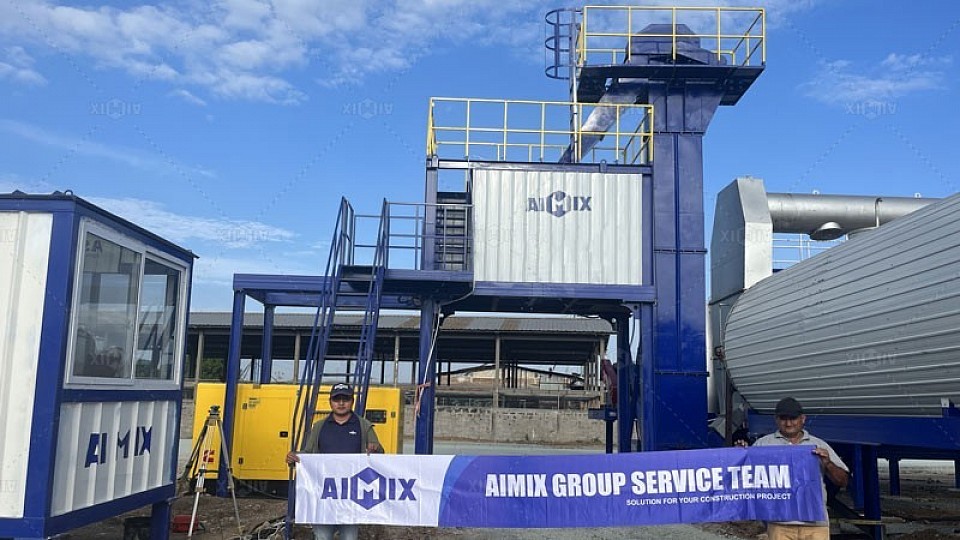
Understand the Price of Asphalt Plants and the Advantages of Intelligent Control Systems
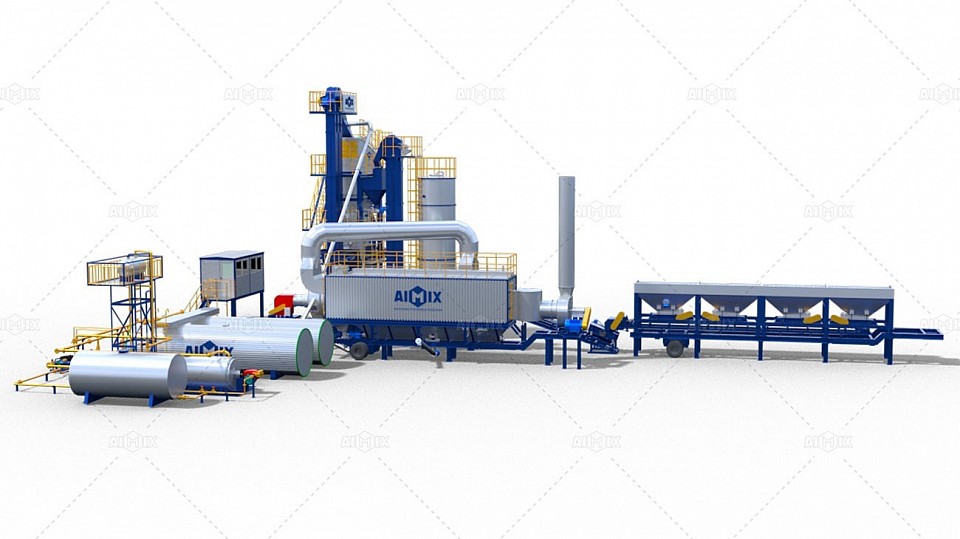
The construction industry, especially road and bridge construction, relies heavily on efficient equipment to ensure quality, cost-effectiveness, and timely completion of projects. One of the most essential machines in this sector is the asphalt plant. These plants are responsible for producing the asphalt mix used in road paving. But with the variety of options available, such as the hot mix asphalt plant and the drum mix asphalt plant, understanding the price and choosing the right plant for your needs is crucial. Moreover, the integration of intelligent control systems in modern asphalt plants has introduced new levels of efficiency and convenience. In this article, we will delve into asphalt plant pricing and highlight the advantages of intelligent control systems.
Asphalt Plant Price: Factors to Consider
The price of an asphalt plant(precio de planta de asfalto) varies significantly depending on a variety of factors. Typically, the cost of an asphalt plant is influenced by its size, capacity, type, and the technology incorporated into its design. A small-scale plant designed for local projects might cost considerably less than large, high-capacity plants used for major highway projects.
Another critical factor affecting the asphalt plant price is the type of plant. For instance, the price of a hot mix asphalt plant is usually higher than that of a simpler, smaller model because it offers better efficiency and produces higher-quality asphalt. Furthermore, the inclusion of advanced technologies such as intelligent control systems can also increase the price of the equipment. Additional factors include the cost of shipping, installation, and maintenance. Buyers should also consider any long-term operational costs, including fuel and labor, as these can affect the overall cost of ownership.
Types of Asphalt Plants: Hot Mix vs. Drum Mix
Asphalt plants come in different configurations, and two of the most common types are the hot mix asphalt plant(planta de asfalto en caliente) and the drum mix asphalt plant. Both types are designed to produce high-quality asphalt, but their processes and efficiencies differ.
Hot Mix Asphalt Plant
A hot mix asphalt plant is one of the most commonly used types in large-scale road construction projects. This type of plant heats the aggregates and mixes them with bitumen in a separate drum or mixing tower before the asphalt is sent to the paver. Hot mix plants are capable of producing asphalt in a wide range of temperatures, ensuring high-quality results. While hot mix plants are highly efficient, they come at a higher price point due to the complex technology involved in their operation.
Drum Mix Asphalt Plant
On the other hand, a drum mix asphalt plant(planta de asfalto continua) is generally more cost-effective. It combines the mixing and heating processes into one continuous drum. This design results in a more simplified operation with fewer components, making it easier to maintain and operate. While the drum mix asphalt plant may not offer the same level of precision in mixing as a hot mix plant, it is suitable for smaller projects and is typically more affordable.
Both types of plants are widely used in road and bridge construction, and the choice between the two depends on the specific requirements of the project.
The Advantages of Intelligent Control Systems in Asphalt Plants
The integration of intelligent control systems into asphalt plants has significantly transformed the way these machines operate. These advanced systems enhance both the efficiency and the quality of asphalt production. Below are some of the main advantages of using intelligent control systems in asphalt plants.
1. Improved Precision and Consistency
One of the major benefits of intelligent control systems is their ability to provide precise control over the asphalt production process. These systems can automatically adjust the mix ratio, temperature, and other parameters based on real-time data. As a result, the consistency of the asphalt produced is significantly improved, which is critical for road construction projects that require high-quality, durable materials.
2. Reduced Operator Errors
Traditional asphalt plants required operators to manually adjust settings, which could lead to errors and inconsistencies in the final product. Intelligent control systems, however, use algorithms to make adjustments automatically, reducing the potential for human error. This ensures that the asphalt mix is always produced according to the specified requirements.
3. Increased Efficiency and Cost Savings
Intelligent control systems optimize the overall operation of the asphalt plant. For example, they can monitor fuel consumption and adjust processes to minimize waste, resulting in lower operational costs. Additionally, the systems can provide real-time insights into the plant’s performance, helping operators make data-driven decisions to improve efficiency.
4. Remote Monitoring and Control
With intelligent control systems, asphalt plants can be monitored and operated remotely, which adds an extra layer of convenience. Operators can oversee the plant’s operation from a distance, making it easier to identify potential issues and address them before they cause significant delays or breakdowns.
5. Enhanced Environmental Performance
Modern asphalt plants with intelligent control systems can also help reduce environmental impact. These systems optimize the combustion process, ensuring that emissions are minimized. Additionally, the ability to closely monitor and control production processes ensures that raw materials are used efficiently, reducing waste and making the plant more eco-friendly.
Conclusion
The price of an asphalt plant is influenced by several factors, including the type of plant, its capacity, and the technologies incorporated. When it comes to road and bridge construction, the investment in a hot mix asphalt plant or a drum mix asphalt plant can pay off in terms of efficiency, quality, and durability. Furthermore, integrating intelligent control systems into these plants offers numerous benefits, from improved precision and reduced operator errors to enhanced environmental performance and cost savings.
Understanding the price and the advantages of advanced technologies such as intelligent control systems can help construction companies make informed decisions and choose the right equipment for their needs. With the right plant and technology, road and bridge projects can be completed more efficiently and with higher-quality results.
Comparison of Long-Term Costs of Buying and Renting Asphalt Plants
When working on large-scale road and bridge construction projects, one of the key decisions contractors face is whether to buy or rent an asphalt plant. Both options come with their advantages and disadvantages, and the decision can have a significant impact on the project's long-term budget. In this article, we'll compare the long-term costs associated with buying and renting asphalt plants, helping you determine the best option for your specific needs.
Before diving into the specifics, it’s important to understand that the decision to buy or rent depends largely on the scale and frequency of your construction projects. Whether you're looking to invest in an asphalt batch plant for a long-term project or rent a drum mix asphalt plant for a temporary job, the cost implications will differ significantly based on your unique situation.
Upfront Investment and Financing
The first major factor in comparing the long-term costs of buying and renting an asphalt plant is the upfront investment. Buying an asphalt plant typically requires a significant capital expenditure. For example, an asphalt plant price(planta de asfalto precio) can range from tens of thousands to several million dollars, depending on the type and capacity of the plant. While this may seem like a substantial investment, buying provides long-term ownership and the potential for continuous use on multiple projects.
In contrast, renting an asphalt plant usually requires a lower upfront cost. Rental agreements often involve paying a monthly or annual fee that is based on the plant's type and size. This can be a more manageable option for smaller companies or projects with limited budgets, as it allows you to avoid the large initial capital outlay.
However, while the upfront costs of renting are lower, they can add up over time. If you rent an asphalt plant for multiple years or for several large projects, the cumulative cost can quickly exceed the cost of purchasing the equipment outright. It’s essential to consider the rental term and evaluate whether purchasing the plant would provide a better return on investment.
Maintenance and Operating Costs
When you buy an asphalt plant, you're responsible for all ongoing maintenance and operating costs. This includes routine servicing, parts replacement, fuel, and labor costs. Maintenance for an asphalt batch plant or drum mix asphalt plant(planta de asfalto continua) is crucial for ensuring optimal performance and longevity. Over time, these maintenance expenses can accumulate, particularly if the plant is used frequently.
However, by owning the equipment, you can control maintenance schedules, choose high-quality parts, and ensure the plant operates efficiently. In the long run, buying can be more cost-effective if the plant is used consistently across multiple projects.
On the other hand, when you rent an asphalt plant, the maintenance costs are typically covered by the rental company. This can be a significant advantage, as it eliminates the need for your team to handle maintenance or unexpected repairs. Rental companies often provide well-maintained equipment, so you can rely on the plant to function smoothly during your project. However, you should still factor in the cost of any maintenance-related downtime, as well as any potential repair fees that may arise during the rental period.
Depreciation and Resale Value
Another consideration when purchasing an asphalt plant is depreciation. Like most construction equipment, asphalt plants lose value over time. While you won’t be able to recoup the full initial investment, owning the plant allows you to sell it at a later date if your needs change. The resale value of an asphalt batch plant(planta de asfalto discontinua) or drum mix asphalt plant depends on the age, condition, and market demand for that specific type of equipment.
Renting, on the other hand, means you avoid the depreciation risk entirely. Since you don’t own the equipment, you won’t lose any value over time. This is a key advantage if your project is short-term or if you’re uncertain about future needs. However, the rental costs will continue to add up as long as you’re leasing the plant, which could be a significant financial burden in the long run.
Flexibility and Project Needs
The flexibility of renting versus buying an asphalt plant is another important factor to consider. Renting provides the flexibility to choose different types of plants for different projects. If you need a more compact plant for a smaller project or a high-capacity plant for a large infrastructure development, rental companies can offer a range of options to meet your specific needs. This flexibility can be valuable if your construction projects vary in size and scope.
When you buy an asphalt plant, you are limited to the plant's specifications and features, which may not be ideal for every project. For example, a drum mix asphalt plant is well-suited for high-production continuous mixing, but it might not be the best choice for smaller, batch-based jobs. If you foresee multiple types of projects in the future, renting could provide more versatility.
Long-Term Cost Considerations
Ultimately, the long-term cost of buying versus renting an asphalt plant depends on the frequency of use and the duration of the project. If your company is engaged in several long-term road or bridge construction projects over the years, purchasing an asphalt plant could be the more economical choice. The initial investment may be high, but the total cost per project will decrease over time as the plant is used consistently.
For companies with less frequent or short-term needs, renting may be the better option. The rental cost provides an opportunity to access high-quality equipment without the financial burden of ownership. However, renting becomes less cost-effective over time if the plant is used for extended periods.
Conclusion
In conclusion, both buying and renting an asphalt plant have their advantages and drawbacks. The decision ultimately depends on the specific needs of your project, budget, and long-term goals. Buying an asphalt plant offers ownership, potential resale value, and greater control over maintenance, but it requires a significant upfront investment. Renting, on the other hand, offers flexibility and lower initial costs, but the cumulative rental fees can add up over time.
By carefully considering the nature of your construction projects and assessing the total cost of ownership versus rental fees, you can make an informed decision that aligns with your business objectives.
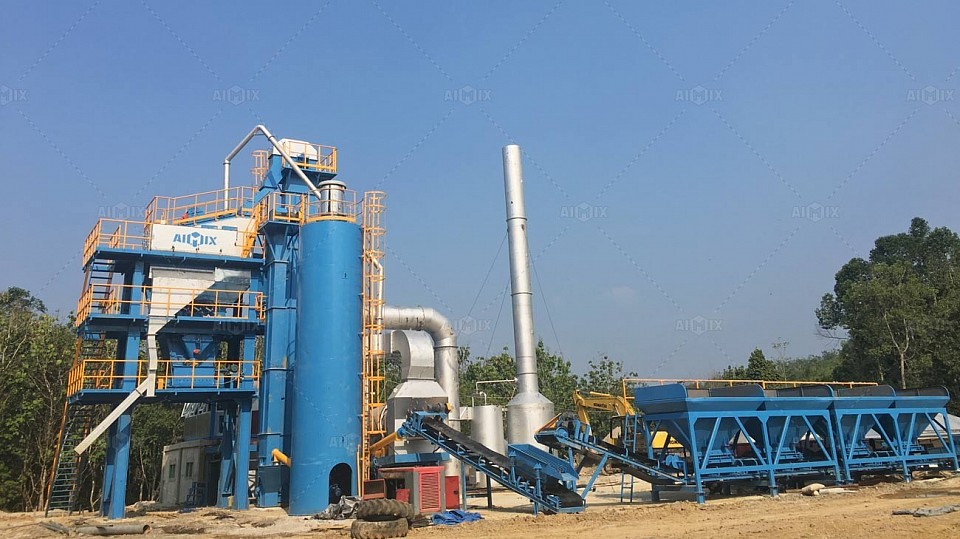
What Licenses Should Be Obtained to Install an Asphalt Plant?
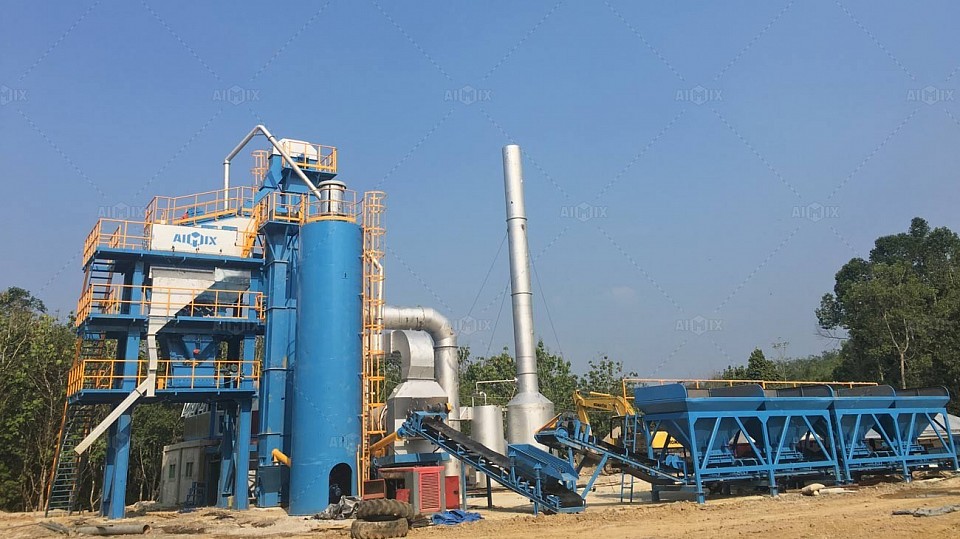
Installing an asphalt plant is a significant investment for any road and bridge construction project. These plants are crucial for producing high-quality asphalt for paving, and their installation requires careful planning and compliance with a range of regulations. Before setting up an asphalt plant, contractors and businesses must obtain the necessary licenses and permits to ensure the plant operates legally and efficiently. In this article, we will explore the key licenses and regulatory requirements for installing an asphalt plant.
Licensing and Permitting Requirements for Asphalt Plants
Asphalt plants for sale(planta de asfalto en venta) are subject to various local, state, and federal regulations to ensure that their operations do not pose risks to the environment, public health, or safety. Securing the appropriate licenses is essential to avoid legal issues, fines, or delays in the installation process. The exact requirements can vary depending on the location, the type of asphalt plant being installed (whether it's a mini asphalt plant or a larger facility), and the scale of the construction project.
1. Environmental Permits
One of the most important licenses required for installing an asphalt plant is an environmental permit. Asphalt production generates air emissions, dust, and sometimes noise, which can have a significant environmental impact if not properly managed. In many jurisdictions, asphalt plants are regulated under local and national environmental laws.
The key environmental permits that may be required include:
- Air Quality Permit: Asphalt plants are known for their air emissions, primarily from the combustion process and the heating of aggregates. Depending on the location and the scale of the plant, operators may need to obtain an air quality permit to limit emissions of particulate matter, volatile organic compounds (VOCs), and other pollutants.
- Water Discharge Permit: If the asphalt plant will discharge water into nearby water sources, such as rivers or lakes, an additional water discharge permit may be required to ensure that the plant complies with local water quality standards.
- Noise Control Permits: Since asphalt plants can be noisy, local governments may require noise control permits to limit the impact of plant operations on nearby residential or commercial areas. This is especially important for larger plants in urban or suburban settings.
2. Zoning and Land Use Permits
Before installing an asphalt plant for sale, businesses must ensure that the proposed location is zoned for industrial use. Zoning laws dictate what types of activities can be carried out in specific areas, and asphalt plants(partes de una planta de asfalto) may be restricted to certain industrial zones. A zoning permit is typically required to verify that the site is appropriate for an asphalt plant installation.
Factors to consider when applying for zoning permits include:
Proximity to Residential Areas: Asphalt plants must be located far enough from residential areas to minimize the impact of emissions and noise.
Traffic Impact: The plant will likely increase traffic in the area, particularly for the transportation of raw materials and finished asphalt. A traffic impact assessment may be required to evaluate and mitigate these effects.
3. Health and Safety Permits
Health and safety permits are essential for ensuring that the installation and operation of the asphalt plant meet occupational safety standards. The Occupational Safety and Health Administration (OSHA) in the U.S. sets guidelines to ensure the safety of workers operating in hazardous environments, including asphalt plants.
Key health and safety considerations include:
- Fire Safety: Asphalt plants involve the use of flammable materials, so proper fire safety measures must be in place. This includes fire suppression systems, emergency exits, and fire safety training for employees.
- Worker Protection: Workers at asphalt plants may be exposed to fumes, hot surfaces, and heavy machinery. It is essential to obtain a worker safety permit and implement protective measures such as ventilation systems, personal protective equipment (PPE), and regular safety training.
4. Construction and Installation Permits
Once the environmental and zoning permits are in place, construction permits must be obtained before installation can begin. These permits typically cover the physical construction and installation of the plant, including the foundation, infrastructure, and necessary utilities. Construction permits ensure that the plant’s installation meets all local building codes and safety regulations.
The construction permit process may involve:
- Site Evaluation: A thorough evaluation of the site to ensure that the foundation can support the weight of the plant and that it complies with local building codes.
- Utility Connections: Asphalt plants require connections to water, electricity, and possibly natural gas or other fuels. Permits will be needed to ensure these connections are made safely and in compliance with local regulations.
5. Business and Operating Licenses
In addition to the specialized permits mentioned above, businesses operating an asphalt plant must also obtain the appropriate business licenses. These licenses vary by region and are necessary for legally operating any business. In many cases, an operating license will also be required to legally run the asphalt plant itself.
Some common business licenses needed include:
- Business Registration: A general business license to legally operate the asphalt plant.
- Sales Tax Permit: If the plant is involved in selling asphalt directly to customers, a sales tax permit may be necessary to collect and remit sales tax.
6. Local and State Regulations
In addition to federal permits, each state or municipality may have its own set of regulations governing asphalt plants. For example, some regions may have additional noise, traffic, or emission control regulations that must be followed. Local governments may also have specific zoning rules that restrict the installation of new industrial facilities like asphalt plants in certain areas.
Conclusion
Obtaining the necessary licenses and permits is a critical step in the process of installing an asphalt plant. Ensuring that you meet environmental, zoning, health, safety, and construction requirements will not only help avoid fines and delays but also ensure that the plant operates legally and efficiently. Whether you are installing a mini asphalt plant(mini planta de asfalto) for a small project or a larger facility for a major road construction endeavor, careful attention to the licensing process is essential for a smooth and successful installation.
By understanding and securing the appropriate licenses, businesses can mitigate risks and ensure that their asphalt plant operates within the bounds of the law while contributing to the success of road and bridge construction projects.
Applicable Scenarios of Different Types of Asphalt Plants
Asphalt plants are essential in road and bridge construction, producing the asphalt needed to build durable and smooth road surfaces. Depending on the scale, project requirements, and mobility needs, various types of asphalt plants are used. These plants differ in their production methods, capacities, and operational features. In this blog post, we will explore the applicable scenarios for different types of asphalt plants, including stationary plants, drum mix continuous asphalt plants, and mobile asphalt plants. Each type of plant offers unique benefits suited to specific project demands, making it crucial to choose the right one for your construction needs.
Stationary Asphalt Plants
1. Ideal for Large-Scale, Long-Term Projects
Stationary asphalt plants(planta de asfalto) are typically used in large-scale, long-term road and bridge construction projects. These plants are fixed at a specific location, offering high production capacities and efficiency. Stationary plants are designed to handle large quantities of asphalt, making them ideal for projects where a consistent and high volume of asphalt is required over an extended period.
The stationary asphalt plant is equipped with advanced mixing technologies and high-capacity silos, making it a preferred choice for government road projects, highways, and urban infrastructure developments. They are often used in projects where high-quality asphalt is needed, and the plant can operate continuously for months or even years without requiring relocation.
2. Cost-Effective for High-Volume Production
Due to their high capacity and efficiency, stationary plants are also more cost-effective for projects that demand high volumes of asphalt. The stationary setup allows for more efficient production, reducing the overall cost per ton of asphalt produced. This makes it a preferred option for large construction companies working on extensive road networks, airports, or bridge decks where large quantities of asphalt are needed at a steady pace.
Drum Mix Continuous Asphalt Plants
1. Best for Continuous Production and High Output
The drum mix continuous asphalt plant(planta de asfalto continua) is another popular type used in the industry, especially for projects that require continuous and consistent production. Unlike batch plants, drum mix plants continuously mix the aggregates and bitumen, allowing for a steady output of asphalt. This type of plant is often used in projects where quick turnaround times are essential and high production rates are necessary.
2. Suitable for High-Traffic Road Construction
The drum mix continuous asphalt plant is particularly useful for high-traffic road construction projects where large volumes of asphalt need to be produced quickly. These plants can operate 24/7 without the need for interruptions between batches, ensuring that a steady supply of asphalt is available for paving operations. They are ideal for highways, expressways, and other large infrastructure projects, where time constraints and production efficiency are critical.
3. Minimal Maintenance and Durability
A key advantage of the drum mix continuous asphalt plant is its durability and low maintenance requirements. The continuous mixing process reduces wear and tear on the plant components, making it a robust option for long-term operations. This plant is designed for reliability, providing consistent output with minimal downtime for maintenance. Therefore, it’s particularly useful for large-scale infrastructure projects where maintaining a constant asphalt supply is paramount.
Mobile Asphalt Plants
1. Flexibility and Mobility for Smaller-Scale Projects
Mobile asphalt plants offer flexibility and mobility, making them ideal for smaller-scale road and bridge construction projects. These plants can be easily transported from one job site to another, offering significant advantages in projects that require frequent relocation or where space is limited. Mobile asphalt plants(planta de asfalto movil precio) are compact and can be set up and disassembled quickly, allowing for a faster project start and completion.
2. Ideal for Remote or Temporary Projects
One of the most notable benefits of mobile asphalt plants is their suitability for remote or temporary construction projects. For example, in rural areas, where infrastructure may be limited, or for short-term construction projects, mobile asphalt plants provide a practical solution. They are often used for local road repairs, rural infrastructure development, and projects in locations where building a stationary plant would be impractical.
Mobile asphalt plants are also a great choice for projects that have limited access to resources or require frequent site relocations. The compact nature of these plants ensures that they can fit into smaller spaces, making them perfect for urban or constrained environments.
3. Cost-Effective for Small and Medium-Sized Projects
For contractors working on small or medium-sized projects, the mobile asphalt plant offers a cost-effective solution. Since these plants are typically smaller and require less infrastructure, they are more affordable to purchase, transport, and set up compared to larger, stationary plants. For paving local roads, residential areas, or smaller highways, mobile plants can provide the asphalt needed without the higher costs associated with larger, stationary plants.
Conclusion
Choosing the right type of asphalt plant depends on the specific needs of the construction project. Stationary asphalt plants are ideal for large-scale, long-term projects that require high output and continuous production. The drum mix continuous asphalt plant is perfect for high-volume projects that require constant asphalt production without downtime, such as highways and expressways. On the other hand, mobile asphalt plants provide flexibility and mobility, making them perfect for smaller, temporary, or remote projects where transportation and quick setup are critical.
Whether you are working on a large infrastructure project or a smaller local development, selecting the right asphalt plant ensures that you can meet the production demands and project timelines while maintaining high-quality asphalt. By understanding the unique advantages of each type of plant, you can make an informed decision that best suits your construction needs.
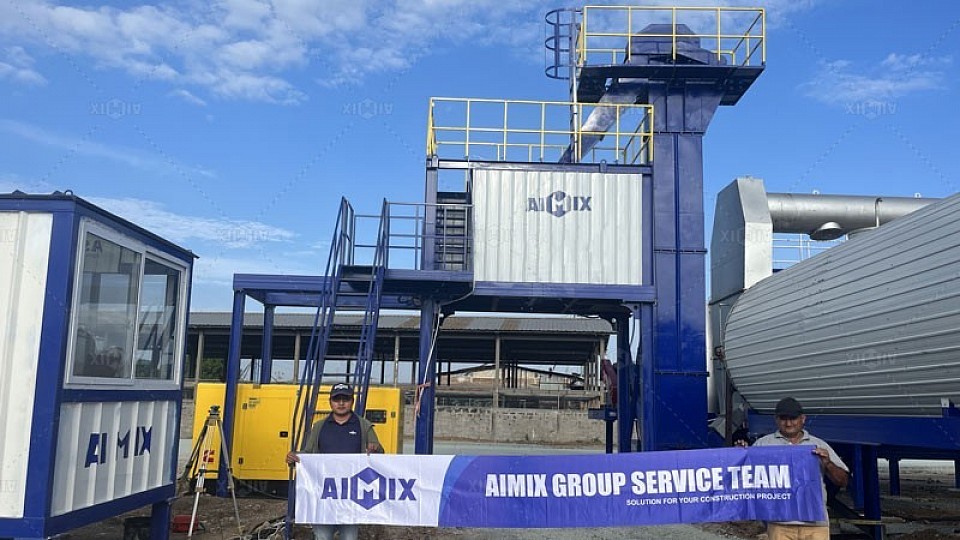
Production Capacity of Drum Mix Asphalt Plants
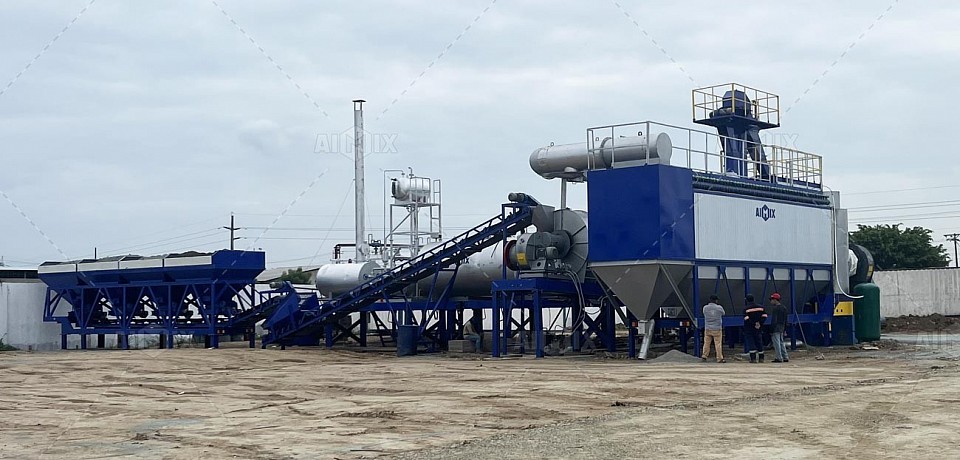
In the road and bridge construction industry, time is money. Project timelines are tight, and contractors require reliable equipment to deliver high-quality asphalt consistently. Among the most efficient solutions on the market is the drum mix asphalt plant, known for its continuous mixing process and relatively simple design. But one crucial factor to consider when selecting this type of plant is its production capacity. Understanding how production capacity is determined, what influences it, and how to choose the right size can help ensure smoother operations on construction sites.
Importance of Production Capacity in Asphalt Projects
Production capacity refers to how much asphalt mix a plant can produce in a given time—usually measured in tons per hour (TPH). In practice, this number dictates how fast a paving crew can work and whether project deadlines can be met without interruption. If the plant’s capacity falls short of project demands, delays and added costs are almost guaranteed. Conversely, investing in a plant with excessive capacity can lead to unnecessary operating costs and wasted resources.
That’s why matching the drum mix asphalt plant(planta de asfalto continua) production capacity with the scale of your road construction project is essential for both efficiency and profitability.
Factors That Influence Production Capacity
1. Drum Size and Burner Efficiency
The primary factor influencing the capacity of a drum mix asphalt plant is the size of its drying and mixing drum. Larger drums allow for greater material flow and longer residence times, enabling more asphalt to be produced per hour.
Burner efficiency also plays a role. A high-performance burner can maintain stable temperatures within the drum, allowing the plant to run at full capacity without compromising the quality of the mix.
2. Aggregate Moisture Content
Wet aggregates require more energy to dry, which can slow down production. If the input material has high moisture levels, the plant must spend additional time and fuel to bring the aggregates to the proper temperature. This reduces the actual output rate compared to the plant’s rated capacity.
3. Fuel Type and Ambient Conditions
External conditions such as ambient temperature and altitude can influence the drying efficiency of the drum. In colder climates or high-altitude areas, the asphalt plant may need to consume more energy, which could affect its throughput.
Likewise, fuel types—diesel, natural gas, or heavy oil—can impact combustion efficiency, further influencing production rates.
Common Capacity Ranges of Drum Mix Plants
Drum mix asphalt plants come in various sizes, suitable for everything from small-scale repairs to large highway projects. Typical production capacities range from:
- 20–40 TPH for small or mobile units, often referred to as mini asphalt plants(mini planta de asfalto). These are ideal for patching work, rural roads, or projects with limited space.
- 60–120 TPH for mid-sized plants, suitable for municipal or regional roadworks.
- 160–320+ TPH for large-scale projects, such as airport runways, national highways, or urban expressways.
Contractors seeking flexibility and mobility often choose a mini asphalt plant. Although smaller in capacity, these units offer quick installation, easy transport, and lower fuel consumption—making them perfect for short-term or geographically dispersed jobs.
Matching Plant Capacity to Project Requirements
Choosing the Right Size
Before purchasing a drum mix asphalt plant, it's important to assess the daily paving requirements of your project. For instance, if your crew is expected to lay 1,000 tons of asphalt per day, you would need a plant(partes de una planta de asfalto) that can consistently produce at least 120–150 TPH to maintain smooth operations, including downtime for maintenance and restocking materials.
Avoiding Overcapacity
While it may seem wise to buy the biggest plant available, overestimating your needs can be counterproductive. Larger plants consume more fuel, require bigger transport equipment, and need more storage space—all of which translate into higher operational costs. A properly sized asphalt plant provides the best balance between output and cost-efficiency.
Conclusion
The production capacity of a drum mix asphalt plant is one of its most defining features and plays a central role in road and bridge construction projects. From the drum size and burner efficiency to external environmental factors and aggregate quality, many variables influence how much asphalt mix the plant can produce.
Contractors should carefully consider their typical job sizes and location challenges before selecting a plant. Whether opting for a high-output unit or a mini asphalt plant for nimble operations, choosing the right capacity ensures on-time delivery, reduced waste, and lower production costs. With the right planning and investment, your asphalt plant can become a powerful asset for completing infrastructure projects quickly and efficiently.