
Concrete Plant
What are the benefits of mixing concrete on site?
Mixing concrete on site is becoming an increasingly popular choice in the construction industry due to its many advantages. Whether you're constructing a small residential building or a large commercial project, having control over the mixing process can yield significant benefits. In this blog post, we'll explore the key reasons why mixing concrete on site can be a game-changer for your construction projects.
1. Cost Efficiency
One of the most significant benefits of mixing concrete on site is the cost savings it offers. By using a concrete mixer plant(planta hormigonera), you can avoid the costs associated with transporting ready-mixed concrete from a supplier. In many cases, the transportation costs for ready-mix concrete can be substantial, especially if the project site is located in a remote area or far from the supplier's plant.
When you have a concrete plant for sale or own a mobile concrete batching plant, you can produce the exact amount of concrete you need for the project, eliminating the risk of over-ordering or under-ordering. This precision allows for better budget management and reduces waste.
2. Flexibility and Control
On-site concrete mixing gives contractors complete control over the quality and consistency of the concrete. With a concrete plant, you can adjust the mix based on the specific requirements of the project. For example, if the weather changes unexpectedly or the job site conditions vary, you can tweak the mix to ensure the concrete performs optimally. This flexibility can be particularly important for projects that require high-strength concrete or special additives.
Moreover, the ability to mix concrete on site ensures that the project can continue without delays. You are no longer reliant on third-party suppliers who may be affected by traffic, weather conditions, or other logistical issues that could delay delivery.
2.1 Quality Assurance
Having control over the mixing process also means you can ensure that the concrete meets the exact specifications required. With a concrete mixer plant, you can monitor the mixing process closely, ensuring that all materials are properly blended. This reduces the risk of inconsistent batches, which could affect the structural integrity of your construction.
3. Reduced Environmental Impact
By mixing concrete on site, you can significantly reduce the environmental impact of your project. Ready-mix concrete often involves transportation, which contributes to carbon emissions. By using a concrete plant on-site, you can minimize transportation needs and reduce your project's carbon footprint.
In addition, on-site mixing allows for better management of waste materials. Leftover concrete can be reused on-site or disposed of in an environmentally friendly manner, which is harder to do with ready-mix concrete deliveries.
4. Faster Project Completion
Speed is crucial in the construction industry, and mixing concrete on-site can speed up the entire process. Instead of waiting for ready-mix concrete to be delivered, you can start pouring concrete as soon as it's needed. This eliminates waiting time and ensures the project progresses without unnecessary delays.
Having access to a concrete plant for sale(venta de planta de concreto) or a portable batching plant can be a game-changer for meeting deadlines. Since you produce the concrete as needed, there’s no risk of the material drying out while waiting for delivery. The mix is always fresh and ready to go, ensuring optimal quality and performance.
4.1 Flexibility in Scheduling
Since you are not dependent on delivery schedules from external suppliers, you can have concrete mixed and poured whenever it is required. This flexibility allows you to keep the project on track and prevent delays from affecting the timeline.
5. Scalability for Larger Projects
For larger construction projects that require significant amounts of concrete, having your own concrete mixer plant on site is invaluable. It ensures that the construction team has a continuous supply of fresh concrete, reducing downtime and the risk of project delays. With a larger concrete plant(planta de concreto Perú), you can also scale up production as needed, ensuring that all areas of the site receive concrete at the right time.
In addition, mixing concrete on-site for large projects ensures that every batch is consistent, which is crucial for meeting structural and safety standards. This is especially important for projects like bridges, highways, or high-rise buildings, where the concrete must meet precise strength and durability specifications.
Conclusion
Mixing concrete on site offers a range of benefits that can help construction companies save money, maintain control over quality, reduce environmental impact, and speed up project completion. Whether you’re using a concrete plant for sale or investing in your own concrete mixer plant, the flexibility and control it provides can make a significant difference in your project's success.
If you're considering mixing concrete on site, be sure to research your options carefully to find the best equipment for your needs. A concrete plant can help you manage your resources more efficiently and keep your projects running smoothly, ensuring that your construction deadlines are met without compromising quality.
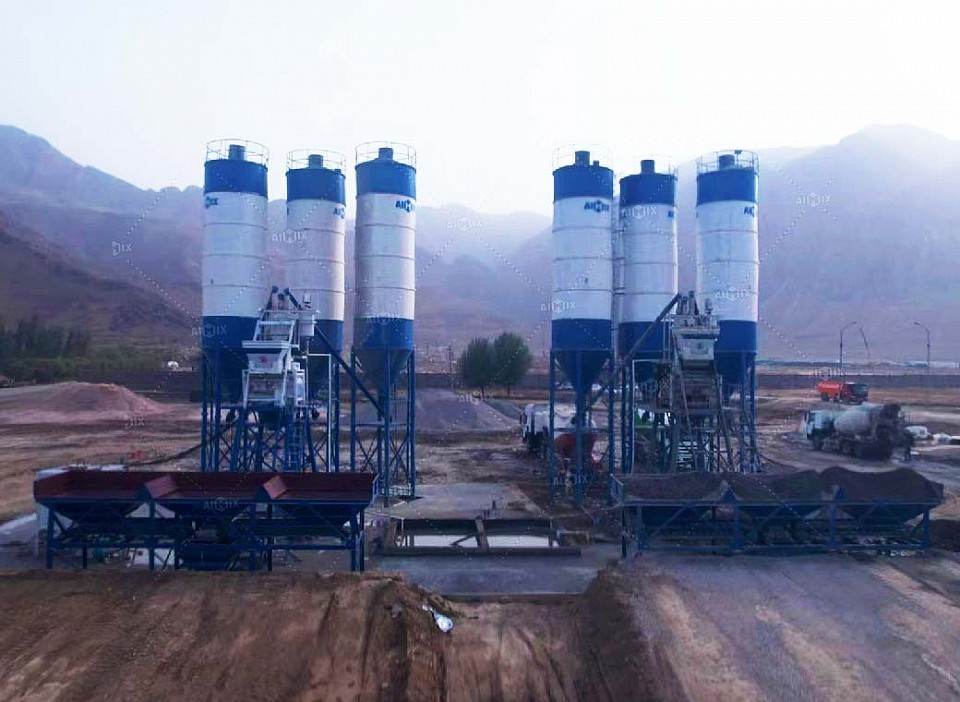
How to Calculate the Personnel and Operating Costs of a Concrete Plant?
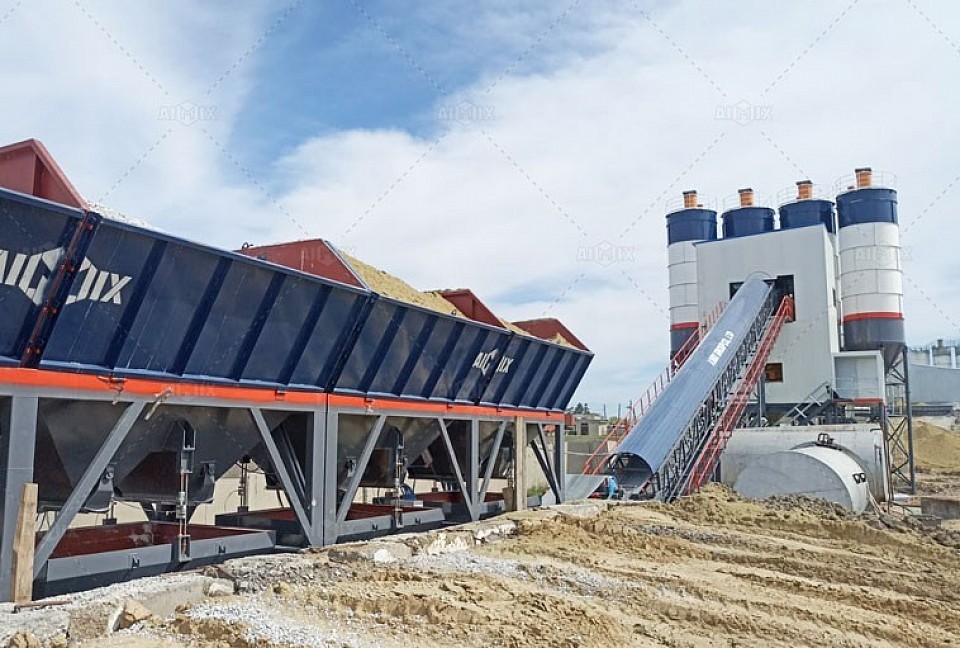
Running a concrete batching plant efficiently requires a clear understanding of the costs involved, especially personnel and operating expenses. These costs directly impact the profitability and sustainability of the business. Whether you operate a large facility or a small type concrete plant, accurately calculating these expenses helps in budgeting and long-term planning. This article breaks down the key cost components to consider.
Personnel Costs in a Concrete Plant
Labor is a major expense in any concrete batching plant(planta dosificadora de concreto precio). Understanding the staffing requirements and their associated costs is crucial for optimizing operations.
1. Number of Employees Required
The number of workers depends on plant size and automation level. A small type concrete plant(planta de concreto pequeña) with a high degree of automation may need fewer operators, while larger plants require more personnel for supervision, maintenance, and quality control.
2. Wages and Benefits
Labor costs vary by region and employee experience. Salaries for plant operators, technicians, and quality control personnel should be factored in. Additionally, benefits like insurance, bonuses, and overtime payments contribute to total labor expenses.
3. Training and Safety Costs
Regular training ensures workers operate the machinery efficiently and maintain safety standards. Investment in safety equipment and compliance with regulations also adds to personnel costs but helps prevent accidents and downtime.
Operating Costs of a Concrete Plant
Apart from labor, various operational expenses influence the overall concrete batching plant price. These costs must be carefully evaluated to maximize efficiency.
1. Raw Materials and Storage
The main raw materials—cement, sand, aggregates, water, and additives—account for a significant portion of the costs. Storage facilities and material wastage also impact the overall expenses. Efficient inventory management helps reduce unnecessary spending.
2. Energy and Utilities
Electricity consumption varies depending on the plant’s capacity and operating hours. Water usage, fuel for transportation, and heating or cooling requirements also contribute to operational costs. Energy-efficient equipment can help reduce long-term expenses.
3. Equipment Maintenance and Repairs
Regular maintenance prevents unexpected breakdowns and prolongs the lifespan of plant machinery. Spare parts, lubricants, and repair services should be factored into the budget to ensure uninterrupted operations.
4. Transportation and Logistics
If the plant supplies concrete to construction sites, transportation costs for raw materials and finished products must be considered. Fuel, vehicle maintenance, and delivery efficiency impact the overall cost structure.
5. Permits and Compliance Fees
Operating a concrete batching plant(planta dosificadora de concreto) requires adherence to environmental and safety regulations. Permit fees, environmental impact assessments, and compliance with local laws add to operational expenses.
Strategies to Optimize Costs
To improve profitability, plant owners should focus on cost-saving measures without compromising quality.
1. Investing in Automation
Automated batching systems reduce labor dependency, improve accuracy, and minimize material wastage, leading to long-term savings.
2. Efficient Resource Management
Proper scheduling of raw material deliveries and production batches minimizes downtime and waste, keeping costs under control.
3. Preventive Maintenance
Regular maintenance reduces repair costs and extends the lifespan of equipment, ensuring smooth operations with minimal disruptions.
4. Energy Optimization
Using energy-efficient motors, optimizing power usage, and considering renewable energy sources can significantly reduce utility expenses.
Conclusion
Calculating the personnel and operating costs of a concrete batching plant is essential for financial planning and business success. By carefully analyzing labor expenses, material costs, energy consumption, and maintenance needs, plant owners can develop strategies to improve efficiency and profitability. Whether managing a large plant or a small type concrete plant, optimizing cost factors ensures a competitive edge in the construction industry.
How to Test Parameters Such as Hardness of Ready-Mixed Concrete?
Testing the properties of ready-mixed concrete is essential to ensure its durability, strength, and suitability for construction projects. One of the most important parameters to assess is hardness, which directly impacts the concrete’s load-bearing capacity and longevity. Various testing methods are used to evaluate concrete quality, whether produced in a ready mix concrete plant, a mobile concrete plant, or a small type concrete plant. This article explores key concrete testing methods, focusing on hardness and related parameters.
Understanding Concrete Hardness
What Is Concrete Hardness?
Concrete hardness refers to its resistance to indentation, wear, and compressive forces. It is a critical factor in determining the material's ability to withstand heavy loads and environmental conditions. Hardness is closely related to compressive strength, one of the primary indicators of concrete quality.
Why Is Hardness Testing Important?
- Ensures the concrete meets structural requirements.
- Prevents premature failures in buildings, roads, and bridges.
- Helps adjust mix proportions at the ready mix concrete plant(planta de concreto premezclado) to improve performance.
- Assists in quality control during on-site applications, especially in projects using a mobile concrete plant.
Methods for Testing Concrete Hardness and Strength
1. Mohs Hardness Test
The Mohs hardness test measures concrete’s resistance to scratching by various materials. Although not a standard industrial method, it provides a quick indication of surface hardness. A concrete sample is scratched with materials of known hardness, and the hardest material that does not leave a mark determines its rating.
2. Schmidt Rebound Hammer Test
The Schmidt hammer test is a widely used non-destructive method to estimate the surface hardness and compressive strength of concrete.
- A spring-loaded hammer strikes the concrete surface, and the rebound distance is measured.
- The rebound value correlates with the concrete’s compressive strength.
- This test is commonly performed at construction sites where concrete from a small type concrete plant(planta de concreto pequeña) or other sources needs quick assessment.
3. Compressive Strength Test
This is the most reliable test for evaluating concrete strength and hardness. It involves crushing cylindrical or cube-shaped concrete samples under controlled pressure until failure occurs. The compressive strength is measured in megapascals (MPa).
- Samples are typically cured for 7, 14, or 28 days before testing.
- The results help engineers adjust mix designs at a ready mix concrete plant to achieve the desired strength.
4. Ultrasonic Pulse Velocity (UPV) Test
The UPV test evaluates concrete uniformity and detects internal defects by measuring the speed of ultrasonic waves passing through the material. Faster wave transmission indicates denser and stronger concrete.
- Useful for checking structural integrity without damaging the sample.
- Often used for quality control in mobile concrete plant(planta de hormigon movil) operations where quick assessments are needed.
5. Penetration Resistance Test
This test measures the force required to drive a steel probe into the concrete surface. The penetration depth is correlated with compressive strength.
- Provides a quick field test option.
- Commonly used in pavement and bridge construction.
Factors Affecting Concrete Hardness
1. Water-to-Cement Ratio
A lower water-to-cement ratio generally results in harder and stronger concrete. Excess water weakens the mix, reducing durability.
2. Aggregate Quality
The type and size of aggregates used in a ready mix concrete plant impact hardness. Well-graded, high-strength aggregates improve overall concrete quality.
3. Curing Conditions
Proper curing enhances concrete strength. Moisture retention and temperature control are essential to achieving optimal hardness.
4. Admixtures and Additives
Chemical admixtures, such as superplasticizers and hardening agents, influence the final hardness of concrete. Adjustments can be made based on testing results.
Conclusion
Testing the hardness and other parameters of ready-mixed concrete is crucial for ensuring structural reliability. Methods such as the Schmidt hammer test, compressive strength test, and UPV test provide valuable insights into concrete quality. Whether produced at a ready mix concrete plant, a mobile concrete plant, or a small type concrete plant, proper testing helps optimize mix designs and improve overall durability. By conducting these tests regularly, contractors and engineers can ensure high-performance concrete in their construction projects.
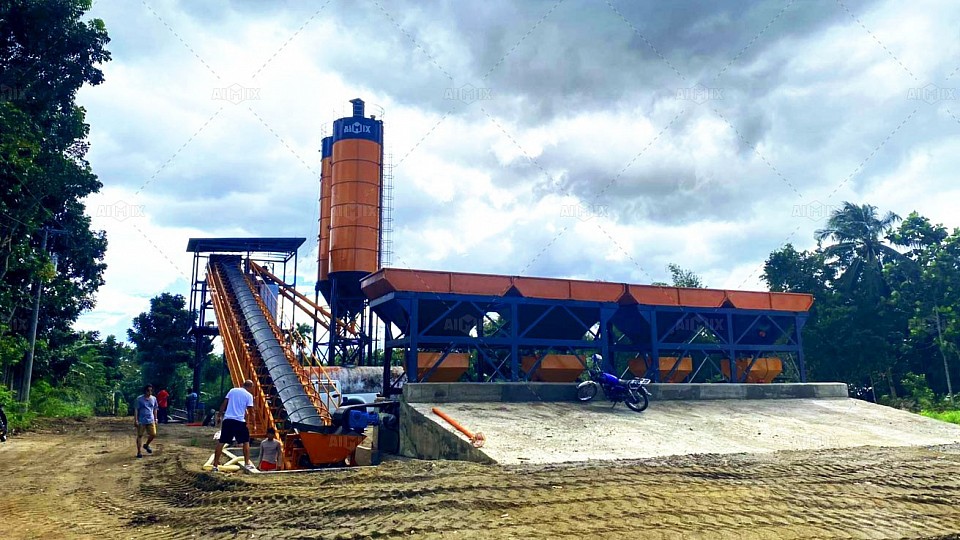
What Is the Difference Between Dry Mix Concrete Plants and Wet Mix Concrete Plants?
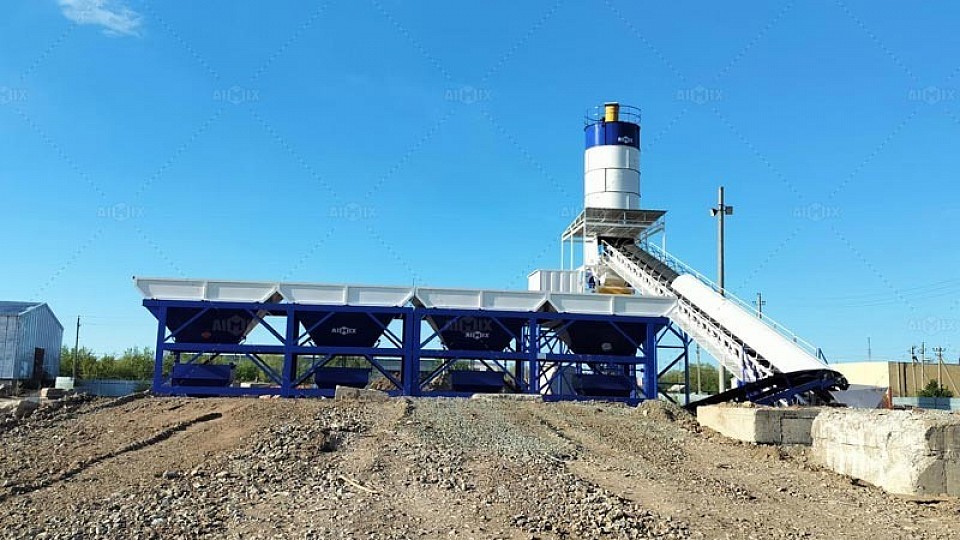
Concrete production is a vital process in construction, and choosing the right type of concrete mixing plant can significantly impact project efficiency and quality. Dry mix and wet mix concrete plants are two common types, each with unique characteristics and applications. This article explores the key differences between these plants and their suitability for various projects, including mini concrete plants.
Understanding Dry Mix Concrete Plants
What Are Dry Mix Concrete Plants?
Dry mix concrete plants(planta hormigonera), also known as transit mix plants, produce concrete by combining dry ingredients like cement, aggregates, and sand. Water is added later, typically at the construction site, during the mixing process.
How Do They Work?
In a dry mix concrete plant:
- Raw materials are measured and mixed without water.
- The dry mixture is loaded into a transit mixer or truck.
- Water is added during transit or at the job site, and the mixer completes the blending process.
Advantages of Dry Mix Concrete Plants
- Portability: These plants are often compact, making them ideal for mobile or mini concrete plants.
- Cost-Effective: They require less equipment and are cheaper to install and maintain.
- Flexibility: Water can be adjusted on-site to suit specific project requirements.
Disadvantages of Dry Mix Concrete Plants
- Inconsistent Quality: On-site mixing can lead to variability in concrete quality.
- Limited Applications: Not suitable for projects requiring high-strength or highly consistent concrete.
Understanding Wet Mix Concrete Plants
What Are Wet Mix Concrete Plants?
Wet mix concrete plants, also called central mix plants, combine all ingredients, including water, at the plant(mini planta de concreto) itself. The mixed concrete is then transported to the site in a ready-mix truck.
How Do They Work?
In a wet mix concrete plant:
- Cement, aggregates, sand, and water are accurately measured and mixed.
- The fully mixed concrete is loaded into a truck for delivery.
- The concrete arrives at the site ready for immediate use.
Advantages of Wet Mix Concrete Plants
- Consistent Quality: Centralized mixing ensures uniform concrete quality.
- Time-Saving: Ready-mixed concrete reduces on-site preparation time.
- Suitable for Large Projects: Ideal for high-volume or high-strength concrete needs.
Disadvantages of Wet Mix Concrete Plants
- Higher Initial Costs: These plants require more equipment and infrastructure.
- Limited Mobility: Larger and less portable than dry mix plants, making them less suitable for mini concrete plant setups.
Key Differences Between Dry Mix and Wet Mix Concrete Plants
Mixing Process
- Dry Mix Plants: Combine ingredients without water; mixing is completed at the job site.
- Wet Mix Plants: Mix all ingredients, including water, at the plant itself.
Concrete Quality
- Dry Mix Plants: Quality can vary depending on on-site mixing conditions.
- Wet Mix Plants: Offer consistent and high-quality concrete.
Equipment Requirements
- Dry Mix Plants: Require fewer components, making them cost-effective and compact.
- Wet Mix Plants: Involve more complex systems for mixing and delivery.
Applications
- Dry Mix Plants: Suitable for small projects or where mobility is essential, such as mini concrete plants.
- Wet Mix Plants: Best for large-scale or precision projects requiring uniform concrete.
Cost and Maintenance
- Dry Mix Plants: Lower initial and maintenance costs.
- Wet Mix Plants: Higher setup and maintenance expenses but provide better long-term value for large projects.
Choosing the Right Plant for Your Needs
When to Choose a Dry Mix Concrete Plant
- For small-scale projects or temporary construction sites.
- When portability and lower costs are priorities.
- Ideal for mini concrete plant setups in remote areas.
When to Choose a Wet Mix Concrete Plant
- For large-scale or complex projects requiring high-quality concrete.
- When consistent and precise mixing is essential.
- Suitable for urban or industrial construction sites.
Conclusion
Understanding the differences between dry mix and wet mix concrete plants is crucial for selecting the right equipment for your project. Dry mix plants are cost-effective, portable, and ideal for smaller or remote projects, such as those using mini concrete plants. On the other hand, wet mix plants provide consistent, high-quality concrete, making them the preferred choice for large-scale or precision projects.
By evaluating your project’s requirements, budget, and location, you can choose the concrete mixing plant that best meets your needs, ensuring efficiency and quality in your construction endeavors.
Should You Get a Ready Mix Concrete Plant
Delivering high-quality construction projects is essential for any construction company aiming to grow and secure more contracts. Among the key factors in ensuring durable and reliable buildings is the quality of materials used, with concrete being one of the most critical. Instead of purchasing concrete from third-party suppliers, why not consider producing your own with a ready mix concrete plant?
This article will delve into the benefits of owning a ready mix concrete plant(planta de concreto premezclado en venta) and how it can enhance your construction projects.
The Importance of Concrete in Construction
Concrete forms the backbone of construction projects, providing the structural integrity needed for buildings, roads, and other infrastructure. Traditionally, companies relied on suppliers for concrete, but advancements in technology now enable construction firms to produce high-quality concrete in-house.
Key Benefits of a Ready Mix Concrete Plant
Consistency in Quality
Maintaining consistent quality in concrete production is challenging when done manually. Variables such as the ratio of ingredients, water-cement mix, and compressive strength can vary significantly. A ready mix concrete plant automates the process, ensuring precision in every batch. This consistency is crucial for building projects that demand reliability and durability, such as bridges, roads, and industrial facilities.
Enhanced Efficiency
The traditional method of mixing concrete manually is both labor-intensive and time-consuming. A ready mix concrete plant streamlines the process, significantly reducing the time and effort required. Additionally, it minimizes dependency on third-party suppliers, allowing your team to focus on other critical aspects of the project.
Operational Advantages
Instant Availability
One of the standout features of owning a ready mix concrete plant is the ability to produce concrete on demand. Construction schedules are often tight, and delays in concrete delivery can cause costly disruptions. With an in-house plant(planta dosificadora de concreto portatil), you can produce and deliver concrete to the site in under an hour, ensuring your projects remain on track.
Reduced Material Waste
Many ready mix concrete plants come equipped with advanced systems, such as self-loading mixers, that accurately measure and combine materials. This minimizes spillage and reduces material waste, making the entire process more cost-effective and sustainable.
Environmental and Safety Benefits
Eco-Friendly Operations
Manual concrete production can lead to significant environmental pollution due to dust and material wastage. Ready mix concrete plants are designed with sustainability in mind. They minimize dust and spillage, reducing the environmental footprint of your operations while keeping the surrounding area clean.
Improved Worker Safety
Dust and debris from manual concrete production pose serious health risks, including respiratory issues and eye irritation. Ready mix concrete plants automate the process, keeping workers safe from exposure to harmful particles and creating a healthier working environment.
Applications in the Construction Industry
Infrastructure Projects
Ready mix concrete plants are ideal for large-scale projects such as highways, bridges, and tunnels, where consistent and high-quality concrete is essential for structural stability.
Commercial and Industrial Developments
From foundation slabs to reinforced walls, ready mix concrete plants provide the versatility needed for various commercial and industrial applications, ensuring long-lasting results.
Investing in the Right Plant
Assessing Your Needs
Before purchasing a ready mix concrete plant, evaluate your project requirements, such as the volume of concrete needed and the type of projects you typically undertake.
Comparing Options
Research different manufacturers and compare their offerings based on features, capacity, and cost. Ensure the plant you choose aligns with your budget and operational goals.
Conclusion
Investing in a ready mix concrete plant can revolutionize your construction operations. It ensures consistent quality, boosts efficiency, reduces costs, and enhances sustainability. Whether you’re working on infrastructure, commercial developments, or industrial projects, owning a ready mix concrete plant positions your company for success in the competitive construction industry.
Take the step today and experience the advantages of in-house concrete production.
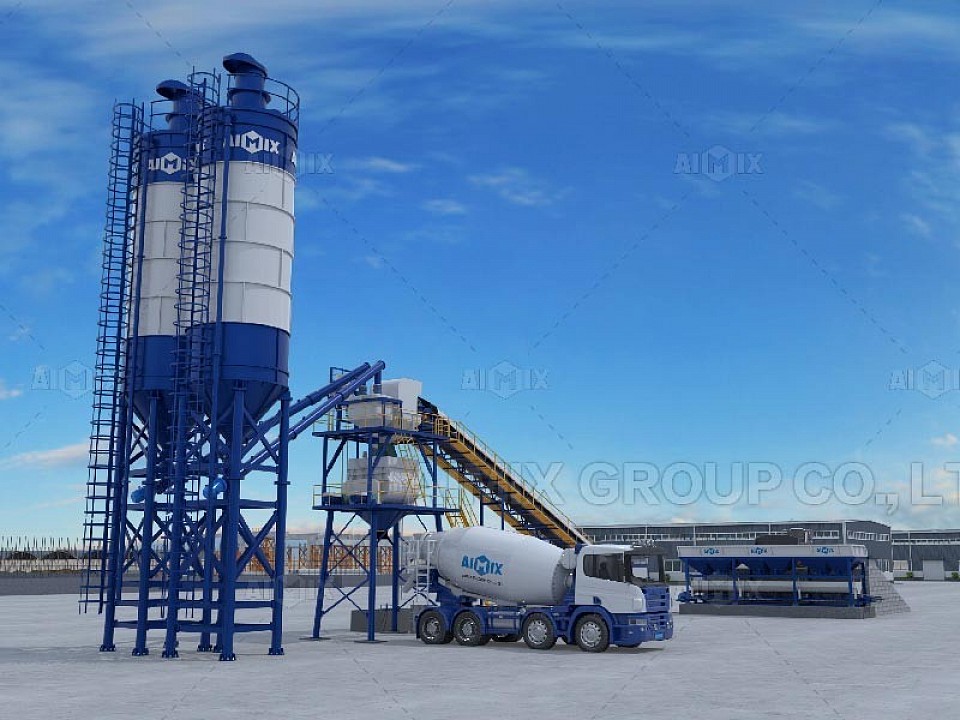
Why You Need a Ready Mix Concrete Plant for Industrial Jobs
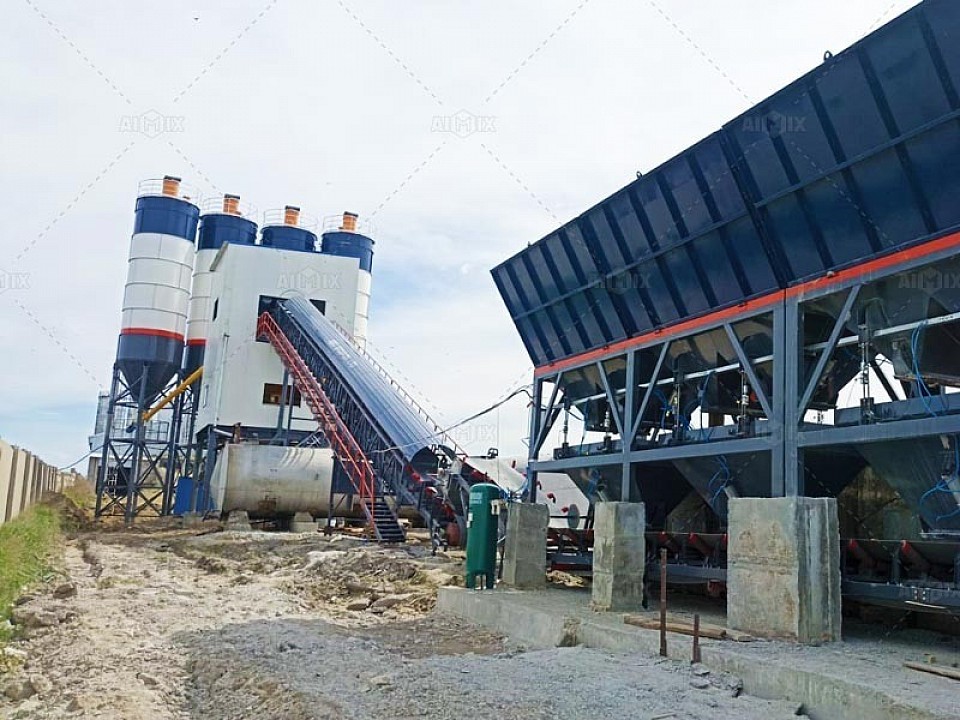
Concrete is one of the most widely used materials in the construction industry, especially in industrial projects where durability and precision are key. Among the various types of concrete available, ready mix concrete stands out for its convenience, consistency, and efficiency. For contractors and construction companies, investing in a ready mix concrete plant can be a game-changer. In this article, we will explore why a ready mix concrete plant is a smart investment, particularly for industrial jobs, and how it can improve both operational efficiency and project outcomes.
The Value of Ready Mix Concrete
Before diving into the reasons to invest in a ready mix concrete plant(planta concreto premezclado en venta), it's essential to understand what makes ready mix concrete so valuable. Ready mix concrete is a pre-mixed, high-quality form of concrete that is prepared in a controlled factory environment. This type of concrete is typically delivered to the job site in its liquid form, which makes it ideal for immediate use in construction projects that require large volumes of concrete.
Benefits of Ready Mix Concrete
- Consistency: Ready mix concrete is produced with precise measurements, ensuring that each batch meets the same quality standards.
- Time-Efficient: Since it is prepared off-site, contractors can save time on mixing materials at the job site, allowing projects to progress faster.
- Reduced Waste: The ability to mix concrete on demand means less material waste, resulting in cost savings.
Why Invest in a Ready Mix Concrete Plant?
For companies that specialize in industrial construction, the need for high volumes of concrete on a regular basis is a constant factor. Many smaller contractors choose to source ready mix concrete from third-party suppliers, but as a company grows, the need for greater control over concrete production becomes more apparent. Below are some of the primary reasons why investing in a ready mix concrete plant in AIMIX Henan Group Co., Ltd can be highly beneficial.
1. Cost Savings
One of the most significant advantages of owning a ready mix concrete plant is the potential for long-term cost savings. By producing your own concrete, you eliminate the need for middlemen and third-party suppliers, which reduces costs associated with purchasing pre-mixed concrete. Additionally, you can avoid the transportation fees that come with having ready mix delivered to your site. Owning the plant also allows for better control over inventory and material usage, further optimizing costs.
2. Increased Control Over Production
When you invest in your own ready mix concrete plant, you gain complete control over the production process. You can adjust the amount of concrete produced based on the needs of each project. This flexibility ensures that you always have the right amount of concrete on hand, without the risk of delays due to shortages or errors in ordering from suppliers. Quality control also improves, as you can monitor the mix and ensure that it meets the specific standards of your project.
3. Ideal for Large-Scale Industrial Projects
Industrial projects often require vast amounts of concrete, whether you're building bridges, roadways, large buildings, or other expansive structures. Ready mix concrete is ideal for such large-scale applications because it can be produced in bulk and delivered to the site in consistent, high-quality batches. A ready mix concrete plant allows contractors to meet the demands of these industrial projects without relying on external suppliers who may not be able to provide the volume required.
4. Enhanced Project Efficiency
Ready mix concrete plants streamline the concrete production process, ensuring that projects move forward without unnecessary delays. Since the concrete is mixed and prepared in a controlled environment, there is less room for human error. Furthermore, having a plant on-site or nearby ensures that you can get the concrete exactly when you need it, reducing downtime and allowing for more efficient project management.
How to Use Ready Mix Concrete Plants for Industrial Jobs
1. Construction of Buildings and Infrastructure
Industrial projects like large-scale buildings, highways, and bridges require durable materials, and ready mix concrete is the perfect solution. The plant allows contractors to produce concrete that is specific to the project's requirements, whether it’s strength, durability, or workability. Custom mixes can be created to meet the engineering specifications of the project.
2. Flexibility for Multiple Projects
For contractors handling several industrial projects at once, owning a ready mix concrete plant offers great flexibility. You can allocate resources based on the priority and demands of each job. Volumetric ready mix plants can be especially useful when smaller batches are needed for repairs or finishing touches on a project.
3. Environmental Impact
Using a ready mix concrete plant can also help reduce the environmental impact of construction projects. By optimizing the production process and minimizing material waste, companies can significantly lower their carbon footprint. Additionally, some modern ready mix plants come equipped with technology designed to reduce emissions and manage waste more effectively.
Finding the Right Ready Mix Concrete Plant Manufacturer
If you're considering purchasing a ready mix concrete plant, finding the right manufacturer is critical. Start by researching companies that specialize in the production of concrete plants. Look for manufacturers with experience in building reliable, high-capacity plants that meet your needs. Additionally, consider factors such as after-sales service, maintenance support, and the availability of spare parts when choosing a manufacturer.
Conclusion
Investing in a ready mix concrete plant offers numerous advantages, especially for companies involved in large industrial projects. From cost savings and increased control over production to enhanced project efficiency, owning a concrete plant can set your business apart from competitors. With the ability to produce high-quality ready mix concrete on demand, you can ensure that your projects are completed on time and to the highest standards.
Choosing the Best Mobile Concrete Plant Design
Selecting the right mobile concrete plant is essential for improving efficiency and saving time on job sites. With a wide range of products available, including drum mixers and volumetric mixers, making the right choice can be daunting. This guide will help you navigate the decision-making process by focusing on key aspects like capacity, suitability for your needs, costs, and long-term value.
Types of Mobile Concrete Mixers
When selecting a mobile concrete plant(planta móvil de concreto de AIMIX), understanding the types of mixers and their capacities is critical. Different mixers have varying capacities, which can significantly impact your project's efficiency and outcomes.
1. Drum Mixers
Drum mixers are popular for their simple design and ease of operation. They can handle large volumes of concrete, making them ideal for bigger construction sites. If your projects require a significant amount of concrete production, a drum mixer might be the right fit. However, they may not be as flexible when it comes to producing different concrete mixes in smaller quantities.
2. Volumetric Mixers
Volumetric mixers, on the other hand, offer more flexibility as they allow precise control over the concrete mix. They are perfect for projects that require frequent adjustments in concrete composition. If you are working on varied projects, including both small and large jobs, this type of mixer can cater to different needs with more precision.
Assessing Mixer Capacity for Your Projects
When evaluating mobile concrete plant designs, capacity is a key factor. The right capacity ensures that you can meet the demands of your specific projects without delay. A mixer that is too small may slow down work, while an overly large one could result in wastage.
1. Project Size Considerations
If you are regularly working on large-scale construction projects, such as road construction or large foundations, a mixer with a higher capacity will likely be more efficient. Conversely, for smaller, more specialized projects like residential foundations or smaller bridge structures, a mixer with a lower capacity could provide better value and reduce material waste.
2. Future Growth and Project Scope
As your business expands, so might your project scope. Consider purchasing a mobile concrete plant that not only meets your current requirements but also allows room for growth. Investing in a slightly larger capacity now could help you avoid the cost and hassle of upgrading equipment in the future.
Understanding Your Project Needs
Once you've considered the types and capacities of available mixers, it's essential to assess your specific needs. This involves understanding the type of jobs you'll be handling and the demands of those jobs.
1. Job Site Variability
Consider the variety of job sites you’ll encounter. Are you working in remote locations where transporting concrete from a stationary ready mix plant(planta de concreto premezclado) is impractical? In such cases, a highly mobile mixer with efficient transport capabilities is ideal. It can save time and reduce logistical challenges, ensuring you have fresh concrete on-site when needed.
2. Concrete Demand
How much concrete will you need daily? Projects with high concrete demands, like large commercial or infrastructure builds, require a mobile plant that can keep up with production rates. Choosing the right mixer will ensure that concrete is always available when required, preventing downtime and project delays.
Budget Considerations
Cost is often a deciding factor when purchasing a mobile concrete plant. Mobile mixers range widely in price, depending on their design, capacity, and functionality.
1. Immediate vs. Long-Term Costs
While some mixers may have a lower upfront cost, it’s essential to consider their long-term value. A cheaper mixer may require more maintenance or could be less efficient in the long run, costing you more over time. Conversely, a slightly more expensive, higher-quality mixer might save you money by reducing downtime, increasing efficiency, and requiring less frequent repairs.
2. Purchasing from Overseas
For companies with budget constraints, exploring overseas vendors may provide more affordable options without sacrificing quality. Many companies in countries like China offer high-quality mobile batching plants at competitive prices. However, it's important to research the vendor's reputation, shipping costs, and the availability of parts and service in your location.
Long-Term Value and Efficiency
Choosing a mobile concrete plant design that offers long-term value is crucial for ensuring your investment pays off. While the initial price tag is important, the overall cost of ownership, including maintenance, operational efficiency, and lifespan, should also be factored in.
1. Durability and Maintenance
Look for a mixer made from high-quality materials that can withstand heavy use. Stainless steel components are preferable for durability and resistance to corrosion, especially in harsh environments. Additionally, consider the availability of replacement parts and ease of maintenance. A plant that’s easy to service can reduce downtime and keep projects on schedule.
2. Operational Efficiency
The right design can make concrete production more efficient, saving time and reducing costs. A mobile plant that is easy to transport and set up can help you meet tight deadlines without compromising on the quality of the concrete produced. Efficiency in operation not only ensures timely project completion but also reduces labor costs and material wastage.
Conclusion
Selecting the best mobile concrete plant design involves more than just picking a mixer that fits within your budget. By carefully considering factors such as mixer capacity, project requirements, long-term costs, and operational efficiency, you can make a decision that benefits your business for years to come. Whether you’re working on large-scale infrastructure projects or smaller, more specialized builds, the right mobile concrete plant will ensure you meet deadlines and deliver high-quality concrete every time.
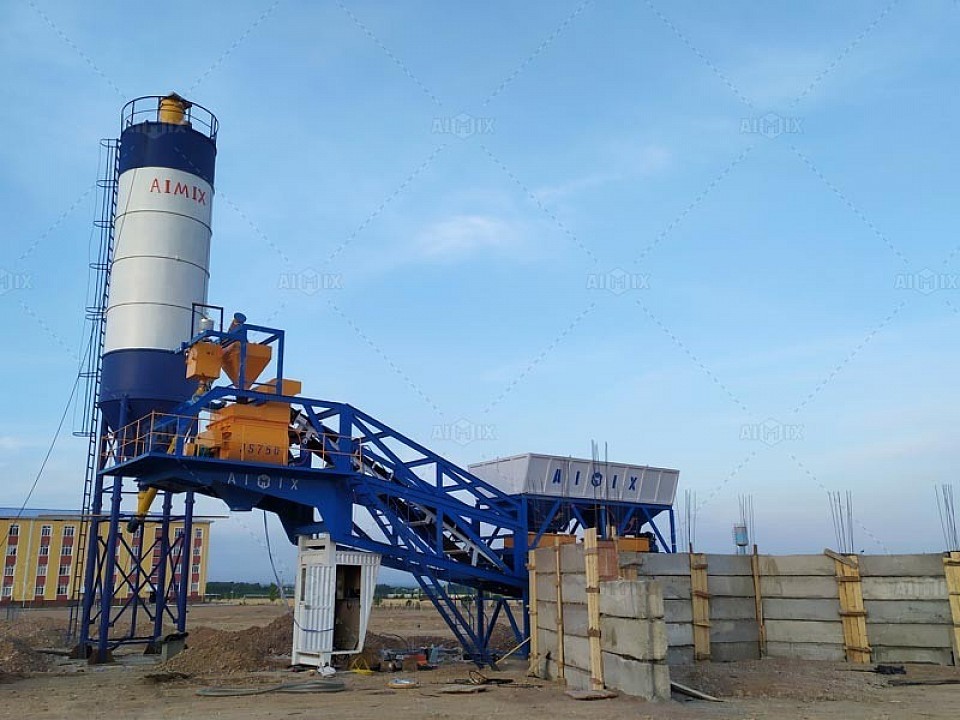
Maximizing Efficiency with a Mobile Concrete Plant: Best Practices
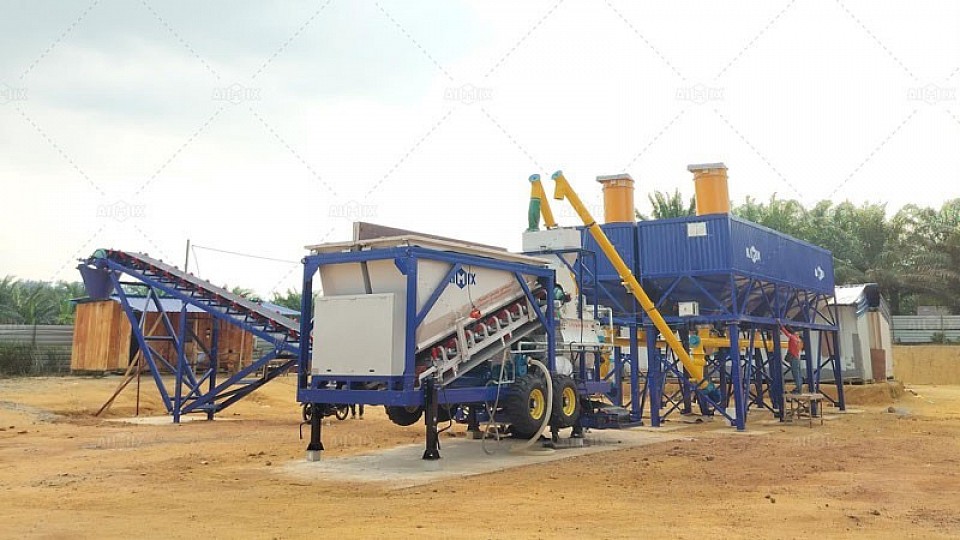
Using a mobile concrete plant can greatly enhance the efficiency and flexibility of construction projects, especially in remote or hard-to-reach locations. These versatile machines are designed to produce and deliver concrete on-site, minimizing transportation costs and ensuring that fresh concrete is available whenever needed. However, to get the most out of a mobile concrete plant, it’s essential to understand how to operate it effectively. This article outlines the best methods for utilizing a mobile concrete plant(planta de concreto móvil), covering everything from selecting the right equipment to optimizing production processes.
Understanding Mobile Concrete Plants
What Are Mobile Concrete Plants?
Mobile concrete plants are compact, transportable units that allow for the on-site production of concrete. These plants typically include storage bins for raw materials, a mixer to combine these materials, and a system to deliver the finished concrete to where it’s needed. The mobility of these plants makes them ideal for projects in remote areas where access to ready-mix concrete is limited or non-existent.
Key Features of Mobile Concrete Plants
- Portability: The primary feature of mobile concrete plants is their ability to be easily transported to different job sites. This flexibility is crucial in the construction industry, where projects often span various locations.
- Automated Mixing: Most mobile concrete plants are equipped with automated systems that ensure consistent mixing of materials, leading to uniform concrete quality. This automation reduces the need for manual intervention and speeds up the production process.
- On-Demand Production: Mobile concrete plants enable on-demand production of concrete, which means that you can produce only the amount needed for a particular job. This reduces waste and ensures that the concrete used is always fresh.
Best Practices for Utilizing a Mobile Concrete Plant
Selecting the Right Mobile Concrete Plant
Choosing the appropriate mobile concrete plant for your needs is the first step toward maximizing efficiency. The type of plant(tipos de plantas) you choose will depend on the scale of your operations, the types of projects you typically undertake, and your specific requirements for concrete production.
- Assess Production Needs: Determine the volume of concrete you need to produce daily. If you have large-scale projects, a plant with a higher production capacity will be necessary.
- Consider the Mobility Requirements: Depending on how frequently you move between job sites, you may need a plant that is easier to transport. Look for models with a low-profile design and robust construction that can withstand frequent relocations.
- Evaluate Automation Features: The level of automation in a mobile concrete plant can significantly impact your operational efficiency. Choose a plant with advanced automation systems that can handle material mixing, quality control, and delivery with minimal manual oversight.
Optimizing Concrete Production
Once you have selected the right mobile concrete plant, the next step is to optimize the production process to ensure consistent quality and efficiency.
- Prepare Materials in Advance: Before beginning production, ensure that all necessary materials—such as cement, aggregate, sand, and additives—are readily available and properly stored. This preparation helps prevent delays and keeps the production process running smoothly.
- Maintain Consistent Mix Ratios: Consistency is key in concrete production. Ensure that the mix ratios of raw materials are adhered to strictly according to the project specifications. Automated systems can help in maintaining these ratios accurately.
- Monitor Energy and Fuel Usage: Depending on whether your plant is powered by electricity or diesel, it’s crucial to monitor energy consumption closely. Efficient energy use not only reduces operational costs but also minimizes the environmental impact of your operations.
Enhancing Efficiency on the Job Site
Effective utilization of a mobile concrete plant goes beyond just producing concrete. It also involves integrating the plant’s operations seamlessly into the overall workflow of the construction site.
- Strategic Placement of the Plant: Position the mobile concrete plant as close to the pouring site as possible. This reduces the distance the concrete needs to be transported, saving time and reducing the risk of the concrete setting before it reaches its destination.
- Regular Maintenance and Inspections: Routine maintenance of the mobile concrete plant is essential to prevent breakdowns and ensure continuous operation. Regularly check the mixer, storage bins, and delivery system for any signs of wear or malfunction.
- Training for Operators: Ensure that all operators are adequately trained in using the mobile concrete plant. This includes understanding the automation features, troubleshooting common issues, and following safety protocols.
Conclusion
Utilizing a mobile concrete plant effectively requires careful planning, from selecting the right equipment to optimizing production processes and ensuring seamless integration on the job site. By following these best practices, construction companies can maximize the efficiency and profitability of their operations. With the ability to produce high-quality concrete on demand, mobile concrete plants are a valuable asset for any construction project, particularly those in remote or challenging environments. By investing in the right plant and implementing efficient operating practices, you can ensure that your mobile concrete plant becomes a cornerstone of your construction success.
Why the Mobile Concrete Batch Plant is So Popular
The mobile concrete batch plant has become an indispensable tool for many construction contractors, offering significant advantages over traditional stationary plants. This article explores the reasons behind its popularity and the benefits it provides in modern construction projects.
Types of Mobile Concrete Batch Plants
Before diving into why the mobile concrete batch plant(la planta dosificadora móvil de concreto) is popular, it's essential to understand its different types:
Trailer Type
The trailer type mobile concrete batch plant has a chassis with rear wheels and is towed by a vehicle.
Traction Type
The traction type mobile concrete batch plant is mounted on a chassis with both front and rear axles for self-propulsion.
Benefits of the Mobile Concrete Batch Plant
Flexibility and Ease of Transport
The mobile concrete batch plant features a compact, modular design mounted on a movable chassis, allowing easy relocation from one site to another. This mobility eliminates the need for multiple trucks and heavy lifting equipment required by stationary plants, making it cost-effective and convenient for transportation.
Quick Assembly and Disassembly
One of the standout benefits of the mobile concrete batch plant in Aimix Group is its rapid assembly and disassembly. With its components pre-mounted on a movable chassis, it only requires a flat, stable surface for setup. In contrast, stationary plants necessitate a solid foundation for installation, making disassembly and transport more cumbersome and time-consuming.
Small Footprint
The compact size of the mobile concrete batch plant makes it ideal for urban and space-constrained environments. It finds extensive use in domestic construction, bridge and tunnel projects, airport constructions, and more, offering versatility in various construction applications.
Convenience and Automation
Equipped with advanced computer technology and a user-friendly design, the mobile concrete batch plant operates with a high level of automation. Some models even feature remote control capabilities, simplifying operation and ensuring safety. This automation reduces the manual labor required to operate the plant, making it efficient and easy to use.
Conclusion
The popularity of the mobile concrete batch plant stems from its ability to offer flexibility, ease of transport, quick setup, and automation advantages over traditional stationary plants. Its compact size and advanced features make it a preferred choice for modern construction projects where efficiency and mobility are paramount.
Understanding the benefits and capabilities of the mobile concrete batch plant is crucial for construction companies seeking to optimize their operations and adapt to evolving project requirements in urban and remote settings.
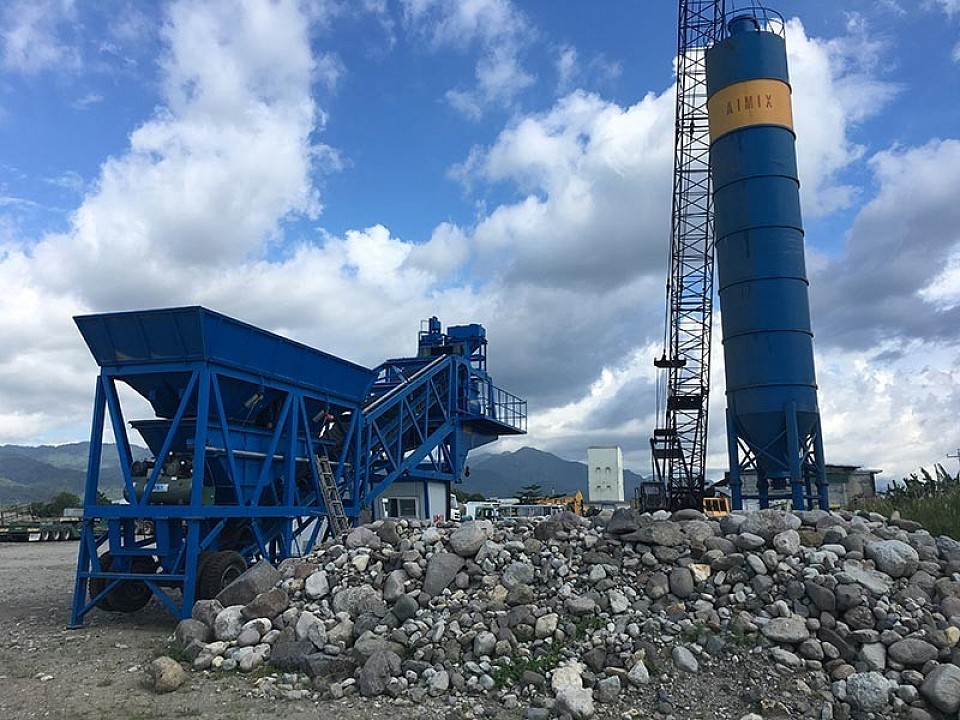
Formas de plantas de concreto premezclado
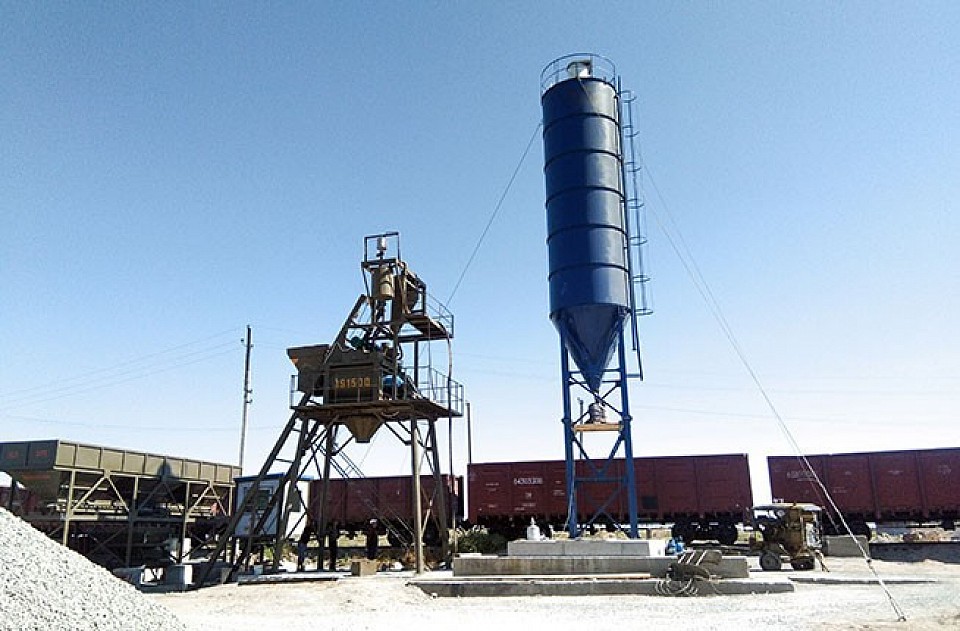
El hormigón se utiliza en una variedad de proyectos de construcción debido a su naturaleza duradera una vez que está completamente curado. El hormigón también tiende a ser una opción más asequible en comparación con otros materiales de construcción. Se puede utilizar en la construcción de carreteras, edificios y una variedad de otras estructuras amplias y resistentes. Para obtener el mejor resultado y cumplir con estrictos reglamentos y códigos de construcción, se prefiere el concreto premezclado a otras mezclas de concreto.
¿Qué es el hormigón premezclado?
Para comprender los diferentes tipos de plantas de concreto premezclado disponibles en el mercado, es esencial comenzar por definir el concreto premezclado. El término concreto premezclado se refiere al concreto que se elabora utilizando una mezcla de ingeniería específica en una planta de fabricación antes de ser entregado a un sitio de construcción. El hormigón premezclado generalmente se requiere para los proyectos de construcción más extensos y exigentes.
Dado que el proceso de premezclado se basa en una proporción muy precisa de materiales, donde la arena, la grava, el cemento y el agua se miden en peso antes de agregarlos a la planta de concreto para su mezcla, también se puede utilizar para formular mezclas de concreto altamente especializadas para aplicaciones especiales. proyectos.
Tipos de plantas de concreto premezclado
Ahora que sabe qué es el concreto premezclado, aquí encontrará una descripción detallada de los distintos tipos de plantas de concreto premezclado disponibles de AIMIX Grupo.
- Planta dosificadora de premezclado centralizada/estacionaria
Como se mencionó anteriormente, el concreto premezclado generalmente se produce en lotes dentro de una instalación de fabricación. Estas plantas generalmente constan de diferentes contenedores para los diferentes materiales utilizados en la fabricación de la mezcla de concreto, incluida grava, arena, cemento y agua. Para garantizar que estos materiales se agreguen al mezclador en las proporciones correctas, se construye un mecanismo de pesaje en la configuración.
Producción de alto volumen
Dado que las plantas estacionarias de concreto premezclado contienen enormes volúmenes de material y generan volúmenes igualmente grandes de concreto en un corto período de tiempo, son las más adecuadas para aplicaciones masivas. Este tipo de planta es ideal para proyectos de construcción a gran escala, como edificios de gran altura, sistemas de carreteras extensos y otros proyectos de infraestructura donde se requiere un volumen alto y constante de concreto.
- Mezcladoras premezcladas en tránsito
Estas hormigoneras montadas en camiones se utilizan a menudo para transportar el hormigón premezclado, generalmente en forma plástica, desde una enorme planta estacionaria de premezclado hasta sitios de construcción a kilómetros de distancia.
Versatilidad y movilidad
Las mezcladoras en tránsito son muy versátiles y móviles, lo que las convierte en un componente esencial en la entrega de concreto premezclado a diversos lugares. Estas mezcladoras aseguran que el hormigón permanezca en su estado plástico, evitando que fragüe prematuramente durante el transporte.
- Planta de premezclado móvil/volumétrica
En los casos en los que el uso de plantas de premezclado en tránsito se considera poco práctico o antieconómico, como cuando el sitio de construcción está demasiado lejos, una planta de premezclado móvil/volumétrica puede resultar invaluable.
Mezcla en el sitio
Capaces de ser trasladadas de un sitio a otro en un camión, estas plantas están diseñadas para contener diversas cantidades de los materiales utilizados en la elaboración de la mezcla preparada, incluida arena, grava, cemento y agua, entre otros, y mezclarlos en el lugar. Como versiones más pequeñas de la planta estacionaria de premezclado, se utilizan para mezclar volúmenes más pequeños de premezclado según sea necesario.
- Personalización y flexibilidad
Las plantas móviles/volumétricas ofrecen personalización y flexibilidad para proyectos con requisitos únicos o aquellos ubicados en áreas remotas. Se pueden ajustar para mezclar tipos específicos de concreto según las necesidades del proyecto, lo que garantiza que se cumplan las especificaciones exactas sin los desafíos logísticos del transporte de concreto a largas distancias.
Importancia del Concreto Premezclado en la Industria de la Construcción
El concreto premezclado debe fabricarse de acuerdo con las especificaciones de una mezcla de ingeniería de alta precisión para garantizar el mejor resultado. Para garantizar que se cumplan estas especificaciones, independientemente de la ubicación o los requisitos únicos del proyecto de construcción en cuestión, se deben utilizar diferentes tipos de plantas de premezclado.
- Cumplir con los estándares de construcción
En la industria de la construcción, cumplir con normas y reglamentos estrictos es fundamental para la seguridad y la longevidad de las estructuras. Las plantas de concreto premezclado desempeñan un papel vital en el logro de estos estándares al proporcionar un suministro constante y confiable de concreto de alta calidad.
- Mejora de la eficiencia del proyecto
Elegir el tipo correcto de planta de concreto premezclado en función de los detalles de cualquier proyecto puede mejorar significativamente la eficiencia del mismo. La disponibilidad de varios tipos de plantas garantiza que los proyectos de construcción, ya sean grandes o pequeños, urbanos o remotos, puedan acceder al hormigón que necesitan de la manera más eficiente y rentable.
Conclusión
El hormigón premezclado es esencial en la industria de la construcción por su durabilidad, rentabilidad y capacidad para cumplir con estrictos estándares de construcción. Al comprender los diferentes tipos de plantas de concreto premezclado (centralizadas/estacionarias, en tránsito y móviles/volumétricas), los profesionales de la construcción pueden seleccionar la planta más adecuada para sus necesidades específicas. Esto garantiza la finalización exitosa de proyectos con materiales de la más alta calidad y, en última instancia, contribuye a la resistencia y confiabilidad de las estructuras construidas.
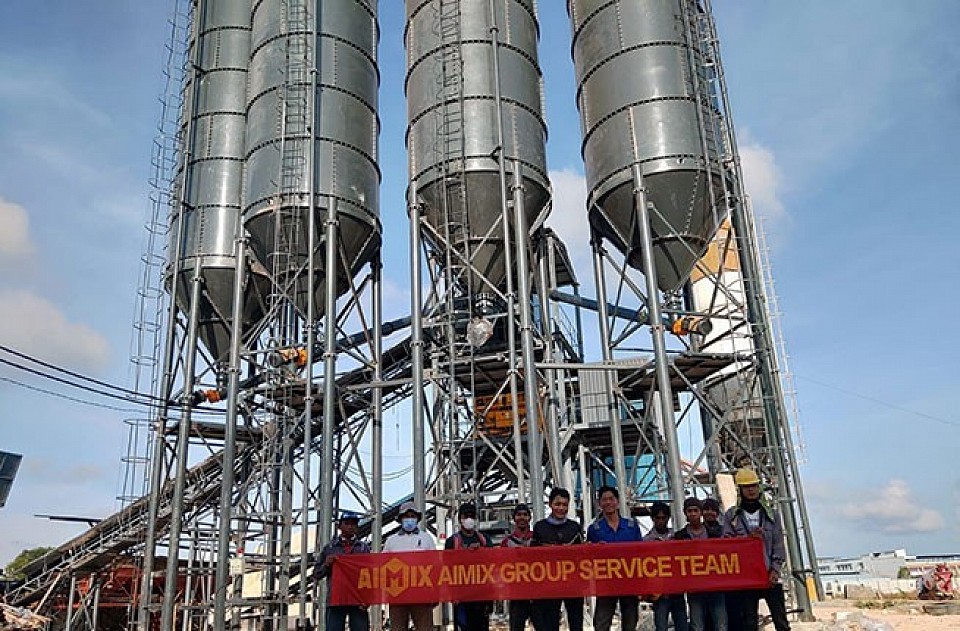
Guide to Finding High-Quality Ready Mix Concrete Plants Online
In the fast-paced world of construction, ready mix concrete plays a pivotal role in ensuring timely and efficient project completion. Sourcing high-quality ready mix concrete plants is crucial for businesses aiming to enhance their operational efficiency and project outcomes. This guide explores how to find reliable ready mix concrete plant companies online, ensuring you get the best equipment for your needs.
Identifying Reputable Suppliers
- Focus on Manufacturer Reputation
The cornerstone of finding reliable equipment is to look for suppliers with a strong market presence, an extensive portfolio of successful projects, and a history of customer satisfaction. Opting for direct manufacturers over third-party vendors can yield better pricing, superior warranties, and access to skilled maintenance services.
Key Points to Consider:
- Manufacturer's industry experience
- Customer testimonials and reviews
- After-sales support and warranty conditions
- Utilize Search Engines and Industrial Directories
Leveraging search engines and global business directories effectively can streamline your search process. Platforms like Google or specific industrial marketplaces provide a wealth of information and facilitate direct comparisons between suppliers.
Conducting Thorough Research
- Comparative Analysis
Using platforms like Alibaba allows for an efficient comparison of different ready mix concrete plants(diferentes plantas de concreto premezclado). Their comparison tool can help you quickly assess features, capabilities, and prices across multiple suppliers, enabling informed decision-making.
Steps for Comparison:
- Select desired products.
- Generate a comparison table.
- Evaluate based on your requirements and specifications.
- Evaluating Seller Reliability
Platforms like Alibaba also offer insights into a seller's reliability through customer feedback and seller ratings. Prioritizing suppliers with high ratings and positive reviews can significantly reduce risks associated with purchasing subpar equipment.
Evaluation Criteria:
- Seller ratings
- Customer reviews
- Response rate and communication
Finalizing Your Decision
- Requesting Quotes
Obtaining quotes from multiple suppliers is essential for understanding the market landscape. It allows you to gauge not just the price but also what additional value or services each supplier may offer.
Considerations When Requesting Quotes:
- Price breakdowns
- Additional services (e.g., training, maintenance)
- Delivery terms and timelines
- Assessing Value-Added Services
Beyond the initial purchase, consider what other benefits a supplier may provide, such as operator training or complimentary maintenance services. These extras can significantly influence the total value of your investment.
Conclusion
Finding a high-quality ready mix concrete plant(plantas de hormigón elaborado) requires diligent research, careful considerate a comparative analysis of your options. By leveraging online tools and platforms, you can simplify the selection process and ensure that you choose a reliable supplier that meets your construction industry needs. Remember, the goal is not just to purchase equipment but to invest in a solution that enhances your operational capacity and project success.